

FTAI Aviation Ltd. stock has been trading up by 15.54 percent following upbeat coverage highlighting its strong aerospace leasing growth.
Key Takeaways
- Multi‑year engine Maintenance, Repair and Exchange deal with United Airlines deepens FTAI Aviation’s CFM56‑7B exposure and expands an existing V2500 relationship.
- Macquarie launched coverage with an Outperform rating and a $305 price target, adding to a strong Street Buy consensus on FTAI Aviation.
- Morgan Stanley and RBC trimmed price targets but kept positive ratings, signaling still‑constructive views on FTAI despite valuation resets.
- Citizens reiterated Outperform, nudged 2027 EBITDA forecasts higher, and kept a $375 target, blaming prior share weakness on sector sentiment.
- Shares recently spiked 7.3% to $169.53 in one session, showcasing powerful near‑term momentum in FTAI trading.
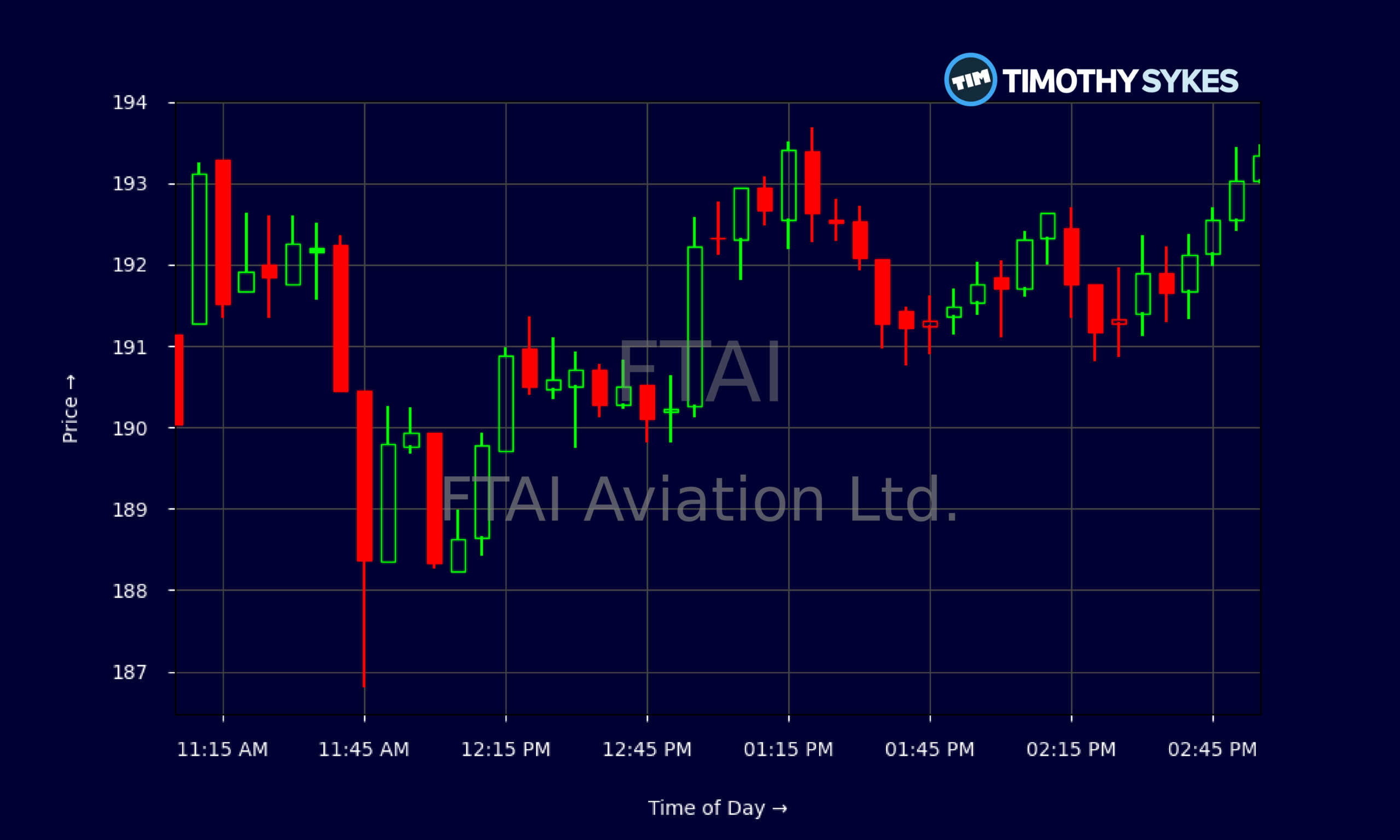
Live Update At 15:02:01 EDT: On Thursday, October 29, 2026 FTAI Aviation Ltd. stock [NASDAQ: FTAI] is trending up by 15.54%! Discover the key drivers behind this movement as well as our expert analysis in the detailed breakdown below.
Quick Financial Overview
FTAI Aviation has been trading like a momentum machine. Over the last several sessions, the stock ripped from the mid‑$150s to above $190, closing the latest day near $193 after tagging an intraday high around $193.67. For active traders, that’s a sharp, stair‑step uptrend with shallow pullbacks and strong dip buying.
Intraday, FTAI’s 5‑minute chart shows steady higher lows from the mid‑$180s into the $190s, with only brief shakeouts near $187–$188 before buyers stepped back in. That intraday resilience often signals aggressive short‑term traders leaning long and shorts getting squeezed.
Fundamentally, FTAI Aviation is not a tiny story stock. Revenue runs near $2.51B annually with roughly 42% three‑year growth and over 56% growth over five years. Gross margin sits around 85.5%, while EBITDA margin is over 31%, showing a capital‑intensive business that still throws off serious operating profit.
More Breaking News
The flip side: leverage is heavy. Total debt‑to‑equity is above 8x and price‑to‑book screams premium at more than 40x. A roughly 37x price‑to‑earnings ratio means FTAI trading already bakes in a strong growth story. Momentum is clear, but this is not a cheap balance‑sheet play.
Why Traders Are Watching FTAI Aviation Now
FTAI Aviation has given traders a classic catalyst‑plus‑momentum setup. The core story right now is its multi‑year Maintenance, Repair and Exchange agreement with United Airlines. This deal covers CFM56‑7B engines on United’s 737 NG fleet and extends an existing V2500 exchange relationship. In plain English, FTAI will supply ready‑to‑use engines before United pulls aircraft from service and will take the worn‑out units into its own inventory.
For FTAI Aviation, that means recurring engine‑leasing and MRO activity with one of the biggest carriers on the planet. It also builds a steady pipeline of unserviceable engines as feedstock for FTAI’s maintenance network. Traders should read that as improved revenue visibility and better utilization of FTAI’s engine portfolio over time, not just a one‑off headline.
Layered on top is a wall of Street support. Macquarie just initiated FTAI with an Outperform rating and a $305 target, while another note from the same shop grouped FTAI Aviation with other defense and space names expected to benefit from a multi‑year upcycle in global spending and next‑gen tech. Citizens reiterated its Outperform, raised its 2027 EBITDA forecast, and stuck with a $375 target, arguing the earlier pullback was tied to sentiment around AI power‑infrastructure names, not FTAI‑specific problems.
Even the “negative” news isn’t truly bearish. Morgan Stanley trimmed its target from $360 to $310 but kept an Overweight call. RBC cut from $300 to $250 and stayed at Outperform. Those are valuation resets, not abandon‑ship downgrades. When price targets come down but ratings remain positive, it usually signals that analysts still like the risk/reward; they’re just dialing back overly aggressive upside from earlier in the cycle.
Add in that 7.3% pop to $169.53 in a single recent session and traders can see why FTAI has become a go‑to ticker for momentum and news‑driven setups.
Conclusion
For active traders, FTAI Aviation sits at the sweet spot where strong fundamentals, fresh catalysts, and aggressive price action all collide. The United Airlines Maintenance, Repair and Exchange agreement gives FTAI a long runway of engine‑related cash flows and a growing stock of feedstock for its maintenance operations. That kind of multi‑year pipeline can support the premium valuation the market already assigns to FTAI.
At the same time, FTAI Aviation’s heavy leverage and rich multiples mean this is not a sleepy hold. When momentum fades, pullbacks can be sharp. The recent 7%+ single‑day spike and the grind from the $150s to the $190s show how fast sentiment can flip in FTAI trading. Street research reinforces the bullish tone, with Macquarie, Citizens, Morgan Stanley, and RBC all sitting in the Outperform/Overweight camp even after target cuts.
Traders should also circle the upcoming Q3 2026 earnings release and the in‑person New York meeting on their calendars. Management has flagged those events as chances to lay out strategy and long‑term growth across FTAI Aviation’s segments. That makes them key volatility points where the chart can either confirm the trend or reverse hard.
As Tim Sykes loves to remind his community, “Patterns repeat, but only for traders who are prepared and disciplined enough to recognize them and cut losses fast.” As millionaire penny stock trader and teacher Tim Sykes, says, “Small gains add up over time; focus on building wealth gradually, not chasing jackpots.”. With FTAI flashing both strong catalysts and heavy volatility, that mindset is critical. This coverage is for educational and research purposes only and is not investment advice.
This is stock news, not investment advice. Timothy Sykes News delivers real-time stock market news focused on key catalysts driving short-term price movements. Our content is tailored for active traders and investors seeking to capitalize on rapid price fluctuations, particularly in volatile sectors like penny stocks. Readers come to us for detailed coverage on earnings reports, mergers, FDA approvals, new contracts, and unusual trading volumes that can trigger significant short-term price action. Some users utilize our news to explain sudden stock movements, while others rely on it for diligent research into potential investment opportunities.
Dive deeper into the world of trading with Timothy Sykes, renowned for his expertise in penny stocks. Explore his top picks and discover the strategies that have propelled him to success with these articles:
- Penny Stocks Trading Guide
- Best Penny Stocks Under $1 to Buy Today
- Top 8 Penny Stocks to Watch on Robinhood
Once you’ve got some stocks on watch, elevate your trading game with StocksToTrade the ultimate platform for traders. With specialized tools for swing and day trading, StocksToTrade will guide you through the market’s twists and turns.
Dig into StocksToTrade’s watchlists here:





Leave a reply