

Ambev S.A. stocks have been trading down by -2.7 percent amid concerns over weakening beer demand and pressured margins.
Key Takeaways
- Bank of America downgraded Ambev to Underperform from Neutral, flagging growing downside risk for ABEV traders.
- The call keeps a $3.30 price target, signaling limited upside after recent strength in ABEV shares.
- Analysts cited weak operating trends at Ambev and only modest help ahead from lower interest rates.
- The downgrade also highlights a tougher cost backdrop and a premium valuation following ABEV’s roughly 3% post‑election rally in Brazil.
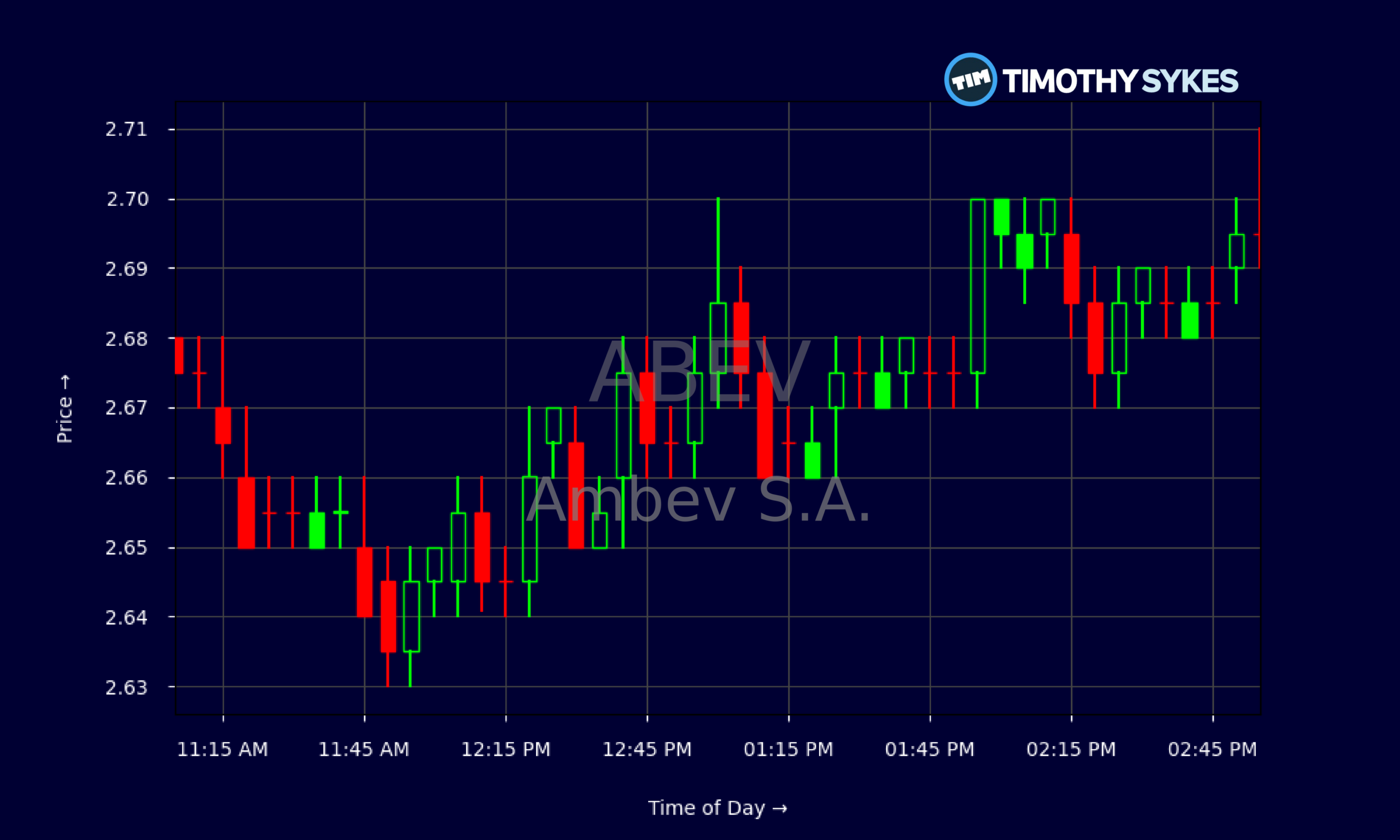
Live Update At 15:02:22 EDT: On Thursday, October 29, 2026 Ambev S.A. stock [NYSE: ABEV] is trending down by -2.7%! Discover the key drivers behind this movement as well as our expert analysis in the detailed breakdown below.
Quick Financial Overview
ABEV has slipped into a clear downtrend over the past several sessions. The stock fell from the $3.30 area earlier in the month to around $2.70 on 2026/10/29, giving back the entire post‑election pop Bank of America highlighted. For short‑term traders, that’s a meaningful reset in sentiment.
On the daily chart, ABEV spent mid‑October grinding between $3.15 and $3.35 before breaking lower this week. The move from a $3.30 close on 2026/10/23 down toward $2.71 now is a sharp slide of roughly 18%, showing sellers firmly in control. Intraday, today’s 5‑minute candles around $2.65–$2.71 show tight, low‑range action, suggesting consolidation after the flush.
More Breaking News
Fundamentally, Ambev’s latest key ratios paint a mixed picture. A price‑to‑earnings ratio near 16.5 and price‑to‑sales near 2.9 keep ABEV far from “deep value” territory, especially for a slower‑growth beverage giant. At the same time, Ambev throws off decent profitability, with a pre‑tax margin around 15.8% and a strong return on capital near 19%. The balance sheet is solid, with long‑term debt of only about $2.2B against total assets above $145B and equity near $88B. That gives ABEV room to weather macro bumps, but it does not guarantee near‑term upside in the share price.
Why Traders Are Watching ABEV After The Downgrade
Traders are zeroed in on ABEV after Bank of America threw cold water on the bullish case. The downgrade to Underperform from Neutral, with the $3.30 price target left unchanged, is a blunt message: Wall Street sees limited upside even after Ambev’s recent pullback. When a major bank says a stock is fully priced despite a slide, active traders pay attention.
Bank of America’s note hits several pressure points at once. First, the firm cites weak operating trends at Ambev, which signals that volume or pricing momentum is not matching the earlier optimism baked into ABEV. Second, analysts expect only limited benefit from lower interest rates, implying that even a friendlier macro backdrop may not rescue near‑term earnings growth.
The cost side matters just as much. A tougher future cost outlook means margin pressure, and for a beer and beverage name like Ambev, raw materials, packaging, and logistics can quickly eat into profits. When you layer that onto what Bank of America calls a premium valuation, the risk/reward looks skewed for anyone blindly buying the dip in ABEV.
Technically, ABEV’s breakdown from the $3.20–$3.30 range into the high‑$2s and now low‑$2.70s confirms that the downgrade landed in a fragile tape. The earlier 3% post‑election rally in Brazil attracted momentum trading, but that move is now fully reversed. For short‑term ABEV traders, the key question becomes whether this new zone around $2.65–$2.75 turns into a base or just a pause before further downside.
Conclusion
For active traders, ABEV is a real‑time lesson in why chasing strength without a plan is dangerous. Ambev enjoyed a clean post‑election pop, sentiment turned optimistic, and then a heavyweight like Bank of America stepped in with an Underperform call, citing weak trends, cost pressure, and a rich valuation. The chart did the rest. ABEV rolled over from above $3.30 and slid toward $2.70, erasing that Brazil rally.
None of this means Ambev is a broken company. The balance sheet looks solid, returns on capital are strong, and ABEV still throws off cash with a modest dividend. But traders live and die by timing. As millionaire penny stock trader and teacher Tim Sykes, says, “It’s not about how much money you make; it’s about how much money you keep.”. Right now the Street is signaling caution, and the price action agrees.
This is where the Sykes‑style playbook comes in. As Tim Sykes loves to remind traders, “The market doesn’t care about your opinion, only your preparation.” For ABEV, that preparation means respecting the downtrend, watching how the stock behaves around this new range, and waiting for clear confirmation—on the chart and in the fundamentals—before taking any aggressive trading stance. This article is for educational and research purposes only and is not investment advice.
This is stock news, not investment advice. Timothy Sykes News delivers real-time stock market news focused on key catalysts driving short-term price movements. Our content is tailored for active traders and investors seeking to capitalize on rapid price fluctuations, particularly in volatile sectors like penny stocks. Readers come to us for detailed coverage on earnings reports, mergers, FDA approvals, new contracts, and unusual trading volumes that can trigger significant short-term price action. Some users utilize our news to explain sudden stock movements, while others rely on it for diligent research into potential investment opportunities.
Dive deeper into the world of trading with Timothy Sykes, renowned for his expertise in penny stocks. Explore his top picks and discover the strategies that have propelled him to success with these articles:
- Penny Stocks Trading Guide
- Best Penny Stocks Under $1 to Buy Today
- Top 8 Penny Stocks to Watch on Robinhood
Once you’ve got some stocks on watch, elevate your trading game with StocksToTrade the ultimate platform for traders. With specialized tools for swing and day trading, StocksToTrade will guide you through the market’s twists and turns.
Dig into StocksToTrade’s watchlists here:





Leave a reply