
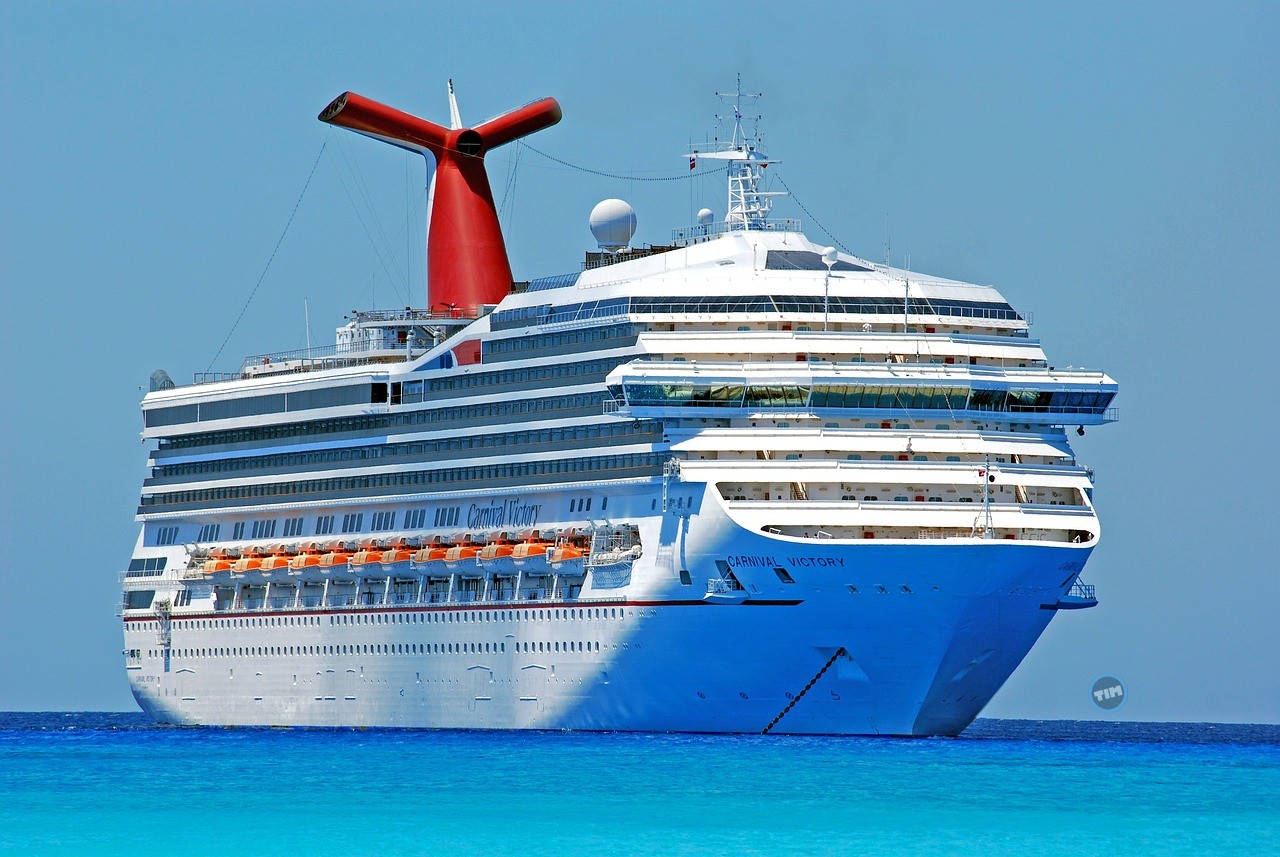
Norwegian Cruise Line Holdings Ltd. stocks have been trading up by 11.52 percent amid upbeat travel demand and earnings optimism.
Key Takeaways
- Cruise names including Norwegian Cruise Line are trading higher after Carnival’s strong Q3 and bullish multi‑year demand outlook, signaling a sector-wide rerating on pricing and demand strength.
- A $750M senior-notes deal due 2031 for Norwegian Cruise Line Holdings Ltd. to refinance 2028 debt and credit lines drew an initial 2.7% premarket pop as traders welcomed proactive balance-sheet management.
- Major banks have trimmed NCLH price targets but still see upside, with an overweight consensus and Street targets clustered around $18–$19 versus a mid-teens share price.
- Susquehanna’s cut to a $16 target and Neutral on NCLH highlights worries about consumer health even as Q3 demand commentary is expected to be positive.
- Bookings opened for Norwegian Bella, a new large-capacity ship for 2028 European voyages, lifting Norwegian Cruise Line shares roughly 3% on confidence in long-term demand.
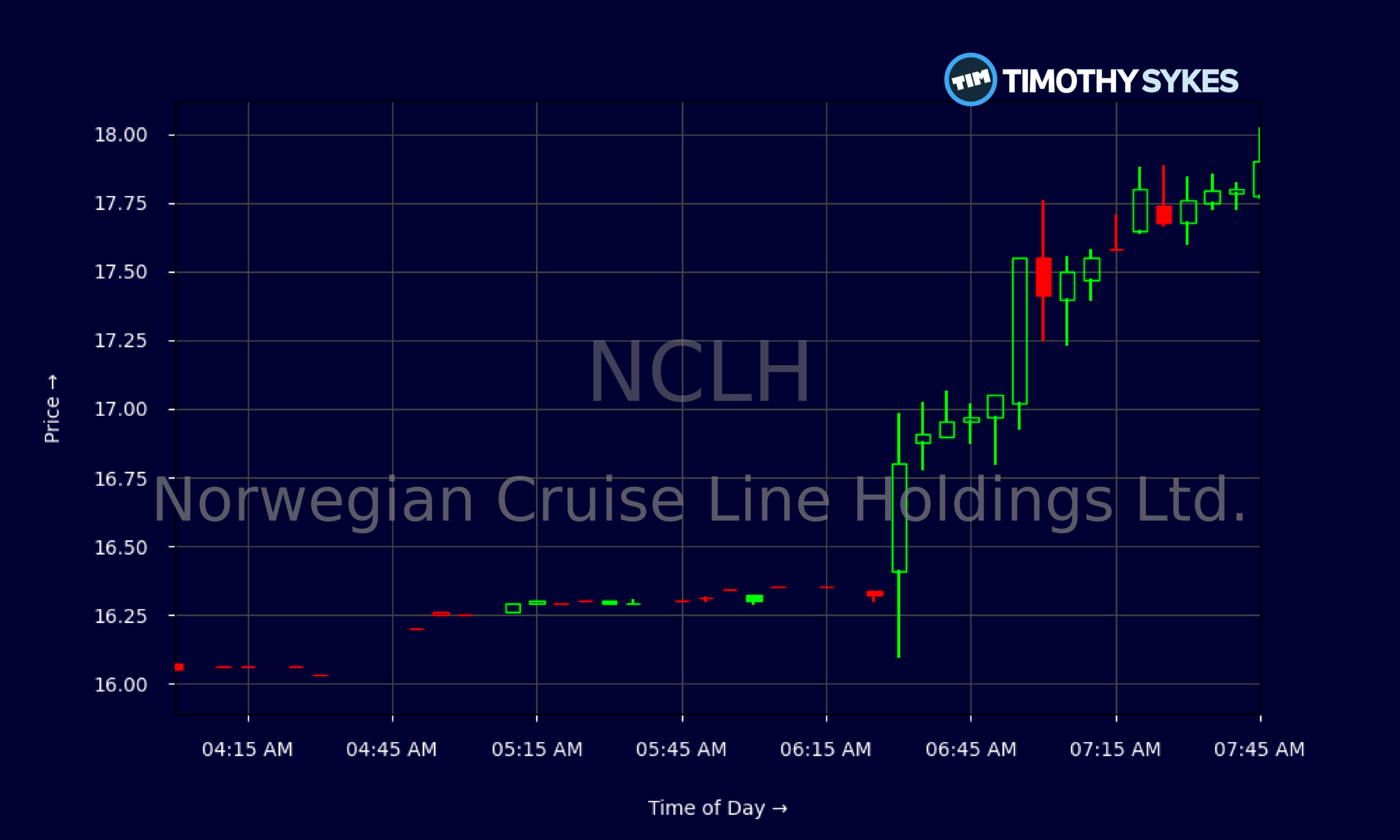
Live Update At 07:48:09 EDT: On Thursday, October 29, 2026 Norwegian Cruise Line Holdings Ltd. stock [NYSE: NCLH] is trending up by 11.52%! Discover the key drivers behind this movement as well as our expert analysis in the detailed breakdown below.
Quick Financial Overview
NCLH is trading in the mid-teens, with recent daily closes mostly between $14.87 and $16.06. The trend across October shows a slow grind higher, with Norwegian Cruise Line buying support on dips toward $15 and sellers stepping in above $16. That kind of tight range tells traders the market is waiting on the next catalyst.
Intraday, NCLH has shown strong premarket momentum, with five‑minute candles ramping from about $16.30 up through the high‑$17s. That push, with higher highs and higher lows, signals aggressive short-term trading interest whenever news hits.
Under the hood, Norwegian Cruise Line Holdings is putting up real earnings power again. Q2 revenue was about $2.64B, with EBITDA near $691M and net income around $223M. EBIT margin near 15.8% and EBITDA margin around 27.9% show the core cruise business is healthy. The P/E near 9.4 and price-to-sales around 0.7 leave NCLH screens looking “cheap” versus many consumer names, but the balance sheet explains why.
More Breaking News
Total debt to equity near 5.8 and a leverage ratio around 9.3 keep risk elevated. Current and quick ratios at 0.2 and 0.1 mean Norwegian Cruise Line relies heavily on ongoing cash generation and refinancing, which is exactly where the latest note deal comes in.
Why Traders Are Watching NCLH Now
The story around NCLH right now is a tug-of-war between strong demand and heavy leverage. On the demand side, Norwegian Cruise Line is riding the same wave that pushed Carnival higher after its strong Q3 and bullish multi‑year outlook. Traders are treating Carnival’s commentary as confirmation that cruise demand and pricing are holding up, which helps NCLH whenever the sector catches a bid.
At the same time, Norwegian Cruise Line Holdings is reshaping its balance sheet. The company is issuing $750M in new senior notes due 2031 to refinance 6.125% notes due 2028, pay down $176.3M on its revolver, and prepay $42.2M of export‑credit debt. This is not a growth raise; it is maturity management. The early 2.7% premarket jump showed traders liked seeing NCLH push debt walls further out rather than adding fresh leverage.
Analysts, though, are forcing a reality check. Citi cut its NCLH target from $22 to $19 after Q3, blaming fuel and interest costs, not bookings. TD Cowen trimmed to $20 but still talks up a 2027 yield story and cost cuts. BofA, Deutsche Bank, Stifel, and Wells Fargo all nudged targets lower, yet the Street still sits overweight with mean targets around $18–$19, above the roughly $15 handle where Norwegian Cruise Line has been trading.
Then there is Susquehanna, down to a $16 target and Neutral on NCLH, pointing at consumer health concerns. That split—bullish demand today versus fear of a tired consumer tomorrow—is why volatility around earnings and macro headlines stays high.
Against that backdrop, Norwegian Cruise Line is not standing still operationally. Opening bookings for the new Norwegian Bella, a large-capacity ship set for seven‑day European voyages starting 2028, triggered roughly a 3% pop in the shares. Coupled with Norwegian Aura, this move tells traders that NCLH’s management is confident enough in long-term demand to keep expanding the fleet.
Conclusion
For active traders, NCLH is a textbook battleground name. Norwegian Cruise Line Holdings shows clear operational momentum: solid margins, positive free cash flow around $145M in Q2, and sector-wide tailwinds confirmed by Carnival’s strong report. The chart backs that up, with NCLH grinding higher in the mid-teens and showing sharp intraday spikes whenever news hits.
But the risk side is just as obvious. Norwegian Cruise Line’s leverage remains high, liquidity ratios are thin, and nearly every major bank has walked targets down. Even with consensus price targets above the current NCLH quote, expectations are now in “cautious optimism” territory rather than euphoria. Traders are rewarding balance-sheet work, like the $750M note refinance, but will punish any sign that costs or a weakening consumer are starting to crack the story.
The next hard catalyst is Q3 2026 earnings, set for 2026/10/29. That call will give fresh detail on bookings, pricing, and how the fuel and interest bill is tracking. Until then, Norwegian Cruise Line is likely to stay a news‑driven trading vehicle, not a sleepy hold.
As Tim Sykes likes to remind his community, “I don’t care how good the story sounds—always let the price action and the risk/reward guide you.” That mindset aligns with another of his core trading reminders: As millionaire penny stock trader and teacher Tim Sykes, says, “It’s not about how much money you make; it’s about how much money you keep.”. For NCLH, that means respecting the upside from strong demand and an overweight Street stance, while never forgetting that heavy debt and macro jitters can turn the tide fast. This article is for educational and research purposes only and is not trading advice.
This is stock news, not investment advice. Timothy Sykes News delivers real-time stock market news focused on key catalysts driving short-term price movements. Our content is tailored for active traders and investors seeking to capitalize on rapid price fluctuations, particularly in volatile sectors like penny stocks. Readers come to us for detailed coverage on earnings reports, mergers, FDA approvals, new contracts, and unusual trading volumes that can trigger significant short-term price action. Some users utilize our news to explain sudden stock movements, while others rely on it for diligent research into potential investment opportunities.
Dive deeper into the world of trading with Timothy Sykes, renowned for his expertise in penny stocks. Explore his top picks and discover the strategies that have propelled him to success with these articles:
- Penny Stocks Trading Guide
- Best Penny Stocks Under $1 to Buy Today
- Top 8 Penny Stocks to Watch on Robinhood
Once you’ve got some stocks on watch, elevate your trading game with StocksToTrade the ultimate platform for traders. With specialized tools for swing and day trading, StocksToTrade will guide you through the market’s twists and turns.
Dig into StocksToTrade’s watchlists here:





Leave a reply