

Block Inc. stocks have been trading up by 15.17 percent after upbeat fintech growth headlines bolstered investor confidence.
Key Takeaways
- Block (ASX:XYZ) reported a strong Q3 with adjusted earnings more than doubling year over year to $1.13 per share and total net revenue rising to $6.72B from $6.11B.
- Bank of America reiterated a buy rating on Block and maintained a $115 price target, calling the company a key winner from resilient consumer payments trends despite softer gross profit guidance.
- Block’s Square unit is consolidating debit, prepaid, and credit card products onto Marqeta’s platform to launch a new Square business credit card on the American Express network, expanding its ecosystem for merchants.
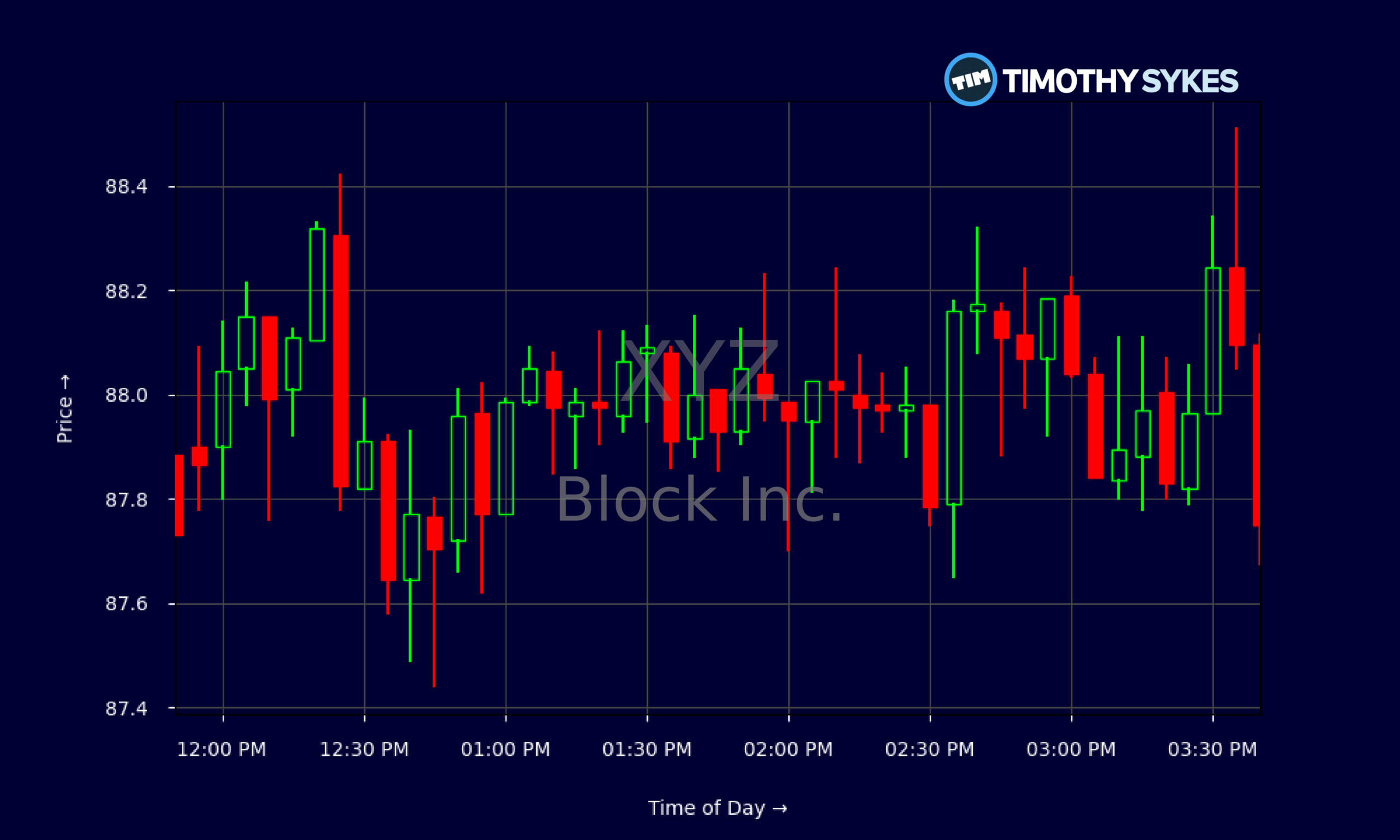
Live Update At 15:46:55 EST: On Wednesday, November 04, 2026 Block Inc. stock [NYSE: XYZ] is trending up by 15.17%! Discover the key drivers behind this movement as well as our expert analysis in the detailed breakdown below.
Quick Financial Overview
Block Inc., trading on the ASX under ticker XYZ, is backing up the headlines with real numbers. Q3 adjusted earnings at $1.13 per share more than doubled from last year, while total net revenue climbed to $6.72B from $6.11B. That kind of acceleration is what momentum traders scan for in earnings season.
On the chart, XYZ has broken out from the mid-$70s to close near $87.53 after the report, a sharp move from recent lows around $74–$76. The daily tape shows steady higher lows over the past weeks, signaling dip buyers are active. Intraday, XYZ has been grinding in a tight $85–$88 band, showing strong support with very controlled pullbacks rather than panic selling.
More Breaking News
Fundamentals back this strength. XYZ posts a healthy 46.4% gross margin and positive operating income, but a sky-high P/E near 138 tells traders this is a growth name where sentiment and execution matter. Leverage looks manageable with total debt-to-equity at 0.33 and a solid current ratio of 2.2, giving Block room to keep building the platform while the market prices in future gains.
Why Traders Are Locked In On XYZ Right Now
For active traders, XYZ is in the sweet spot where strong fundamentals intersect with clear catalysts. The biggest driver is that Q3 beat: Block’s adjusted earnings doubling year over year to $1.13 per share, with revenue jumping to $6.72B, shows real operating momentum. When a payments platform like Block converts top-line growth into much faster earnings growth, it tells the market the model is scaling.
That backdrop explains why Bank of America stepped in with a reiterated buy rating and a $115 price target on Block. For XYZ traders, that target sits meaningfully above the current high-$80s area, providing a clear psychological magnet. BofA also labeled Block a key beneficiary of resilient consumer payments activity, which supports the bull thesis even as management warns gross profit growth will slow in Q3 and Q4 and transaction losses moderate. Translation for traders: growth is normalizing, not collapsing.
Under the hood, XYZ’s Square unit is quietly adding another catalyst. By consolidating debit, prepaid, and credit card offerings onto Marqeta’s platform and launching a new Square business credit card on the American Express network, Block is tightening its grip on merchants. That move can deepen business relationships, boost card volume, and add higher-margin revenue over time. When you line up the earnings beat, the bullish Wall Street stance, and the Square–Marqeta–Amex expansion, XYZ has multiple storylines that momentum traders can trade around, both on breakouts and on pullbacks toward prior support.
Conclusion
XYZ now trades like a name that has re-earned the market’s respect. Block delivered a Q3 where adjusted earnings more than doubled, pushed revenue north of $6.7B, and kept margins intact. The stock has responded with a clean trend from the mid-$70s into the high-$80s, showing controlled intraday action and clear demand on dips. For short-term traders, that combination of earnings strength and orderly price behavior is exactly what you want to see.
At the same time, XYZ carries a rich valuation, with a P/E near 138 and a price-to-sales ratio around 1.85. That tells disciplined traders to stay tactical. Sharp reversals are always possible if future quarters fall short of the high bar this Q3 just set. The balance sheet and cash flow profile look solid, but the market is paying for future execution, not just current profits.
Bank of America’s $115 price target and buy rating keep institutional confidence in focus, while the Square business credit card move with Marqeta and American Express adds a longer-term growth angle that swing traders can track across quarters. As millionaire penny stock trader and teacher Tim Sykes, says, “Preparation plus patience leads to big profits.”. As Tim Sykes likes to say, “Trade the ticker, not the hype — react to the price action and always, always cut losses quickly.” For XYZ, that means respecting the bullish trend, watching key support levels, and treating every trade as a planned, educational setup — never as advice or a guarantee.
This is stock news, not investment advice. Timothy Sykes News delivers real-time stock market news focused on key catalysts driving short-term price movements. Our content is tailored for active traders and investors seeking to capitalize on rapid price fluctuations, particularly in volatile sectors like penny stocks. Readers come to us for detailed coverage on earnings reports, mergers, FDA approvals, new contracts, and unusual trading volumes that can trigger significant short-term price action. Some users utilize our news to explain sudden stock movements, while others rely on it for diligent research into potential investment opportunities.
Dive deeper into the world of trading with Timothy Sykes, renowned for his expertise in penny stocks. Explore his top picks and discover the strategies that have propelled him to success with these articles:
- Penny Stocks Trading Guide
- Best Penny Stocks Under $1 to Buy Today
- Top 8 Penny Stocks to Watch on Robinhood
Once you’ve got some stocks on watch, elevate your trading game with StocksToTrade the ultimate platform for traders. With specialized tools for swing and day trading, StocksToTrade will guide you through the market’s twists and turns.
Dig into StocksToTrade’s watchlists here:





Leave a reply