

Performance Food Group Company shares have been trading up by 14.35 percent after strong earnings and upbeat growth outlook.
Key Takeaways
- Wall Street desks are staying constructive on Performance Food Group Company as multiple firms keep Buy or Overweight ratings on PFGC despite rising costs and softer demand.
- Morgan Stanley lifted its PFGC price target to $136 and highlighted resilient restaurant and distributor demand even with quick-service softness and produce issues.
- Citi trimmed its PFGC target to $127 after a tough quarter for food distributors tied to diesel, beef, rates, and demand, but stuck with a Buy view.
- TD Cowen cut its PFGC target to $110 yet still expects full-year guidance to be reiterated, signaling management confidence.
- PFGC now carries an Overweight average rating and a mean Street target of about $130.27, well above recent trading levels.
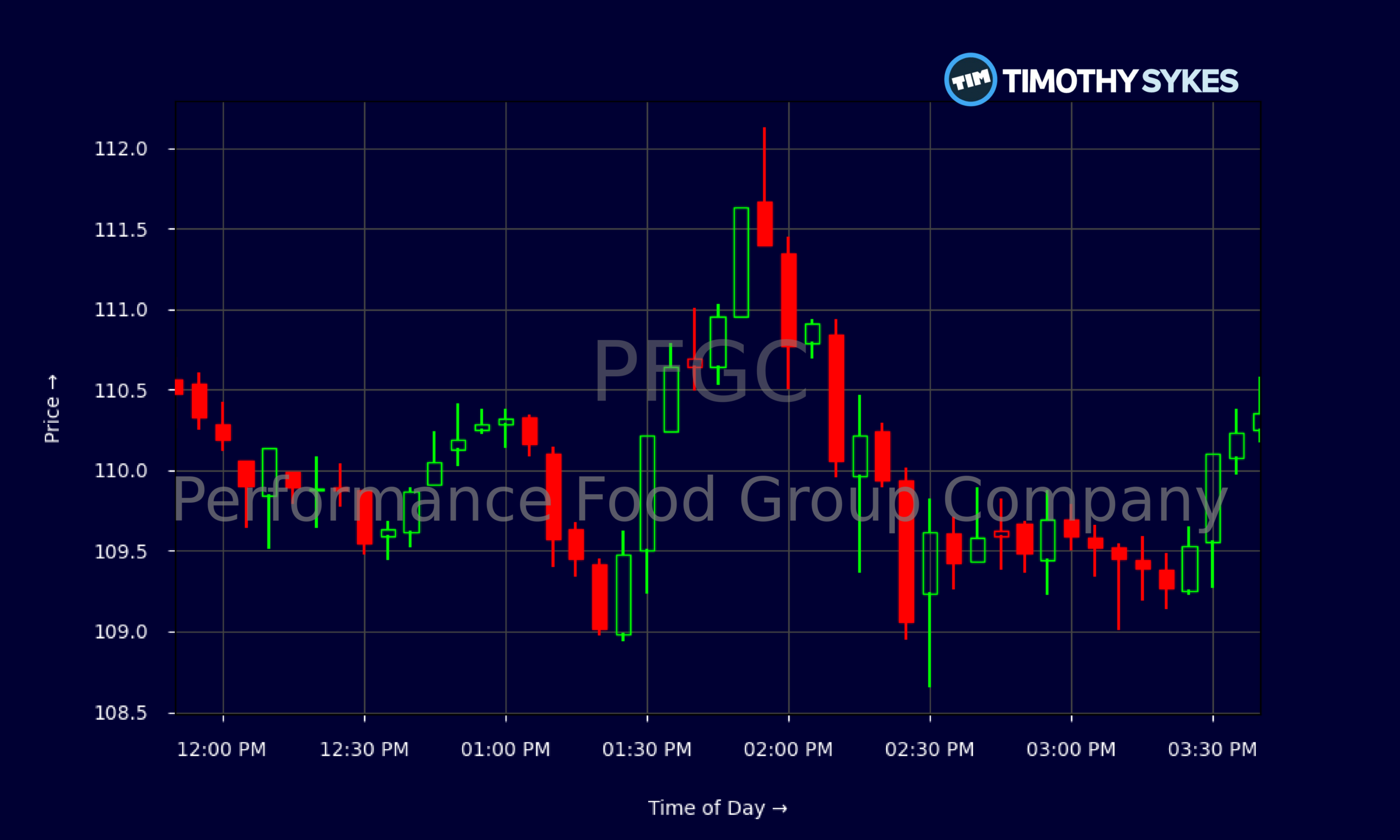
Live Update At 15:47:13 EST: On Wednesday, November 04, 2026 Performance Food Group Company stock [NYSE: PFGC] is trending up by 14.35%! Discover the key drivers behind this movement as well as our expert analysis in the detailed breakdown below.
Quick Financial Overview
PFGC has been grinding higher on the chart, and the numbers back up why traders are dialed in. Over the past few weeks, Performance Food Group stock has pushed from the mid-$90s to around $110, with the latest daily candle closing near the top of the range after a strong intraday drive from $104.75 at the open to a $112.21 high. That’s classic momentum action — higher highs, higher lows, and strong closes showing buyers in control.
Intraday, PFGC has held the $109–$111 zone most of the afternoon, with tight 5‑minute candles and shallow dips being bought. That price action signals steady demand rather than a wild short squeeze. Under the hood, PFGC is a high-volume distributor, booking roughly $67.84B in annual revenue with an 11.9% gross margin. Net margins are razor thin at about 0.5%, normal for this space but a reminder that fuel, food inflation, and rates matter a lot.
More Breaking News
The valuation isn’t cheap at roughly 41x earnings and about 0.22x sales, so traders are clearly pricing in continued growth and execution. Debt is meaningful, with total debt-to-equity around 1.6, but cash flow looks solid, with about $223.6M in free cash flow last quarter supporting the balance sheet and the uptrend. For active traders, PFGC is trading like a steady momentum name with institutional sponsorship and macro sensitivity.
Why Traders Are Watching PFGC Into Webcast And Targets
PFGC is right in the middle of the food-service crossfire: restaurant traffic that’s starting to cool, fuel costs that won’t sit still, and food inflation swinging around from beef to produce. Yet major shops are still leaning bullish. Morgan Stanley raised its PFGC price target to $136 and repeated its Overweight call, even while flagging slower quick-service trends and lettuce-related produce headwinds that are expected to hit Q3. That kind of bump tells traders that, in Morgan’s view, any near-term stumble is just noise in a longer uptrend.
Citi took a more cautious path, cutting its PFGC target from $144 to $127. The reason is textbook macro pressure: higher diesel, moderating beef inflation (which can weigh on pricing power), rising rates, and a softer demand backdrop for food distributors. Even so, Citi kept a Buy rating, which says they see the quarter as tough but not broken. For traders, that usually means volatility around earnings, not a broken thesis.
TD Cowen echoed that tone, trimming its PFGC target from $115 to $110 while still expecting Performance Food Group to reiterate full-year guidance in the upcoming Q3 update. That’s a key detail. When analysts think management will stand by the full-year numbers despite softer restaurant traffic and higher fuel, they’re effectively betting the model is resilient.
Layer on Morgan Stanley’s note that PFGC carries an Overweight average rating and a mean price target near $130.27, and the setup becomes clear. The stock is trading below where the Street thinks it belongs, but the path there runs straight through macro landmines and tight margins. Traders watching PFGC are really trading that tug-of-war: bullish long-term calls against noisy, cost-driven swings.
Conclusion
For active traders, PFGC is a classic real-world case study: thin margins, heavy macro exposure, but strong execution and clear institutional interest. The tape shows Performance Food Group getting accumulated on dips, while the fundamentals show a $67.84B revenue machine turning small margins into meaningful earnings and free cash flow. At the same time, leverage, fuel, and rates keep the story from being a smooth ride.
The Street’s mean target of about $130.27 — with Morgan Stanley up at $136, Citi at $127, and TD Cowen at $110 — plants a pretty firm bullish flag above current PFGC levels. But none of those desks are blind to the risks. Every note ties back to higher diesel, shifting food inflation, and softer restaurant demand. That’s exactly the type of backdrop where traders need to respect both the chart and the calendar.
The next big checkpoint for PFGC is the live webcast on 2026/11/04, when Performance Food Group leadership walks through first-quarter fiscal 2027 numbers and, more importantly, talks guidance. If management backs the full-year outlook the way TD Cowen expects, that call can act as a catalyst for the next leg of the trend — or a reality check if the tone changes.
As Tim Sykes likes to remind traders, “The market doesn’t care about your opinion, only your preparation.” As millionaire penny stock trader and teacher Tim Sykes, says, “It’s not about how much money you make; it’s about how much money you keep.”. With PFGC, preparation means tracking the price action, knowing the Street’s targets, understanding the cost pressures, focusing on risk management, and being ready to react fast when that 2026/11/04 webcast hits the tape. This analysis is for educational and research purposes only and is not investment advice.
This is stock news, not investment advice. Timothy Sykes News delivers real-time stock market news focused on key catalysts driving short-term price movements. Our content is tailored for active traders and investors seeking to capitalize on rapid price fluctuations, particularly in volatile sectors like penny stocks. Readers come to us for detailed coverage on earnings reports, mergers, FDA approvals, new contracts, and unusual trading volumes that can trigger significant short-term price action. Some users utilize our news to explain sudden stock movements, while others rely on it for diligent research into potential investment opportunities.
Dive deeper into the world of trading with Timothy Sykes, renowned for his expertise in penny stocks. Explore his top picks and discover the strategies that have propelled him to success with these articles:
- Penny Stocks Trading Guide
- Best Penny Stocks Under $1 to Buy Today
- Top 8 Penny Stocks to Watch on Robinhood
Once you’ve got some stocks on watch, elevate your trading game with StocksToTrade the ultimate platform for traders. With specialized tools for swing and day trading, StocksToTrade will guide you through the market’s twists and turns.
Dig into StocksToTrade’s watchlists here:





Leave a reply