

Grab Holdings Limited stocks have been trading up by 7.42 percent following upbeat news on regional expansion and profitability.
Key Takeaways
- Q3 results showed adjusted EBITDA jumping to $237M from $136M, with revenue of $1.11B topping consensus around $1.05B–$1.10B.
- Despite rising fuel costs, Grab Holdings delivered strong On-Demand GMV and user growth across its core platform.
- Q3 adjusted EPS landed at breakeven versus a forecast $0.05 profit, but GRAB nudged 2026 revenue guidance higher and gained about 1.8% after hours.
- Shares ripped 13.3% to $3.24 in the latest session, signaling powerful short-term momentum in GRAB trading.
- Barclays and JPMorgan kept Overweight ratings on GRAB, with targets in the $4–$5.10 band and a broader Street mean near $6.04.
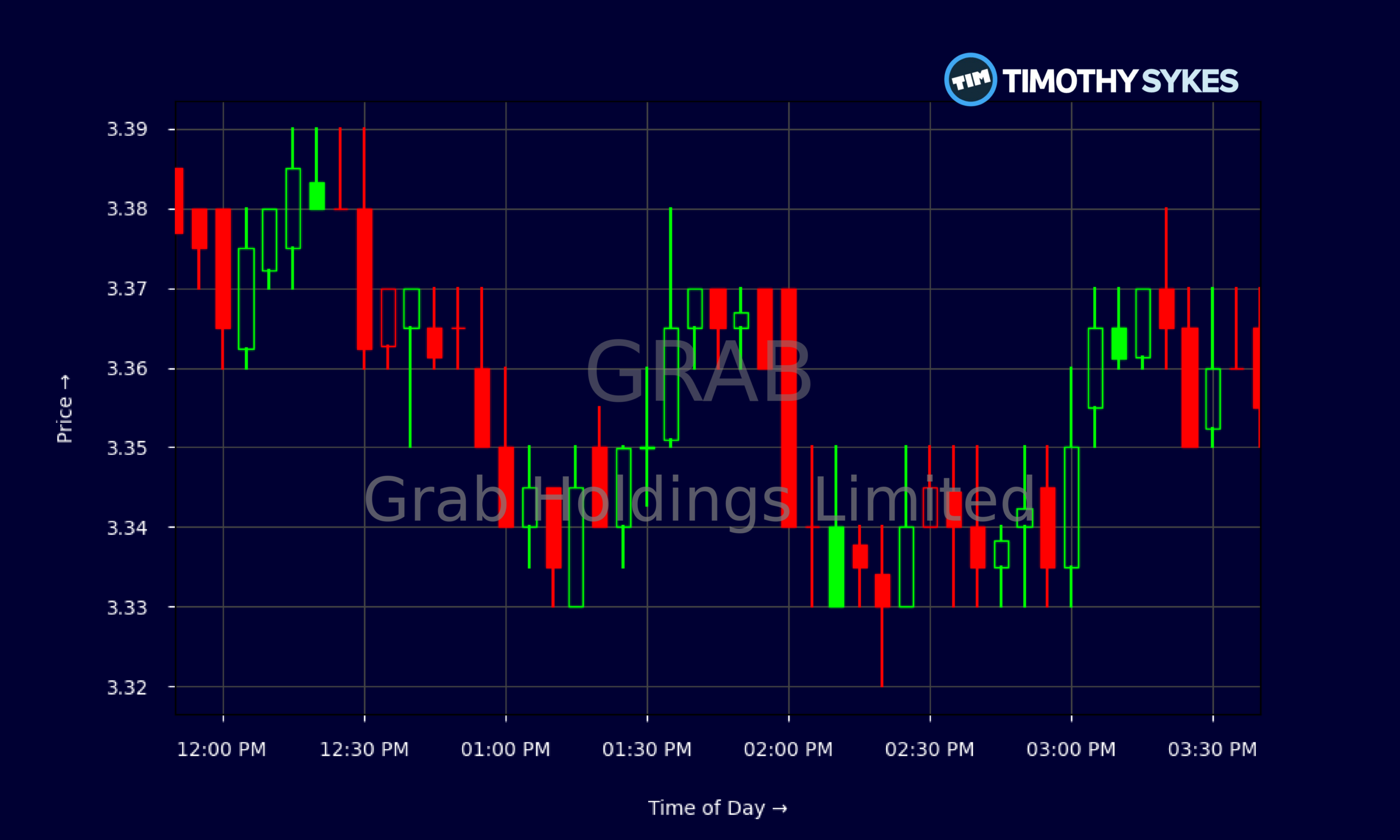
Live Update At 15:47:25 EST: On Wednesday, November 04, 2026 Grab Holdings Limited stock [NASDAQ: GRAB] is trending up by 7.42%! Discover the key drivers behind this movement as well as our expert analysis in the detailed breakdown below.
Quick Financial Overview
GRAB is trading like a name that just surprised the Street on the top line and proved it can scale. After drifting for weeks in the $2.70–$3.00 zone, the stock exploded higher, with a 13.3% jump to $3.24 and a follow‑through push to around $3.35 the next day. That move lines up with Q3 numbers that finally gave traders a catalyst.
For the quarter, Grab Holdings posted revenue of $1.11B, ahead of the widely watched $1.05B estimate. Adjusted EBITDA surged to $237M from $136M a year earlier, showing the platform is squeezing more profit out of every ride and delivery even while fuel prices stay elevated. EPS was only breakeven versus expectations for $0.05, but the market clearly focused on the revenue beat and margin progress.
More Breaking News
On the tape, GRAB’s 5‑minute chart shows steady accumulation rather than a one‑and‑done spike. Price held above $3.30 for most of the session, with tight intraday ranges around $3.34–$3.37. For active traders, that kind of controlled grind after a big gap often signals strong hands stepping in, not just fast money chasing a headline.
Why Traders Are Watching GRAB After Q3
GRAB is back on screens because the story finally matched the hype. Traders got a clean earnings beat, a guidance bump, and confirmation that the Grab Holdings flywheel is working despite a tough macro backdrop. Q3 revenue at $1.11B did more than “slightly” top consensus — it beat the $1.05B FactSet mark by about $60M. When a platform at Grab’s scale outgrows expectations, it tells you user demand and monetization are tracking ahead of the Street’s models.
The real eye‑opener is adjusted EBITDA, jumping to $237M from $136M year over year. That kind of expansion signals operating leverage: costs are not rising as fast as gross profit. For traders, it means GRAB is moving out of the “cash burn” narrative and deeper into “self‑funding growth,” which can support higher price‑to‑sales multiples over time.
Yes, adjusted EPS came in at breakeven instead of the $0.05 gain analysts wanted. But management still felt confident enough to raise 2026 revenue guidance into a range that brackets consensus. The market reaction says it all: roughly 1.8% up in after‑hours trading right after the release, then a 13.3% surge to $3.24 as regular‑session traders piled in.
Layer on analyst action and you see why GRAB is suddenly a momentum name again. JPMorgan first cut its target from $5.90 to $4.80 as valuations reset across the sector, but crucially kept an Overweight rating. After Q3, it reversed course and pushed that target up to $5.10, again with Overweight. Barclays trimmed from $5 to $4 yet still labeled GRAB Overweight, while the broader Street sits on an average Buy and a mean target near $6.04. That mix of target support and real price action gives short‑term traders something tangible to lean on.
Conclusion
For active traders, GRAB now sits at the intersection of improving fundamentals and rising attention. The Q3 revenue beat to $1.11B, the jump in adjusted EBITDA to $237M, and the raised 2026 revenue guidance all point in the same direction: Grab Holdings is executing. The chart is confirming it, with the stock breaking out from the high‑$2s to the mid‑$3s on strong volume and then consolidating tightly intraday instead of giving the move back.
Risk is still part of the story. Profitability is not locked in, with breakeven adjusted EPS reminding traders that GRAB is not yet a steady earnings machine. Regulatory pushback in Taiwan has already capped one expansion effort, even as Grab Holdings continues to build out its broader ecosystem through fintech and delivery deals. And a price target band clustered between $4 and $5.10 leaves limited room for error if growth slows.
Traders who follow Tim Sykes’ style focus less on long‑term promises and more on current catalysts, clear patterns, and strict risk control. As Sykes likes to say, “Your edge isn’t predicting the future, it’s reacting faster than the crowd and cutting losses without emotion.” As millionaire penny stock trader and teacher Tim Sykes says, “The goal is not to win every trade but to protect your capital and keep moving forward.”. GRAB fits that educational playbook right now: a liquid name, fresh earnings news, analyst support, and a strong breakout that rewards disciplined momentum trading — as long as you respect your stops and treat every move as a trade, not a marriage.
This is stock news, not investment advice. Timothy Sykes News delivers real-time stock market news focused on key catalysts driving short-term price movements. Our content is tailored for active traders and investors seeking to capitalize on rapid price fluctuations, particularly in volatile sectors like penny stocks. Readers come to us for detailed coverage on earnings reports, mergers, FDA approvals, new contracts, and unusual trading volumes that can trigger significant short-term price action. Some users utilize our news to explain sudden stock movements, while others rely on it for diligent research into potential investment opportunities.
Dive deeper into the world of trading with Timothy Sykes, renowned for his expertise in penny stocks. Explore his top picks and discover the strategies that have propelled him to success with these articles:
- Penny Stocks Trading Guide
- Best Penny Stocks Under $1 to Buy Today
- Top 8 Penny Stocks to Watch on Robinhood
Once you’ve got some stocks on watch, elevate your trading game with StocksToTrade the ultimate platform for traders. With specialized tools for swing and day trading, StocksToTrade will guide you through the market’s twists and turns.
Dig into StocksToTrade’s watchlists here:





Leave a reply