

LivaNova PLC stocks have been trading up by 18.35 percent following upbeat sentiment around its latest cardiovascular therapy advancements.
Key Takeaways
- Barclays initiated coverage of LivaNova with an Overweight rating and a $105 price target, calling it one of its top smid-cap ideas in medical devices after recent sector underperformance.
- The bank also highlighted LivaNova as a standout small/mid-cap name in the medical devices space, seeing the broader pullback as a setup rather than a red flag.
- New 36‑month CORE‑VNS study data show LivaNova’s VNS Therapy delivered a 76% median seizure reduction plus better hospitalizations, rescue drug use, seizure severity, and quality of life.
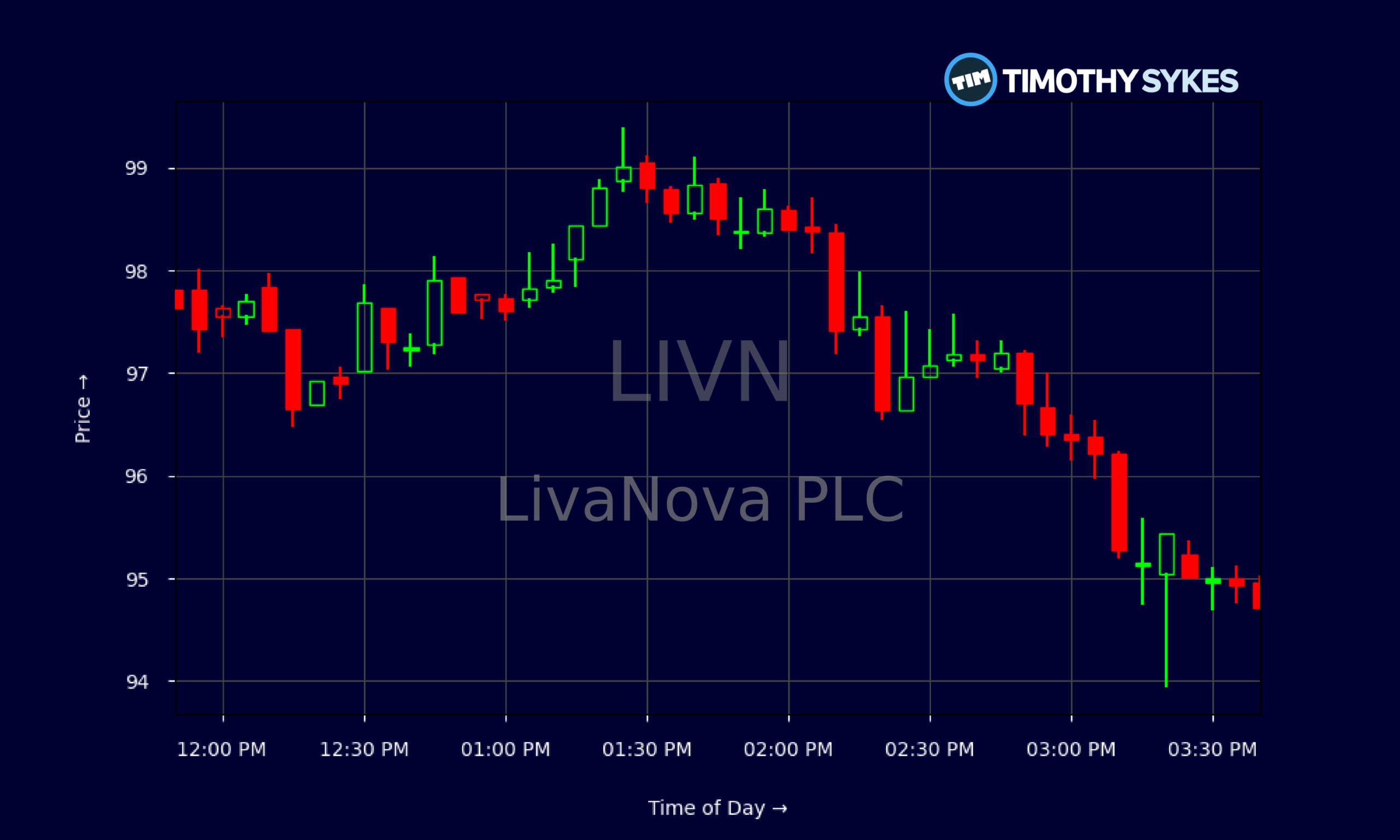
Live Update At 15:47:06 EST: On Wednesday, November 04, 2026 LivaNova PLC stock [NASDAQ: LIVN] is trending up by 18.35%! Discover the key drivers behind this movement as well as our expert analysis in the detailed breakdown below.
Quick Financial Overview
LIVN has shifted from a sleepy grinder to a real momentum chart. Over the last few weeks, LivaNova stock has climbed from closes near $76–$79 into the mid‑$90s, with the most recent session finishing around $94.51 after touching $99.38 intraday. That is a strong multi‑day trend, and traders love that type of staircase move.
The intraday tape shows LIVN holding higher lows all afternoon, mostly trading between $97 and $95 before a modest late pullback. That kind of controlled fade after a big morning surge often signals healthy profit taking rather than panic. For active trading, LIVN now has a clear intraday range and plenty of liquidity.
More Breaking News
Under the hood, LivaNova is not just a story stock. Revenue sits near $1.39B annually, growing at roughly high‑single to low‑double‑digit rates over three to five years. A gross margin around 67.8% tells traders this is a high‑value medical device franchise. The P/E near 22.5 and price‑to‑sales around 2.9 place LIVN in “reasonable growth” territory, not insane hype. Balance‑sheet strength, with total‑debt‑to‑equity of just 0.26 and a current ratio of 1.5, gives LivaNova real staying power if the market turns choppy.
Why Traders Are Watching LIVN Right Now
The catalyst stack on LIVN is exactly what momentum traders look for. First, Barclays stepped in on 2026/10/06 with fresh coverage, slapping an Overweight rating and a $105 price target on LivaNova. That matters. New coverage from a major bank usually means more eyes on the name, more models built, and more funds allowed to start trading it.
Barclays went further, naming LivaNova one of its top small and mid‑cap ideas in medical devices. The key nuance: the broker sees the whole medtech sector as having underperformed, and it views that weakness as opportunity, not a trap. So while many charts in the group still look bruised, LIVN is being singled out as a potential leader if the space rebounds.
The second big piece for LivaNova is real‑world clinical strength. On 2026/10/23, the company reported 36‑month data from its CORE‑VNS study in Neuromodulation. The numbers were strong: its VNS Therapy for drug‑resistant epilepsy showed a 76% median drop in seizure frequency, plus better hospitalization rates, lower rescue medication use, reduced seizure severity, and improved quality of life. For traders, that is not just medical jargon. It means LivaNova’s neuromodulation franchise has durable, three‑year evidence backing it, which supports pricing power and adoption.
Put those together and you see why LIVN is catching fire. You have a clean technical uptrend, a realistic upside anchor at $105 from Barclays, and a fundamental story with long‑term clinical proof. That combo often draws breakout traders, swing traders, and even longer‑term funds into the same tape, fueling strong, directional moves.
Conclusion
LIVN is acting like a stock where sentiment has flipped from “ignored medtech” to “go‑to recovery play.” The steady climb from the high‑$70s to mid‑$90s, backed by rising volume and tight intraday ranges, shows disciplined accumulation rather than wild speculation. At the same time, LivaNova’s fundamentals—solid revenue growth, fat margins, and a manageable balance sheet—give traders confidence that the story has depth.
Barclays calling LivaNova a top smid‑cap idea, with a $105 target, hands traders a clear reference level for potential upside. The long‑term CORE‑VNS data gives that rating teeth, showing LIVN is not just riding macro flows but delivering tangible clinical wins that support its neuromodulation business for years. For pattern‑based traders, LIVN now has obvious support zones near the low‑$80s and a defined catalyst‑driven resistance region around that $105 mark.
As Tim Sykes loves to say, “The market rewards preparation, not prediction.” As millionaire penny stock trader and teacher Tim Sykes, says, “The goal is not to win every trade but to protect your capital and keep moving forward.” For LivaNova, that means mapping your key levels, knowing the Barclays call and the CORE‑VNS data cold, and being ready for both breakouts and pullbacks. This article is for educational and research purposes only, but if you study LIVN’s chart, news, and numbers the way serious traders do, you will be better positioned the next time volatility hits this name.
This is stock news, not investment advice. Timothy Sykes News delivers real-time stock market news focused on key catalysts driving short-term price movements. Our content is tailored for active traders and investors seeking to capitalize on rapid price fluctuations, particularly in volatile sectors like penny stocks. Readers come to us for detailed coverage on earnings reports, mergers, FDA approvals, new contracts, and unusual trading volumes that can trigger significant short-term price action. Some users utilize our news to explain sudden stock movements, while others rely on it for diligent research into potential investment opportunities.
Dive deeper into the world of trading with Timothy Sykes, renowned for his expertise in penny stocks. Explore his top picks and discover the strategies that have propelled him to success with these articles:
- Penny Stocks Trading Guide
- Best Penny Stocks Under $1 to Buy Today
- Top 8 Penny Stocks to Watch on Robinhood
Once you’ve got some stocks on watch, elevate your trading game with StocksToTrade the ultimate platform for traders. With specialized tools for swing and day trading, StocksToTrade will guide you through the market’s twists and turns.
Dig into StocksToTrade’s watchlists here:





Leave a reply