
VALE S.A. stocks have been trading down by -3.22 percent amid renewed concerns over iron ore demand and Chinese growth.
Key Takeaways
- Vale’s Q3 iron ore production was 88.4 Mt and copper production was 85.5 kt, both down 6% year-over-year.
- Vale’s Q3 revenue slightly beat analyst expectations and grew modestly year over year, but earnings per share fell sharply and missed estimates, highlighting margin pressure despite top-line growth.
- Deutsche Bank cut its price target on Vale to $15 from $16.50 and maintained a Hold rating, lowering earnings estimates ahead of Q3 on expectations of weaker margins and volumes.
- UBS cut its price target on Vale to $13.50 from $14.50 and reiterated a Neutral rating, signaling slightly weaker expectations but no major change in stance.
- Freedom Broker cut its price target on Vale to $9.50 from $12 and reiterated a Sell rating after Q3 results, citing concerns that weakening iron ore margins will pressure profitability before copper growth can compensate.
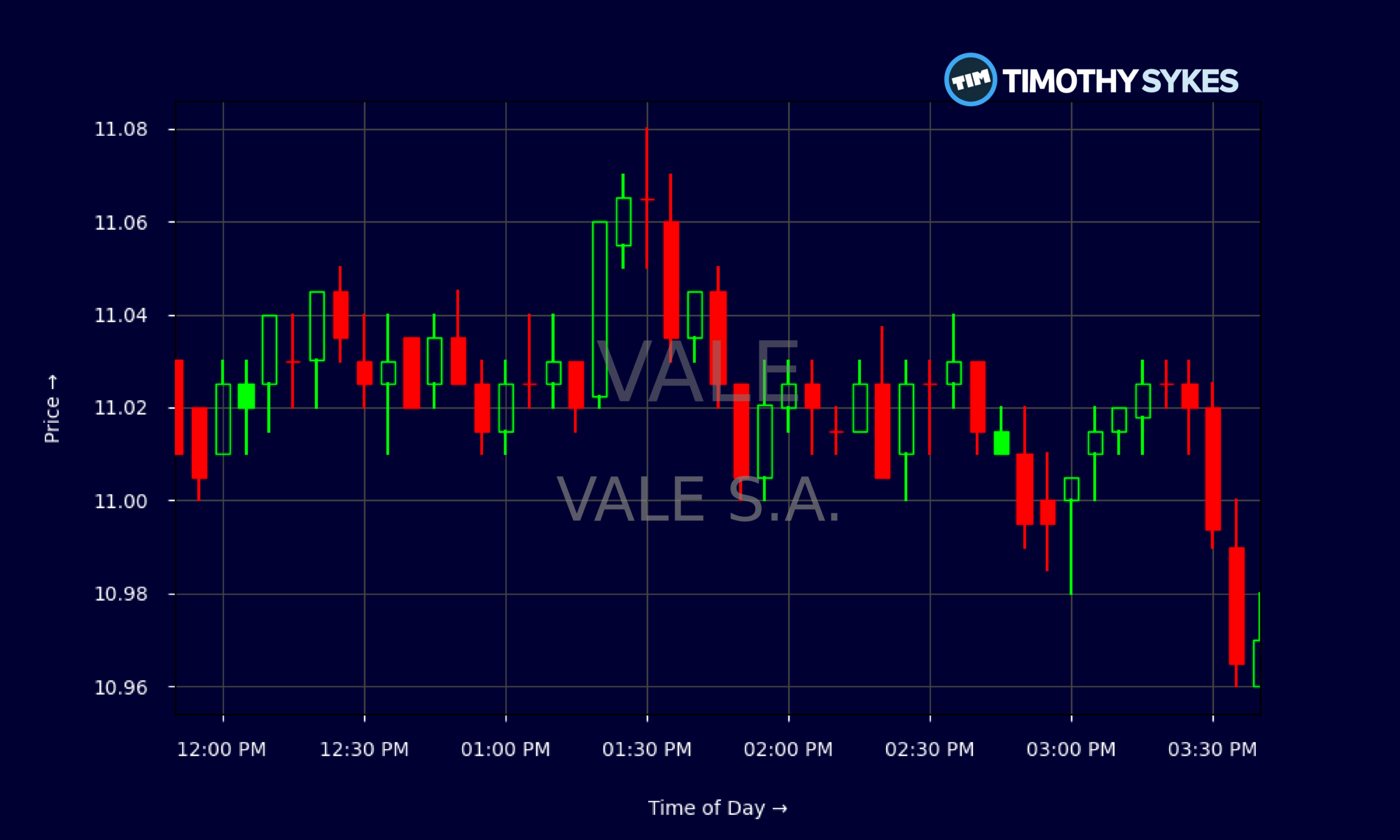
Live Update At 15:47:09 EST: On Tuesday, November 03, 2026 VALE S.A. stock [NYSE: VALE] is trending down by -3.22%! Discover the key drivers behind this movement as well as our expert analysis in the detailed breakdown below.
Quick Financial Overview
VALE S.A. has quietly slipped into a downtrend over the past few weeks, and the tape tells the story. From an October peak near $13.50, VALE has bled lower to around $11.00, with the latest close near $10.98. That is a clean, steady fade, not a one-day panic. For short-term traders, VALE is trading below recent resistance in the $12.50–$13.00 zone, which now acts as an overhead ceiling.
Intraday action reinforces the idea of a slow grind. The 5‑minute chart shows VALE stuck in a tight $10.96–$11.05 band for much of the afternoon, with no real momentum either way. That’s classic consolidation after a selloff.
More Breaking News
Fundamentally, VALE is not a penny stock story. The company posted roughly $38.1B in revenue over the last year, with solid profitability metrics like a 23.34% return on equity and 9.44% return on assets. A price-to-earnings ratio around 24.8 and price-to-sales near 1.5 suggest traders are paying a modest premium for a cyclical, commodity-heavy name. With a dividend yield near 4.8%, VALE still attracts income-focused capital, but for active traders the key question is whether earnings can back up that valuation as margins come under pressure.
Why Traders Are Watching VALE’s Margin Squeeze
VALE is at the center of a tug-of-war between decent revenue and weakening earnings quality. The company’s Q3 numbers showed iron ore production of 88.4 Mt and copper output of 85.5 kt, each down 6% year over year. Lower volumes in core products like this matter because they reduce operating leverage just when traders want to see VALE flex its scale.
At the same time, VALE delivered a modest revenue beat in Q3 and grew sales slightly year on year. The problem is further down the income statement. Earnings per share fell sharply and missed expectations. That tells traders the company is selling plenty of product but keeping less profit on each ton — a classic margin squeeze. The stock still managed to bounce about 1.5% on the print, which signals a lot of the bad news was already in the price.
Analysts are reacting in a consistent, if cautious, way. Deutsche Bank cut its VALE target to $15 from $16.50, flagging weaker expected margins and volumes and sticking with a Hold view. Morgan Stanley trimmed its target to $15.50 from $16.50 and openly prefers precious metals over base metals like copper, tying VALE’s risk to broader commodity headwinds.
Barclays lowered its target to $14.50, calling VALE an Equal Weight name. UBS has twice ratcheted its VALE target down — first to $14.50, then to $13.50 — while staying Neutral. The heaviest shot comes from Freedom Broker, which slashed its target to $9.50 and reiterated a Sell rating, arguing that shrinking iron ore margins will hurt profitability before copper growth can bail VALE out. For traders, that cluster of cuts forms a clear message: expectations are drifting lower, not higher.
Conclusion
For active traders, VALE now trades like a classic “show me” stock. The downtrend from the $13s into the low $11s lines up with the narrative coming out of Q3 — stable top line, falling volumes, and a visible hit to earnings per share. When production is slipping 6% in both iron ore and copper and multiple banks are walking their price targets down, the market stops paying for the old story and waits for proof of a new one.
The analyst spread on VALE says a lot. Freedom Broker sits at the low end with a $9.50 Sell target, while larger houses like Deutsche Bank, UBS, Morgan Stanley, and Barclays cluster in the mid-teens with Neutral or Equal Weight views. That range leaves plenty of room for trading swings inside a broad channel as sentiment shifts with every iron ore headline out of China or new margin datapoint from VALE.
For short-term traders, the key levels are simple: the $10–$11 area as a battleground for support, and the $12.50–$13.00 zone as near-term resistance. Until VALE proves it can stabilize margins or re-accelerate production, momentum players will likely treat bounces into resistance as potential fade opportunities and sharp dips as possible quick flips, not long-term bottoms. In this kind of choppy environment, many active traders lean on process and discipline over hero trades. As millionaire penny stock trader and teacher Tim Sykes, says, “Small gains add up over time; focus on building wealth gradually, not chasing jackpots.” That mindset aligns well with grinding intraday moves in a name like VALE, where consistent, smaller wins around key levels can matter more than trying to nail a single huge breakout.
Tim Sykes likes to say, “Patterns repeat, but traders don’t always pay attention.” VALE is offering a familiar pattern right now — fundamental compression, analyst downgrades, and a grinding downtrend. Whether you trade it long or short, the edge comes from respecting that pattern, watching the levels, and cutting losses fast. This article is for educational and research purposes only and is not investment advice.
This is stock news, not investment advice. Timothy Sykes News delivers real-time stock market news focused on key catalysts driving short-term price movements. Our content is tailored for active traders and investors seeking to capitalize on rapid price fluctuations, particularly in volatile sectors like penny stocks. Readers come to us for detailed coverage on earnings reports, mergers, FDA approvals, new contracts, and unusual trading volumes that can trigger significant short-term price action. Some users utilize our news to explain sudden stock movements, while others rely on it for diligent research into potential investment opportunities.
Dive deeper into the world of trading with Timothy Sykes, renowned for his expertise in penny stocks. Explore his top picks and discover the strategies that have propelled him to success with these articles:
- Penny Stocks Trading Guide
- Best Penny Stocks Under $1 to Buy Today
- Top 8 Penny Stocks to Watch on Robinhood
Once you’ve got some stocks on watch, elevate your trading game with StocksToTrade the ultimate platform for traders. With specialized tools for swing and day trading, StocksToTrade will guide you through the market’s twists and turns.
Dig into StocksToTrade’s watchlists here:





Leave a reply