

Grab Holdings Limited stocks have been trading up by 10.66 percent amid upbeat news on regional expansion and profitability.
Key Takeaways
- Q3 revenue for Grab Holdings hit $1.11B, topping the $1.05B consensus and slightly above the $1.10B some had modeled.
- Adjusted EBITDA for GRAB surged to $237M from $136M year over year, showing strong operating leverage despite high fuel costs.
- GRAB delivered breakeven adjusted EPS versus a $0.05 profit view, yet still nudged 2026 revenue guidance higher and gained about 1.8% after hours.
- Major banks cut GRAB price targets but kept Overweight and Buy ratings, with the average Street target still around $6.04.
- GRAB is pushing expansion via acquisitions, including a $1.49B stake in Advance Intelligence’s digital finance platform, while a $600M Foodpanda Taiwan deal was blocked by regulators.
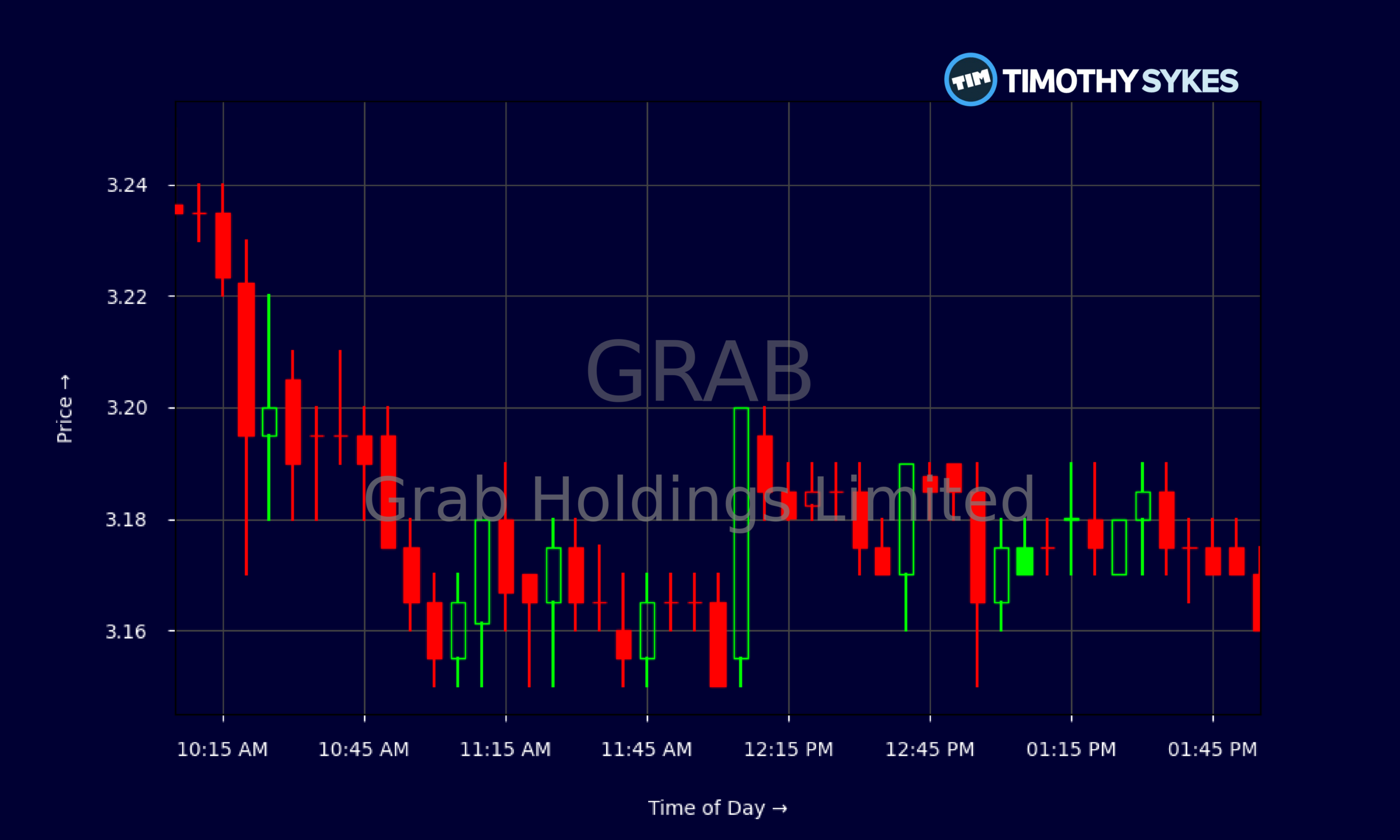
Live Update At 14:02:30 EST: On Tuesday, November 03, 2026 Grab Holdings Limited stock [NASDAQ: GRAB] is trending up by 10.66%! Discover the key drivers behind this movement as well as our expert analysis in the detailed breakdown below.
Quick Financial Overview
GRAB’s latest tape tells a clear story: earnings strength is finally lining up with the chart. The company just posted Q3 revenue of $1.11B, ahead of the $1.05B Wall Street expected. More important for traders, adjusted EBITDA for GRAB jumped to $237M from $136M a year earlier. That kind of move signals serious operating leverage, even while fuel prices stay elevated and macro noise hangs over Southeast Asia.
On the bottom line, GRAB printed breakeven adjusted EPS versus expectations for a $0.05 profit. That is not a disaster, but it reminds traders this is still a scaling story, not a finished cash machine. The balance sheet helps: GRAB holds about $6.8B in cash and short-term investments against total liabilities of roughly $5.23B, giving the company room to keep playing offense.
More Breaking News
On the chart, GRAB has pushed from the high‑$2s to the low‑$3s, with the latest close near $3.16. Intraday, the stock has been grinding in a tight $3.15–$3.20 band, showing steady demand rather than a blow‑off spike. For active trading, that sets up a classic post‑earnings consolidation, where breakouts above recent highs can trigger momentum, while a crack back below $3 turns it into a potential fade.
Why Traders Are Watching GRAB After Q3
Traders are glued to GRAB right now because the fundamentals and the price action finally rhyme. The headline number is that $1.11B Q3 revenue beat, but the real juice is in that EBITDA surge to $237M. When a platform business like GRAB grows profit this fast while fuel and macro pressures stay ugly, it shows the model is scaling, not stalling.
The market noticed. GRAB tacked on about 1.8% in after‑hours trading once the numbers hit, and the follow‑through pushed the stock from sub‑$2.90 levels to above $3.10 on 2026/11/03. That is not a meme‑style rip, but it is a clean shift in trend. The daily chart now shows GRAB defending the $2.70–$2.80 area and building a higher base around $3, which short‑term traders watch closely for continuation setups.
Analysts are sending a similar mixed‑but‑leaning‑bullish signal. Barclays cut its GRAB price target from $5 to $4 and JPMorgan trimmed from $5.90 to $4.80. Yet both stayed Overweight, and the broader Street still carries an average Buy rating with a mean target of about $6.04. Translation for traders: valuation multiples got compressed, not the business.
On the strategy side, GRAB is not standing still. Management is broadening the ecosystem with a 60% stake in Advance Intelligence’s digital financial services platform for $1.49B, aiming to deepen fintech revenue. At the same time, regulators in Taiwan blocked GRAB’s planned $600M purchase of Delivery Hero’s Foodpanda Taiwan unit. That kills one geographic expansion play, but the company says it will push that capital back into its core Southeast Asian roadmap, which many traders will see as a “shrink to strength” pivot rather than a full‑blown setback.
Conclusion
GRAB now sits at a key crossroads where strong Q3 numbers meet still‑reasonable expectations. The stock is trading near $3.16 after a solid run off October lows around $2.70–$2.80. Revenue is beating, EBITDA is climbing sharply, and the balance sheet shows GRAB with substantial cash firepower against its liabilities. At the same time, the breakeven EPS print and slightly raised 2026 guidance remind traders that the profitability ramp will be bumpy.
For active traders, that mix creates opportunity. GRAB has a clear support zone in the high‑$2s and emerging resistance in the low‑$3s, which defines risk and reward cleanly for short‑term setups. If volume picks up on moves above recent highs, GRAB can attract momentum traders hunting for post‑earnings continuation. If the stock loses the $3 area on heavy selling, dip‑buyers will reassess whether the Street’s $4–$6 targets are still realistic in the near term.
Strategically, GRAB’s push into digital finance through the Advance Intelligence deal, plus its decision to redirect capital after the Foodpanda Taiwan rejection, shows management is willing to pivot but stay aggressive. That matters for traders who care less about flawless execution and more about clear catalysts and narratives that can move price.
As Tim Sykes often says, “Patterns repeat because human nature doesn’t change — your job is to recognize the pattern, plan your trade, and cut losses fast.” As millionaire penny stock trader and teacher Tim Sykes, says, “It’s better to go home at zero than to go home in the red.”. That mindset is especially relevant for anyone trading GRAB’s post‑earnings range, where discipline on entries and exits can matter more than predicting the next headline. GRAB’s current pattern is classic post‑earnings strength with analyst support and a defined trading range. For those studying the name, the edge comes from tracking how GRAB behaves around that $3 zone and being ready to react, not predict.
This is stock news, not investment advice. Timothy Sykes News delivers real-time stock market news focused on key catalysts driving short-term price movements. Our content is tailored for active traders and investors seeking to capitalize on rapid price fluctuations, particularly in volatile sectors like penny stocks. Readers come to us for detailed coverage on earnings reports, mergers, FDA approvals, new contracts, and unusual trading volumes that can trigger significant short-term price action. Some users utilize our news to explain sudden stock movements, while others rely on it for diligent research into potential investment opportunities.
Dive deeper into the world of trading with Timothy Sykes, renowned for his expertise in penny stocks. Explore his top picks and discover the strategies that have propelled him to success with these articles:
- Penny Stocks Trading Guide
- Best Penny Stocks Under $1 to Buy Today
- Top 8 Penny Stocks to Watch on Robinhood
Once you’ve got some stocks on watch, elevate your trading game with StocksToTrade the ultimate platform for traders. With specialized tools for swing and day trading, StocksToTrade will guide you through the market’s twists and turns.
Dig into StocksToTrade’s watchlists here:





Leave a reply