

Nextpower Inc. stocks have been trading up by 16.51 percent following highly positive coverage of its breakthrough clean‑energy technology.
Key Takeaways
- Record Q2 revenue, bookings, and a backlog above $6B show strong demand across energy storage, eBOS, and inverter deals for NXT’s integrated solar platform.
- Management lifted fiscal 2027 EPS guidance to $4.61–$4.87 and revenue to $4.20B–$4.45B, both now above Street forecasts.
- Adjusted Q2 EPS came in at $1.31 versus $1.10 expected, underscoring execution strength at Nextpower Inc.
- Major banks reaffirmed Buy/Overweight/Positive views on NXT while trimming some price targets, citing demand strength but near‑term margin and policy risks.
- RBC kept an Outperform on Nextpower with a $116 target vs. roughly $81, pointing to record Q2 results and a >$6B backlog despite inflation and integration costs.
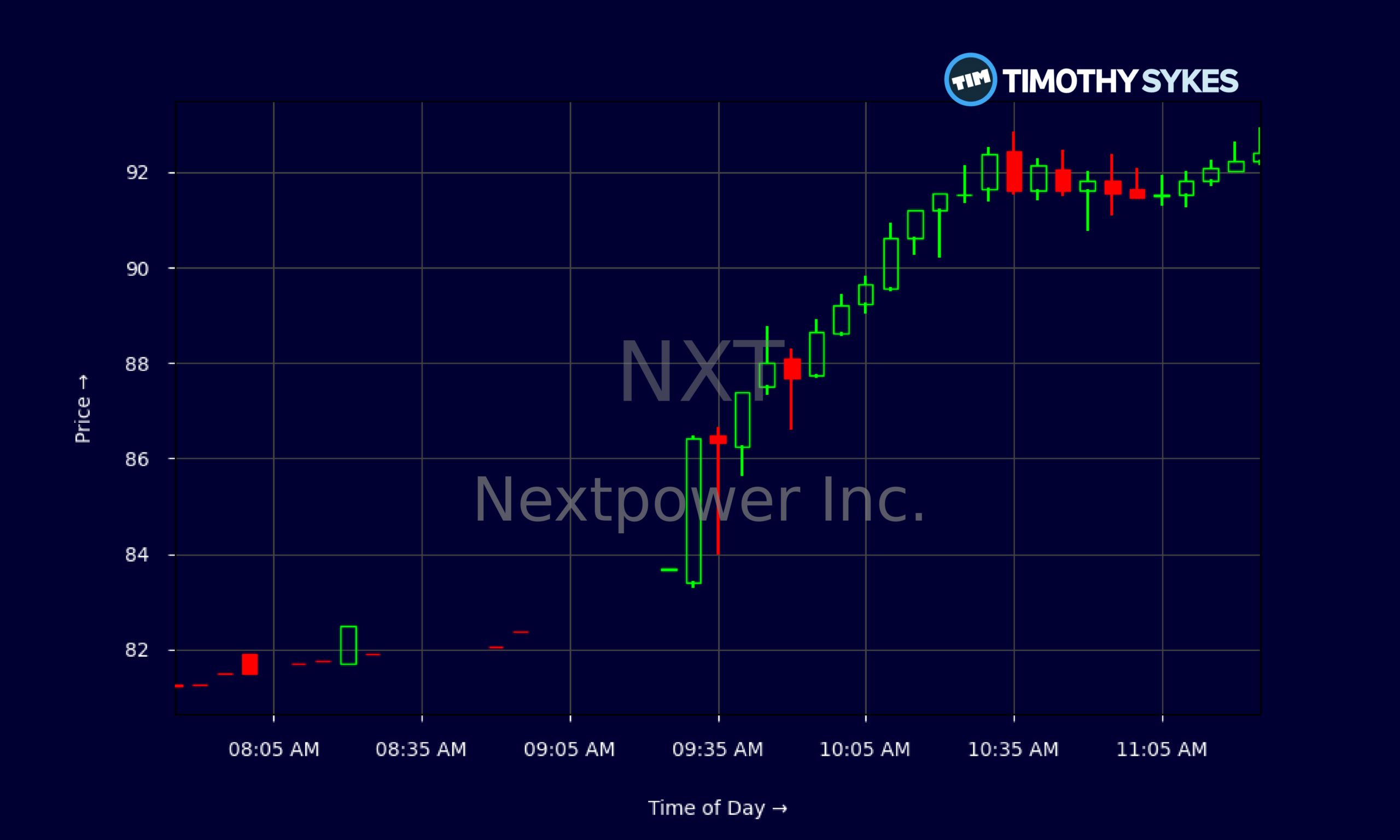
Live Update At 11:32:05 EST: On Monday, November 02, 2026 Nextpower Inc. stock [NASDAQ: NXT] is trending up by 16.51%! Discover the key drivers behind this movement as well as our expert analysis in the detailed breakdown below.
Quick Financial Overview
NXT has been acting like a textbook earnings breakout. The daily chart shows the stock grinding in the upper $70s through late October and then ripping to close near $92.57 on 2026/11/02. That’s a sharp move off the recent $76–$80 range, driven by real numbers, not hype.
Nextpower Inc. just posted Q2 adjusted EPS of $1.31, ahead of the $1.10 consensus. Revenue over the last year sits around $3.56B, with three‑year revenue growth above 50%, which tells traders this is a high‑velocity growth story. Profitability is solid: gross margin at 33.5% and EBIT margin at 18.1% give NXT room to handle cost bumps and still print strong earnings.
On the balance‑sheet side, Nextpower runs with zero long‑term debt and a current ratio of 2.7, plus over $1.21B in cash. That’s serious firepower for downturns or more deals. Returns on equity above 27% and on assets in the mid‑teens show the business is efficient, not just big.
More Breaking News
Intraday, NXT’s 5‑minute tape shows a clean trend: strong open near $86, steady higher lows, and a push into the low $90s. For short‑term traders, that intraday staircase pattern screams momentum and dip‑buy potential—at least while earnings buzz stays hot.
Why Traders Are Watching NXT Right Now
The market is finally waking up to what Nextpower Inc. has been building. NXT didn’t just “beat” Q2. It delivered record quarterly revenue and bookings, and pushed its backlog above $6B. That backlog is real future work across solar trackers, energy storage, eBOS, and inverter agreements. For momentum traders, a growing backlog is like fuel in the tank—visibility for future quarters that can keep upgrades and price spikes coming.
The guidance move matters even more. NXT raised its fiscal 2027 adjusted EPS range to $4.61–$4.87 and its revenue outlook to $4.20B–$4.45B. Both now sit above current Wall Street consensus. When a company lifts both the top line and bottom line that far out, it often triggers a reset higher in models. That’s exactly the kind of catalyst traders on timothysykes.com look for: strong numbers now plus higher expectations later.
Analysts are backing that up. RBC highlighted record Q2 earnings and the >$6B backlog, sticking with an Outperform and a $116 target versus a current NXT price around the low $80s when they wrote. Deutsche Bank nudged its target to $113 and reiterated a Buy. UBS, Citi, JPMorgan, and Susquehanna all kept bullish ratings on Nextpower, even as some trimmed price targets due to margin pressure and macro noise.
Those caveats matter. Several firms flagged near‑term margin headwinds from higher input costs, inflation, and integration costs from acquisitions. JPMorgan also pointed to potential order slowing tied to upcoming Section 232 tariff uncertainty on renewables. For active traders, that mix—fundamental strength with policy and cost overhangs—often creates volatility pockets. That’s where tight risk management and pattern recognition around NXT will count.
Conclusion
NXT is putting up the kind of numbers that usually attract serious trading attention. Nextpower beat Q2 EPS and revenue, printed a $1.31 adjusted EPS vs. $1.10 expected, and stacked its backlog above $6B. On top of that, management raised 2027 EPS and revenue guidance above the Street. That combination—an earnings beat plus a guidance hike—is one of the most reliable catalysts for sustained trends in growth names.
At the same time, the tape tells its own story. NXT has broken out from the high‑$70s zone to the low‑$90s, with intraday action showing steady, controlled buying rather than a single spike. Analysts still sit largely in the Buy/Overweight camp, with an average target well above current levels, even after some trims. They’re clear about the risks: margin pressure from rising costs and tariff uncertainty that could shake orders and introduce air pockets in the chart.
For traders, that means opportunity—if they stay disciplined. The fundamental trend at Nextpower looks strong, but any stock tied to renewables and policy swings can move fast both ways. This is where the Sykes playbook applies. As Tim Sykes likes to hammer home, “Cut losses quickly, because you can always re‑enter, but you can’t get back a blown‑up account.” As millionaire penny stock trader and teacher Tim Sykes, says, “Embrace the journey, the ups and downs; each mistake is a lesson to improve your strategy.”. NXT gives plenty for momentum, breakout, and dip traders to study—just remember, this is educational and research content only, not a signal to buy or sell.
This is stock news, not investment advice. Timothy Sykes News delivers real-time stock market news focused on key catalysts driving short-term price movements. Our content is tailored for active traders and investors seeking to capitalize on rapid price fluctuations, particularly in volatile sectors like penny stocks. Readers come to us for detailed coverage on earnings reports, mergers, FDA approvals, new contracts, and unusual trading volumes that can trigger significant short-term price action. Some users utilize our news to explain sudden stock movements, while others rely on it for diligent research into potential investment opportunities.
Dive deeper into the world of trading with Timothy Sykes, renowned for his expertise in penny stocks. Explore his top picks and discover the strategies that have propelled him to success with these articles:
- Penny Stocks Trading Guide
- Best Penny Stocks Under $1 to Buy Today
- Top 8 Penny Stocks to Watch on Robinhood
Once you’ve got some stocks on watch, elevate your trading game with StocksToTrade the ultimate platform for traders. With specialized tools for swing and day trading, StocksToTrade will guide you through the market’s twists and turns.
Dig into StocksToTrade’s watchlists here:





Leave a reply