

VALE S.A. stocks have been trading down by -3.15 percent, pressured by headlines highlighting weakening global iron ore demand.
Key Takeaways
- Deutsche Bank cut its price target on Vale to $15 from $16.50 and kept a Hold rating, pointing to weaker expected margins and volumes into Q3.
- UBS reduced its target on VALE to $15 from $16.50 with a Neutral stance, signaling softer expectations but no big shift in outlook.
- Morgan Stanley lowered its VALE target from $16.50 to $15.50, favoring precious metals over base metals due to valuation and commodity price risks.
- UBS later trimmed its VALE target again to $14.50 from $15, reinforcing a slow drip of weaker expectations that weighs on sentiment.
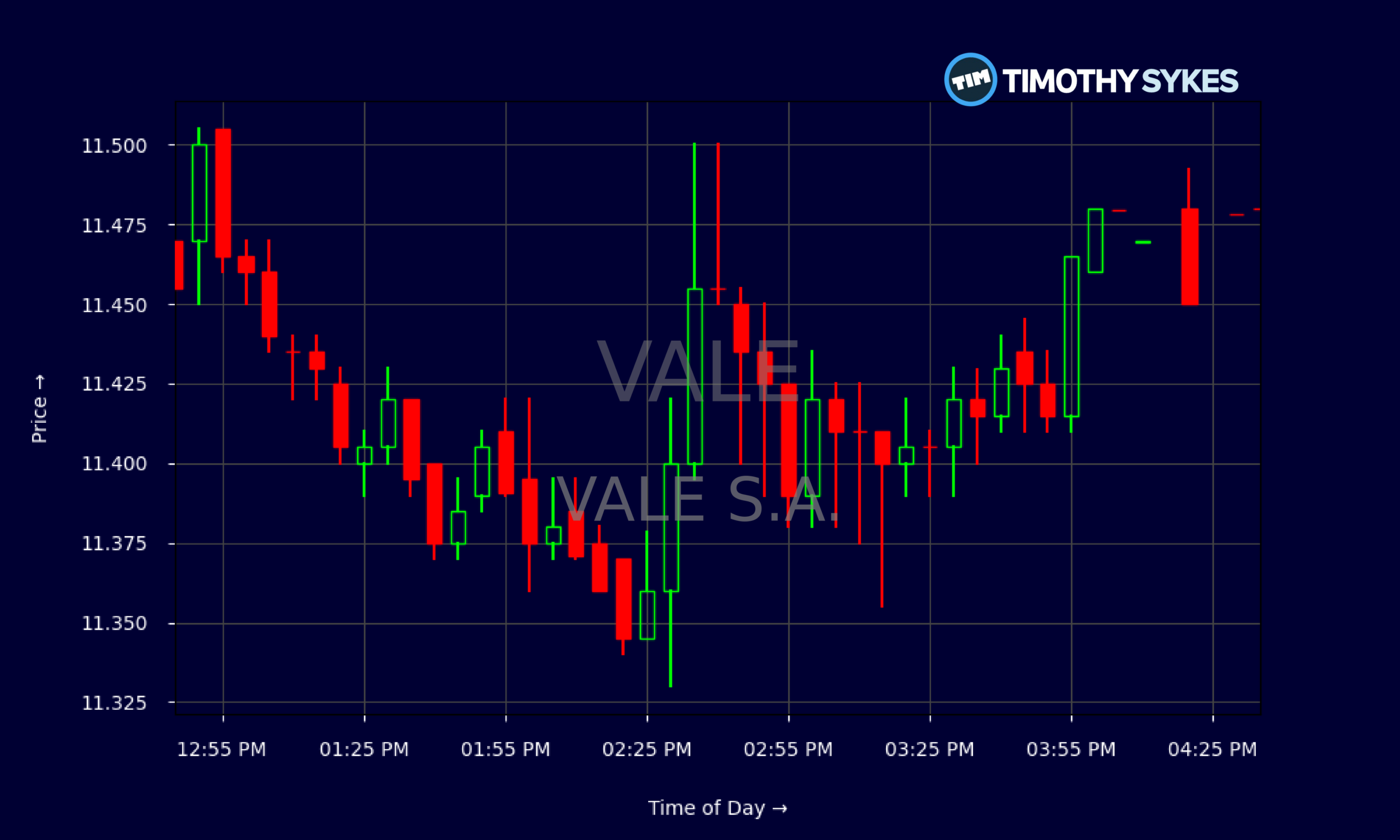
Live Update At 16:47:14 EDT: On Wednesday, October 28, 2026 VALE S.A. stock [NYSE: VALE] is trending down by -3.15%! Discover the key drivers behind this movement as well as our expert analysis in the detailed breakdown below.
Quick Financial Overview
VALE S.A. has been grinding lower on the chart, and the price action shows it. In mid-October, VALE traded near $14.70–$14.80. Since then, the stock has slid to around $11.47, with a clear short-term downtrend as lower highs keep stacking up. For active traders, that’s a classic sign that supply is in control.
Intraday, VALE has been stuck in a tight range around $11.40–$11.50, with weak bounces getting sold quickly. That kind of choppy, low-range trading often means big money is waiting for new information before taking a strong side.
More Breaking News
On the fundamentals, VALE still throws off serious numbers. Revenue sits near $38.1B, with a pretax profit margin of about 53.7%. Return on equity above 23% and return on assets around 9% show the core business can generate solid profits when conditions cooperate. A dividend yield near 4.6% adds an income angle, backed by roughly $7.4B in cash against $20.6B of long‑term debt. But with a P/E around 24.8 and worries about falling margins, traders are starting to question how much upside they are really paying for right now.
Why Traders Are Watching VALE Price-Target Cuts
Wall Street is quietly taking a step back from VALE, and traders need to pay attention. UBS, Deutsche Bank, and Morgan Stanley all cut their price targets on VALE over the past month, and none of them upgraded their ratings to compensate. That combination — lower targets with Neutral, Hold, or Equal Weight labels — screams “no rush” to the big funds that drive volume.
The latest move from UBS, on 2026/10/21, dropped its VALE target to $14.50 from $15 while keeping a Neutral stance. It is not a downgrade, but it is a message: expectations are slipping, just not fast enough for a panic. A few weeks earlier, Deutsche Bank cut its VALE target to $15 from $16.50 and lowered earnings estimates ahead of Q3 on weaker margin and volume outlooks. When margins and volumes both come under pressure, traders know earnings risk is real.
Morgan Stanley’s cut — to $15.50 from $16.50 — adds another layer. The bank said it prefers precious metals over base metals like copper due to valuation and commodity price risks. That matters for VALE because the stock now fights not just company‑specific concerns, but also a sector rotation away from base‑metal exposure. Put it together and you have a steady drip of caution. Not a crash, but a weight on any attempt VALE makes to bounce. For short‑term traders, that can shape the setup: fading pops rather than blindly chasing strength.
Conclusion
Right now, VALE sits in that tricky zone where the business is still profitable, but the market tone is skeptical. Price is sliding, intraday bounces are weak, and three major banks — UBS, Deutsche Bank, and Morgan Stanley — have all taken the scalpel to their VALE price targets. None of them slapped a Sell on the name, yet they are not willing to endorse aggressive upside either. That “neutral but lower” posture can cap rallies and keep VALE pinned in a range until fresh earnings or macro news hit.
For traders, the message is simple: respect the trend and let the chart confirm any thesis. VALE’s strong return on equity, heavy asset base, and steady dividend mean longer‑term players may stay involved, but short‑term trading is all about momentum and risk control. Support near recent lows around $11.30–$11.40 and resistance up toward $12 and then $13 give clear levels to map entries, exits, and risk.
As millionaire penny stock trader and teacher Tim Sykes, says, “There is always another play around the corner; don’t chase just because you feel FOMO.”. As Tim Sykes likes to say, “The market doesn’t care about your opinion, only your discipline.” VALE is a live example. The story is solid on paper, the headlines are cautious, and the tape is weak. Traders who adapt to that mix — cutting losses fast, sizing smart, and letting price action lead — give themselves the best shot in this kind of grinding, headline‑driven environment. This analysis is for educational and research purposes only and is not trading advice.
This is stock news, not investment advice. Timothy Sykes News delivers real-time stock market news focused on key catalysts driving short-term price movements. Our content is tailored for active traders and investors seeking to capitalize on rapid price fluctuations, particularly in volatile sectors like penny stocks. Readers come to us for detailed coverage on earnings reports, mergers, FDA approvals, new contracts, and unusual trading volumes that can trigger significant short-term price action. Some users utilize our news to explain sudden stock movements, while others rely on it for diligent research into potential investment opportunities.
Dive deeper into the world of trading with Timothy Sykes, renowned for his expertise in penny stocks. Explore his top picks and discover the strategies that have propelled him to success with these articles:
- Penny Stocks Trading Guide
- Best Penny Stocks Under $1 to Buy Today
- Top 8 Penny Stocks to Watch on Robinhood
Once you’ve got some stocks on watch, elevate your trading game with StocksToTrade the ultimate platform for traders. With specialized tools for swing and day trading, StocksToTrade will guide you through the market’s twists and turns.
Dig into StocksToTrade’s watchlists here:





Leave a reply