

SoFi Technologies Inc. stocks have been trading down by -9.06 percent amid heightened concerns over its consumer lending outlook.
Key Takeaways
- Keefe Bruyette Woods cut its SoFi Technologies price target to $15 from $16 and reiterated an Underperform rating.
- The firm flagged fair value accounting dynamics, rising interest rates, and rapid balance sheet growth as drivers of an estimated >$1B Q3 headwind.
- These pressures are expected to push elevated loan growth at SOFI while tightening capital levels, a mix that keeps Wall Street cautious on the stock.
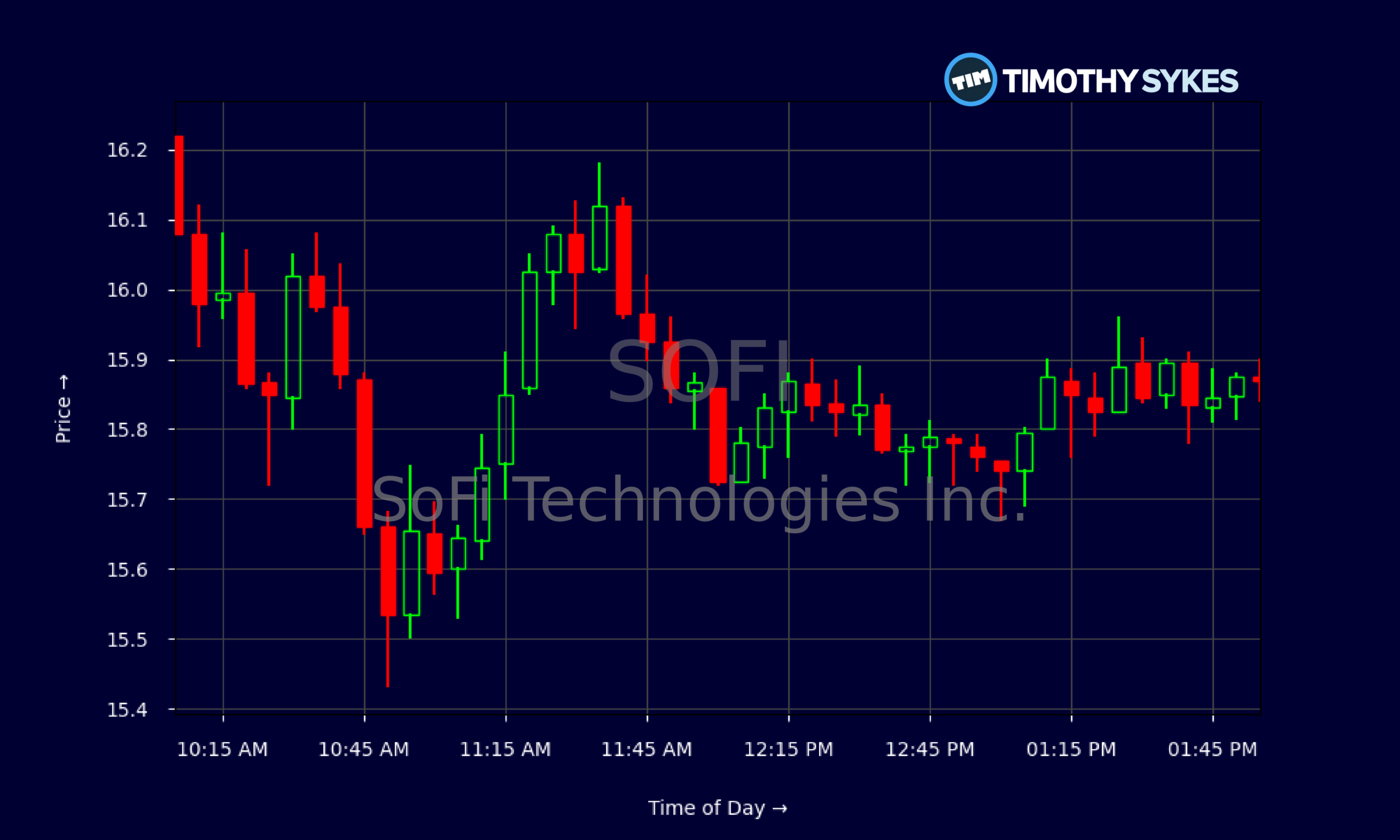
Live Update At 14:02:13 EST: On Thursday, November 05, 2026 SoFi Technologies Inc. stock [NASDAQ: SOFI] is trending down by -9.06%! Discover the key drivers behind this movement as well as our expert analysis in the detailed breakdown below.
Quick Financial Overview
SOFI has been grinding higher for weeks, but the tape is starting to show stress. The daily chart in early 2026/11/05 shows SoFi Technologies swinging from $14–$15 in mid-October up toward the $17s before pulling back to around $15.81. That’s a strong, volatile trend channel. Traders love that, but it cuts both ways.
Over the last several sessions, SOFI pushed as high as $17.74 before failing and closing back under $16. The intraday 5‑minute chart tells the story: early strength above $17 at the open, then a steady fade to the mid‑$15s by the afternoon. That’s classic distribution, with supply overwhelming demand as the day wears on.
More Breaking News
Underneath the chart, the fundamentals of SoFi Technologies look like a high‑growth fintech that is still playing aggressive offense. Revenue over the last year is about $3.61B, growing north of 30% annually. Profit margins are thin but positive, and the price‑to‑earnings ratio near 32 says traders are paying up for that growth. The balance sheet shows solid equity and moderate leverage, but the business model is balance‑sheet heavy, so rising rates and credit risk matter a lot for SOFI.
Why Traders Are Watching SOFI After The Target Cut
Keefe Bruyette Woods just fired a clear warning shot at SoFi Technologies, and short‑term traders need to pay attention. The firm cut its SOFI price target from $16 to $15 and reiterated an Underperform rating. That is not a tweak; it is a reset lower with a bearish label attached.
The core of the call is simple. Analysts see the mix of fair value accounting, rising interest rates, and rapid balance sheet growth creating more than a $1B headwind in Q3 for SOFI. For a company leaning hard into loan growth, that’s like running faster into a stiff wind. The loans grow, but capital cushions get thinner.
SOFI relies on fair value marks for large parts of its lending book. When rates climb, those marks can swing, pushing reported results away from what casual chart watchers expect. Keefe Bruyette is basically saying the accounting plus macro backdrop is working against SoFi Technologies right now, even as the company continues to scale.
For active traders, this sets up a classic sentiment shift. A stock that had momentum into the high teens now has a fresh Underperform stamp and a $15 target hanging over it. If SOFI trades above that target, the street message is “too expensive for the risk.” That often invites short sellers and fast money shorts looking for a fade back toward the new level. On the flip side, if SoFi Technologies flushes hard into the low teens, aggressive dip buyers may try to front‑run any future upgrades. Either way, volatility in SOFI just got more interesting.
Conclusion
SOFI sits at a crossroads where growth, balance‑sheet risk, and sentiment all collide. The latest numbers show SoFi Technologies generating over $1.21B in quarterly revenue with positive net income, improving returns on equity, and rapid expansion in loans and deposits. That’s the bullish story that drove SOFI up toward the $17–$18 zone.
But Keefe Bruyette Woods is reminding the market that the bill for that growth comes due. The new $15 price target, combined with an Underperform rating, signals that at least one major Wall Street shop believes fair value accounting swings, higher rates, and a ballooning balance sheet are serious near‑term headwinds. For traders, this is a textbook “hot growth name meets cold reality” setup.
The playbook now is discipline. Map your SOFI levels, respect the volatility, and do not marry the hype. As Tim Sykes likes to say, “I don’t care how good the story sounds — the only thing that matters is the price action, and you better be ready to cut losses fast.” As millionaire penny stock trader and teacher Tim Sykes, says, “The goal is not to win every trade but to protect your capital and keep moving forward.”. For educational and research‑driven traders studying SOFI, that mindset is crucial. Watch how SoFi Technologies trades around the $15 zone, track any new analyst moves, and let the chart confirm your thesis before you risk real capital.
This is stock news, not investment advice. Timothy Sykes News delivers real-time stock market news focused on key catalysts driving short-term price movements. Our content is tailored for active traders and investors seeking to capitalize on rapid price fluctuations, particularly in volatile sectors like penny stocks. Readers come to us for detailed coverage on earnings reports, mergers, FDA approvals, new contracts, and unusual trading volumes that can trigger significant short-term price action. Some users utilize our news to explain sudden stock movements, while others rely on it for diligent research into potential investment opportunities.
Dive deeper into the world of trading with Timothy Sykes, renowned for his expertise in penny stocks. Explore his top picks and discover the strategies that have propelled him to success with these articles:
- Penny Stocks Trading Guide
- Best Penny Stocks Under $1 to Buy Today
- Top 8 Penny Stocks to Watch on Robinhood
Once you’ve got some stocks on watch, elevate your trading game with StocksToTrade the ultimate platform for traders. With specialized tools for swing and day trading, StocksToTrade will guide you through the market’s twists and turns.
Dig into StocksToTrade’s watchlists here:





Leave a reply