

EPAM Systems Inc. stocks have been trading up by 19.04 percent amid strong investor optimism over its digital transformation growth potential
Key Takeaways
- Guggenheim lifted its price target on EPAM Systems to $160 and kept a Buy rating, highlighting stronger perceived upside for the stock.
- Wells Fargo raised its target to $156 and kept an Overweight call after EPAM beat Q2 expectations, but it trimmed revenue growth assumptions for late 2026.
- Citi boosted its EPAM target to $140 with a Neutral rating, saying AI demand is rising but weak discretionary IT budgets should cap growth acceleration.
- Morgan Stanley also raised its EPAM Systems target to $140 while staying Equal Weight, signaling a more balanced risk‑reward view.
- Multiple Form 4 filings show insider activity in EPAM securities, though the lack of transaction detail keeps the signal neutral for now.
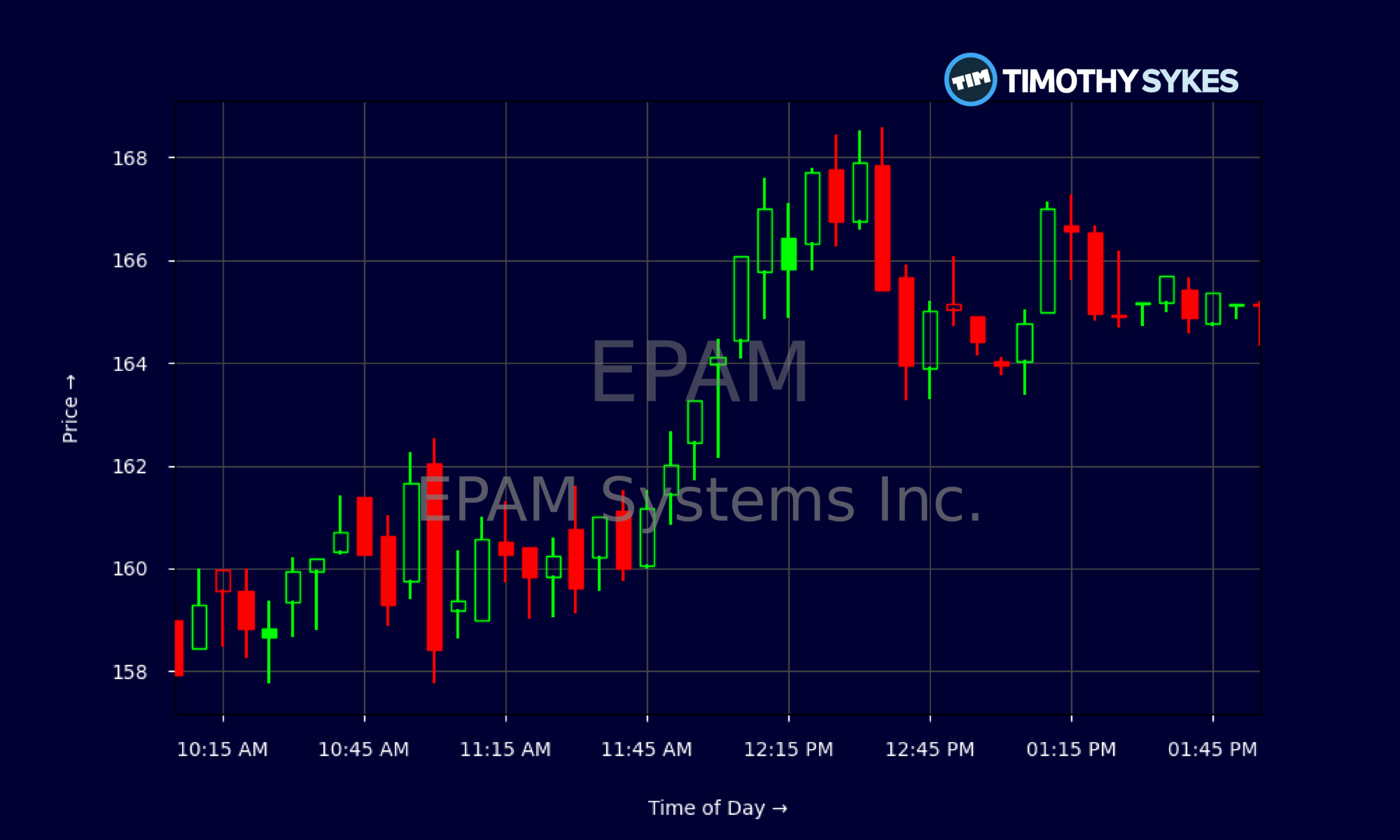
Live Update At 14:02:32 EST: On Thursday, November 05, 2026 EPAM Systems Inc. stock [NYSE: EPAM] is trending up by 19.04%! Discover the key drivers behind this movement as well as our expert analysis in the detailed breakdown below.
Quick Financial Overview
EPAM Systems has been trading like a momentum name again. Over the last few weeks, EPAM ran from roughly $113 on 2026/10/12 to a close near $163.71 on 2026/11/05. That’s a powerful trend, and traders notice when a stock adds about $50 in less than a month.
The daily chart shows steady stair‑step action: higher lows from the $120s to the $160s, with only brief pullbacks. EPAM price action tightened above $150 before breaking out toward the mid‑$160s, which lines up neatly with the fresh Wall Street targets in the $140–$160 range.
Under the hood, EPAM is still a fundamentally solid IT services and software engineering player. Trailing revenue is about $5.46B, with a strong 64.5% gross margin. Net margins are much thinner, around 7.15%, which is normal for a services-heavy model. A price-to-sales ratio near 1.0 and a P/E around 15 suggest EPAM is no longer priced like a hyper‑growth story, but more like a mature compounder.
More Breaking News
Balance‑sheet strength stands out. Debt levels are low, with total debt-to-equity near 0.04 and a current ratio around 2.8. For traders, that means EPAM has room to ride out demand swings without a liquidity scare, keeping the focus on earnings momentum and chart levels rather than survival risk.
Why Traders Are Watching EPAM’s Upgraded Targets
EPAM is back on trading screens because the tape and the Street are finally moving in the same direction. In the span of a few days, Guggenheim, Wells Fargo, Citi, and Morgan Stanley all pushed their EPAM Systems price targets higher. That many firms shifting their numbers at once often acts as fuel for momentum.
Guggenheim now sees EPAM at $160 and slapped a Buy rating on it. That effectively tells the market they believe the recent rally has more room to run. With EPAM already testing the mid‑$160s intraday, traders will watch whether the stock can hold above that $160 “line in the sand” Guggenheim just drew.
Wells Fargo’s move is more nuanced. It raised its EPAM Systems target to $156 and reaffirmed an Overweight stance after Q2 results beat expectations. At the same time, it trimmed organic constant‑currency revenue growth by 125 basis points at the midpoint, citing slower second‑half demand and a softer 2026 trajectory. Translation for traders: execution is strong enough to beat numbers now, but growth is not exploding.
Citi and Morgan Stanley both raised EPAM targets to $140, keeping Neutral and Equal Weight ratings. Their message is clear. EPAM benefits from rising AI-related demand, but weak discretionary IT spending is a governor on acceleration. That’s why you’re seeing higher targets without across‑the‑board bullish ratings.
Meanwhile, EPAM Systems has logged several Form 4 insider filings. Without specifics on whether these were buys or sells, size, or prices, the cleanest read is neutral. Active traders should note the filings but let price, volume, and levels lead.
Conclusion
EPAM Systems is in one of those sweet spots traders love: a strong uptrend, fresh analyst upgrades, and a balance sheet that takes bankruptcy risk off the table. The stock ripped from the low‑$110s to the mid‑$160s while Wall Street dragged its targets up toward $140–$160. That alignment often keeps dip‑buyers interested as long as the trend holds.
The fundamentals behind EPAM support this tone. Revenue of roughly $5.46B, healthy margins for a services business, and double‑digit returns on equity show a company that still knows how to earn. The recent quarter did produce negative free cash flow, but that was driven by working‑capital swings and capital returns, not an operational collapse. Traders should treat that as noise unless it becomes a pattern over multiple reports.
From here, EPAM Systems bulls will focus on two things: whether AI and digital‑transformation work can offset weak discretionary IT budgets, and whether price can stay above former resistance in the $140s–$150s. Bears, meanwhile, will lean on the slower growth outlook flagged by Wells Fargo and the mixed tone from Citi and Morgan Stanley.
Tim Sykes likes to say, “Discipline and risk management are the key to trading success.” As millionaire penny stock trader and teacher Tim Sykes, says, “There is always another play around the corner; don’t chase just because you feel FOMO.”. That mindset fits EPAM perfectly right now. Respect the trend, know your levels, and remember this analysis is for education and research only — not a signal to buy or sell.
This is stock news, not investment advice. Timothy Sykes News delivers real-time stock market news focused on key catalysts driving short-term price movements. Our content is tailored for active traders and investors seeking to capitalize on rapid price fluctuations, particularly in volatile sectors like penny stocks. Readers come to us for detailed coverage on earnings reports, mergers, FDA approvals, new contracts, and unusual trading volumes that can trigger significant short-term price action. Some users utilize our news to explain sudden stock movements, while others rely on it for diligent research into potential investment opportunities.
Dive deeper into the world of trading with Timothy Sykes, renowned for his expertise in penny stocks. Explore his top picks and discover the strategies that have propelled him to success with these articles:
- Penny Stocks Trading Guide
- Best Penny Stocks Under $1 to Buy Today
- Top 8 Penny Stocks to Watch on Robinhood
Once you’ve got some stocks on watch, elevate your trading game with StocksToTrade the ultimate platform for traders. With specialized tools for swing and day trading, StocksToTrade will guide you through the market’s twists and turns.
Dig into StocksToTrade’s watchlists here:





Leave a reply