

Transocean Ltd (Switzerland) stocks have been trading down by -4.09 percent amid bearish sentiment over offshore drilling demand.
Key Takeaways
- Q3 adjusted EPS came in at breakeven versus $0.06 a year ago, pressuring sentiment around RIG despite a steady long‑term outlook.
- Revenue for Transocean missed expectations, and management guided slightly softer near‑term revenue, raising questions about momentum in offshore drilling.
- Adjusted EPS of $0.00 fell short of the $0.02 FactSet consensus, signaling weaker‑than‑expected profitability and setting up RIG for elevated trading volatility.
- Management still points to a broadly flat multi‑year revenue outlook, giving longer‑term RIG bulls a possible anchor despite short‑term headwinds.
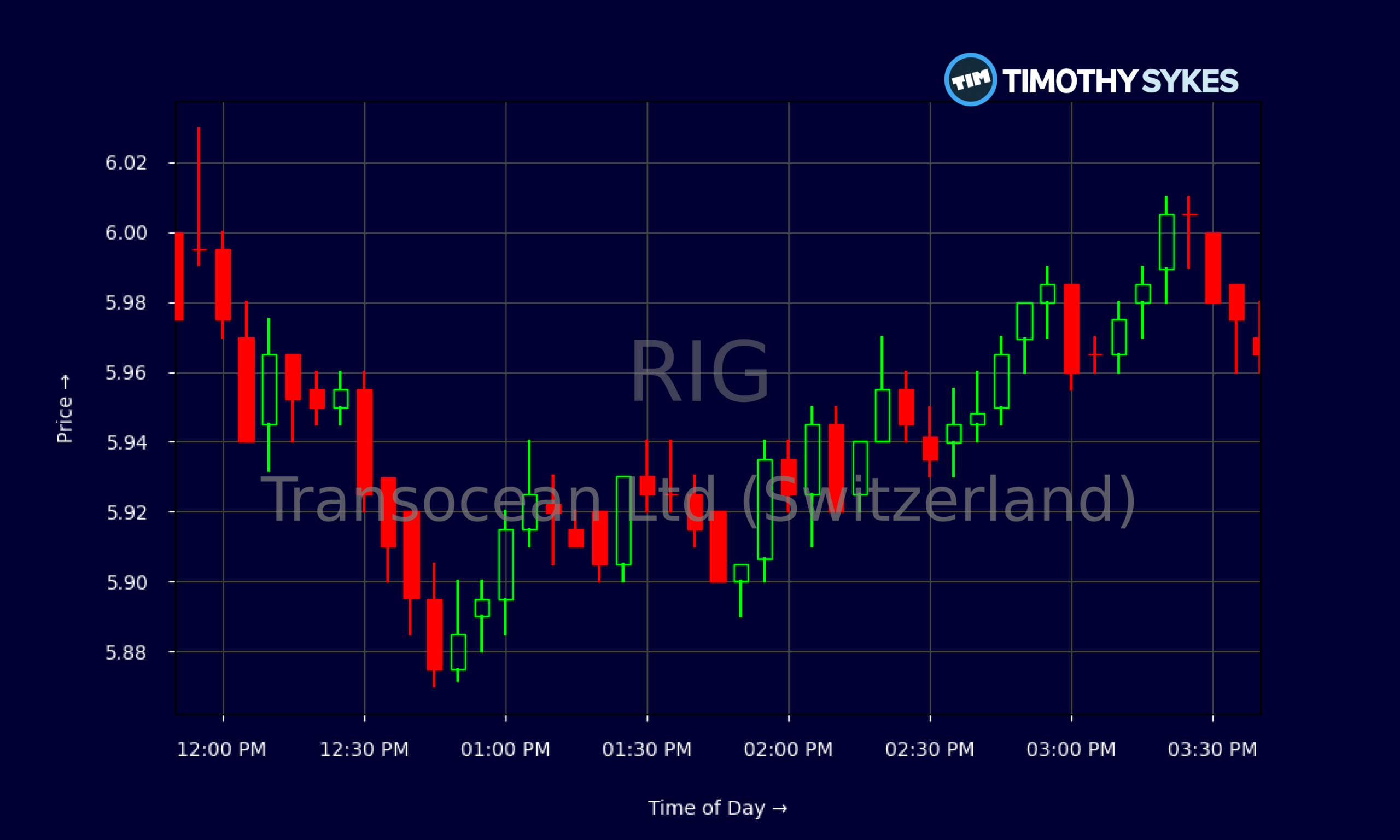
Live Update At 15:46:58 EST: On Tuesday, November 03, 2026 Transocean Ltd (Switzerland) stock [NYSE: RIG] is trending down by -4.09%! Discover the key drivers behind this movement as well as our expert analysis in the detailed breakdown below.
Quick Financial Overview
Transocean Ltd (Switzerland), trading under ticker RIG, is showing a classic tug‑of‑war between improving cash flow and stubborn earnings pressure. On the chart, RIG has pulled back from the $6.70–$7.00 area in late 2026/10 to a recent close around $5.98. That’s a clear fade from recent highs, but not a collapse. It looks like a stock digesting bad news rather than blowing up.
Intraday price action tells the same story. RIG opened near $6.00, briefly pushed above $6.10, then bled down into the high $5.90s, with tight five‑minute candles and small ranges. That’s controlled selling, not panic. Traders leaning on level‑2 and tape action will recognize this as “orderly distribution.”
More Breaking News
Fundamentally, Transocean posted about $3.97B in annual revenue and trades at roughly 1.5x sales, with price‑to‑book under 1. For value‑oriented traders, RIG still looks cheap on assets. But margins are ugly: EBIT margin around -21% and net margins near -40% show the core business is still fighting to reach consistent profitability. Debt is meaningful but not extreme, with total debt‑to‑equity around 0.6 and a current ratio of 1.6, so near‑term liquidity appears manageable. For traders, that mix screams “turnaround story with headline risk.”
Why Traders Are Watching RIG After Q3 Miss
RIG is back in play because the latest Q3 numbers disappointed just enough to shake confidence, but not enough to kill the longer‑term story. Transocean reported adjusted EPS at breakeven, down from $0.06 a year earlier. That is a sharp step back in profitability, especially after the offshore drilling cycle finally started to recover. At the same time, management missed revenue expectations and guided slightly softer near‑term revenue. For short‑term traders, that combination is a clean bearish catalyst.
On top of that, adjusted EPS of $0.00 missed the already modest FactSet consensus of $0.02. When a company can’t clear a low bar, traders pay attention. It suggests RIG’s operating leverage is still working against the stock, and that any hiccup in day‑rate or utilization flows straight to the bottom line.
Yet Transocean also emphasized a “broadly flat” multi‑year outlook. That matters. It tells swing traders that, despite near‑term chop, management sees the underlying contract backlog as stable. For RIG, which runs capital‑intensive rigs and long‑term contracts, that kind of visibility can eventually support a re‑rating once margins improve.
Right now the chart reflects that tension. RIG has moved from the mid‑$5s up toward $7.00 over the past few weeks, then faded after earnings back below $6.00. Trend traders will see this as a test of support in the $5.70–$5.90 zone. A clean breakdown there on volume could attract shorts pressing the earnings‑miss theme. A hold and reclaim of $6.30–$6.50, especially if RIG headlines stabilize, could draw in dip buyers betting on that flat multi‑year outlook.
Conclusion
For active traders, RIG is a classic “bad news, not fatal news” setup. Transocean’s Q3 adjusted EPS miss to $0.00 versus the $0.02 consensus, plus weaker near‑term revenue guidance, clearly hit confidence. That’s why RIG is trading under recent highs and why the intraday tape shows steady selling. The market wanted proof of accelerating profitability; it got a stall instead.
But this isn’t a bankruptcy‑style chart or a broken balance sheet. Transocean still throws off solid operating cash flow — roughly $236M last quarter and about $212M in free cash flow — and carries a current ratio around 1.6. Price‑to‑book under 1 suggests traders are not paying up for those assets. The company’s message of a broadly flat multi‑year outlook means the backlog is still doing its job, even if margins lag.
That gap between weak earnings now and potential stability later is exactly where short‑term trading edges live. RIG will likely stay headline‑driven as the market digests these Q3 numbers and waits for signs of margin repair.
As Tim Sykes always says, “React to the market, don’t predict it.” As millionaire penny stock trader and teacher Tim Sykes, says, “Cut losses quickly, let profits ride, and don’t overtrade.” For RIG, that means letting the price action around support, resistance, and future earnings updates guide your trading plan, instead of falling in love with a story. This article is for educational and research purposes only and is not investment advice.
This is stock news, not investment advice. Timothy Sykes News delivers real-time stock market news focused on key catalysts driving short-term price movements. Our content is tailored for active traders and investors seeking to capitalize on rapid price fluctuations, particularly in volatile sectors like penny stocks. Readers come to us for detailed coverage on earnings reports, mergers, FDA approvals, new contracts, and unusual trading volumes that can trigger significant short-term price action. Some users utilize our news to explain sudden stock movements, while others rely on it for diligent research into potential investment opportunities.
Dive deeper into the world of trading with Timothy Sykes, renowned for his expertise in penny stocks. Explore his top picks and discover the strategies that have propelled him to success with these articles:
- Penny Stocks Trading Guide
- Best Penny Stocks Under $1 to Buy Today
- Top 8 Penny Stocks to Watch on Robinhood
Once you’ve got some stocks on watch, elevate your trading game with StocksToTrade the ultimate platform for traders. With specialized tools for swing and day trading, StocksToTrade will guide you through the market’s twists and turns.
Dig into StocksToTrade’s watchlists here:





Leave a reply