
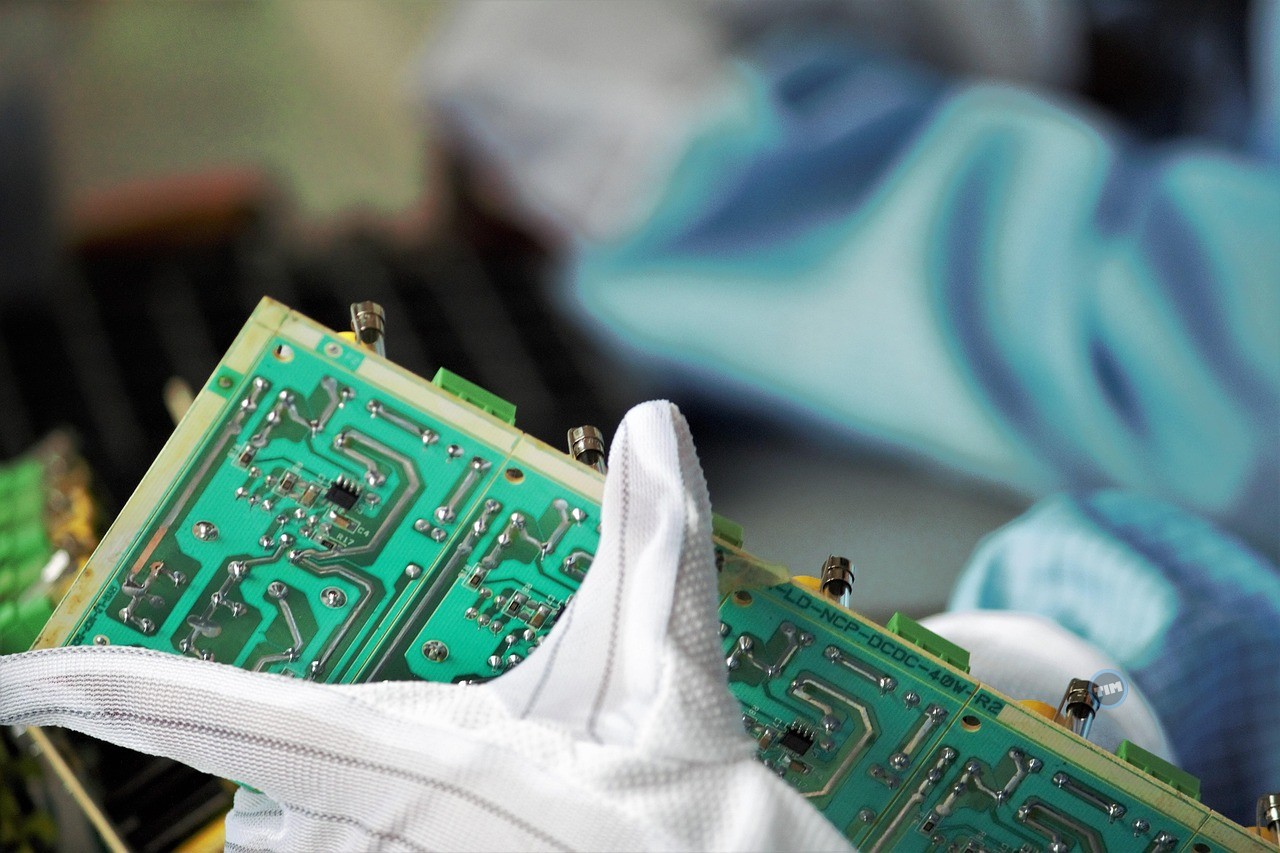
SK hynix Inc. stocks have been trading up by 2.84 percent on strong optimism over memory chip demand and AI growth
Key Takeaways
- Rosenblatt says the SKHY-led memory selloff after CXMT’s DDR5 news is overdone and argues DRAM demand is structurally improving.
- Samsung and SK hynix plan China fab upgrades for advanced chips but must clear U.S. export controls.
- SKHY jumped over 3% premarket on reports of China NAND upgrades aimed at surging AI demand and China’s YMTC.
- Shares sank more than 4% after CXMT touted a new 4F2 data‑center DRAM design, stoking tech‑gap fears.
- A 10% ASML spare‑parts price hike from 2027 looms as a long‑term cost headwind for SKHY.
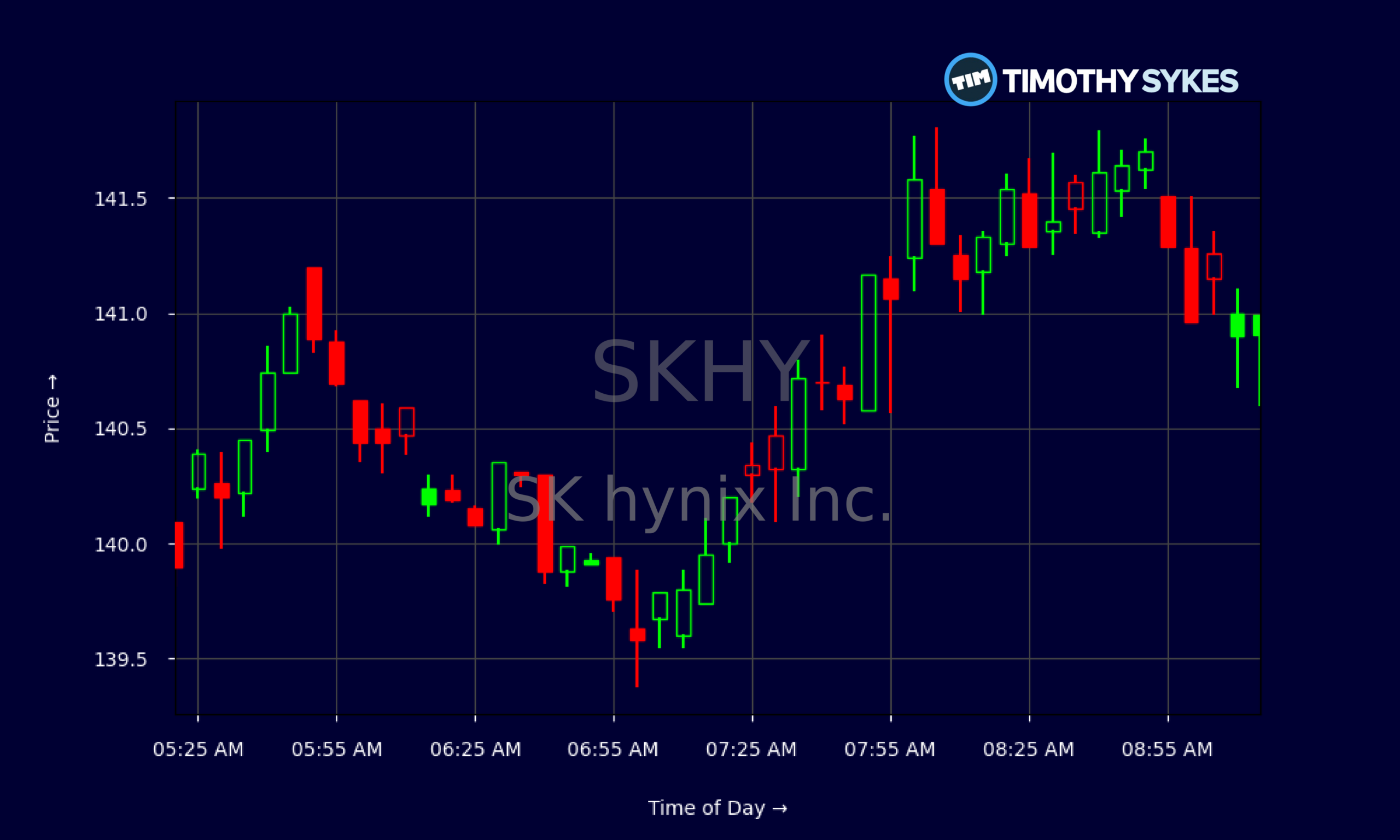
Live Update At 09:19:31 EDT: On Monday, October 26, 2026 SK hynix Inc. stock [NASDAQ: SKHY] is trending up by 2.84%! Discover the key drivers behind this movement as well as our expert analysis in the detailed breakdown below.
Quick Financial Overview
SKHY has been on a wild ride. In early October it was trading near $195, and by the most recent close it sat around $137. That’s roughly a 30% slide in just a few weeks, with several wide‑range days on the way down. For active traders, that kind of range is both opportunity and danger.
The daily chart shows SKHY breaking from the $190s, then failing to hold support in the $170s and $160s before flushing into the low $140s and now the high $130s. Bounces have been short‑lived. The pattern is classic momentum unwind after a crowded run.
Zooming into the intraday tape, SKHY is now coiling tightly around $140 with 5‑minute candles stuck in a narrow band between roughly $139.5 and $141.7. That tells traders selling pressure has cooled for the moment, but conviction on the long side is still weak.
More Breaking News
Fundamentals paint a different picture. SK hynix is generating roughly ₩97.1T in annual revenue, with SKHY trading at a low price‑to‑earnings ratio near 3.8 and a rich price‑to‑sales multiple above 17. Return on invested capital above 70% and solid equity of over ₩120T back the idea that the core business is strong, even if the stock is correcting hard. For traders, that mix often sets the stage for sharp sentiment reversals.
Why Traders Are Watching SKHY Right Now
SKHY is sitting at the intersection of three powerful forces: AI demand, China geopolitics, and rising competition from Chinese chipmakers. That mix is exactly why SKHY has become a go‑to trading vehicle in the chip space.
On the bullish side, reports that SK hynix and Samsung are upgrading their China plants to pump out more advanced NAND to serve AI data‑center demand lit a fire under the stock, sending SKHY more than 3% higher premarket on 2026/10/21. Traders see SKHY as an AI infrastructure play; every headline tying its fabs to AI‑grade memory capacity feeds that narrative and fuels sympathy momentum across the group.
Rosenblatt’s call adds another tailwind. The firm argues the selloff in memory names after CXMT’s next‑gen DDR5 RDIMM announcement is overdone, reiterating a positive stance on SK hynix and saying the market is overstating near‑term competitive risk while underestimating a structurally tighter DRAM market. For SKHY traders, that’s a clear message: panic selling on CXMT headlines looks more emotional than analytical.
But the tape also shows how fragile sentiment is. SKHY dropped more than 4% when CXMT touted a 4F2 data‑center DRAM design and again when SK hynix sought U.S. approval for China equipment exports, sliding over 7% premarket on 2026/10/15. Add U.S. export controls to the mix — any delay in licenses for those China fab upgrades becomes instant headline risk.
Cost structure is another slow‑burn issue. SK hynix agreeing to a 10% price increase on ASML spare parts from 2027 signals higher long‑term opex tied to EUV and DUV tools. In a tight DRAM and NAND cycle, SKHY can likely pass some of that on through pricing. In a down cycle, those higher fixed costs bite, and traders will be fast to punish any margin slippage.
Conclusion
For active traders, SKHY is a real‑time case study in how fundamentals, news flow, and macro risk collide on the chart. The company’s balance sheet is hefty, its DRAM and NAND franchises sit right in the middle of the AI build‑out, and one major Wall Street house is effectively saying the CXMT‑driven selloff went too far. That backdrop matters when you see SKHY 30% off recent highs and coiling around $140.
At the same time, SKHY is not a quiet swing. China is both a growth engine and a regulatory minefield. The push to upgrade SK hynix factories on the mainland, the need for U.S. equipment licenses, and the new U.S. fab plan all mean geopolitics can move SKHY several percentage points in a single headline. Competitive noise from CXMT and looming ASML cost hikes only add more catalysts.
That’s why discipline is everything here. Traders in the Tim Sykes community focus on exactly these kinds of volatile names but follow a strict playbook — as Tim often says, “I’m not here to be right, I’m here to protect my trading account by cutting losses quickly.” As millionaire penny stock trader and teacher Tim Sykes, says, “Be patient, don’t force trades, and let the perfect setups come to you.”. SKHY fits that mindset perfectly: a liquid, news‑driven semiconductor leader with big upside swings and equally sharp drawdowns. For traders who study the chart, respect the risk, and stay nimble, SKHY remains one of the most instructive tickers on the screen right now.
This is stock news, not investment advice. Timothy Sykes News delivers real-time stock market news focused on key catalysts driving short-term price movements. Our content is tailored for active traders and investors seeking to capitalize on rapid price fluctuations, particularly in volatile sectors like penny stocks. Readers come to us for detailed coverage on earnings reports, mergers, FDA approvals, new contracts, and unusual trading volumes that can trigger significant short-term price action. Some users utilize our news to explain sudden stock movements, while others rely on it for diligent research into potential investment opportunities.
Dive deeper into the world of trading with Timothy Sykes, renowned for his expertise in penny stocks. Explore his top picks and discover the strategies that have propelled him to success with these articles:
- Penny Stocks Trading Guide
- Best Penny Stocks Under $1 to Buy Today
- Top 8 Penny Stocks to Watch on Robinhood
Once you’ve got some stocks on watch, elevate your trading game with StocksToTrade the ultimate platform for traders. With specialized tools for swing and day trading, StocksToTrade will guide you through the market’s twists and turns.
Dig into StocksToTrade’s watchlists here:




Leave a reply