
SK hynix Inc. stocks have been trading up by 3.18 percent amid bullish sentiment on booming AI memory demand.
Key Takeaways
- Rosenblatt says the selloff in memory names after CXMT’s DDR5 news is overdone and backs SK Hynix on structurally stronger DRAM demand into 2026 and beyond.
- Samsung and SK Hynix plan major China fab upgrades, but U.S. export licenses for critical tools remain the swing factor for execution.
- SK Hynix shares jumped over 3% premarket on reports of China NAND upgrades tied to surging AI-related demand and competition with Yangtze Memory.
- SK Hynix slid more than 4% after rival CXMT touted a DRAM breakthrough, underscoring how fragile sentiment is around data center chips.
- A 1.34% SK Group stake sale to a Michael Dell-linked fund pressured SK Hynix even though the deal leaves day‑to‑day operations unchanged.
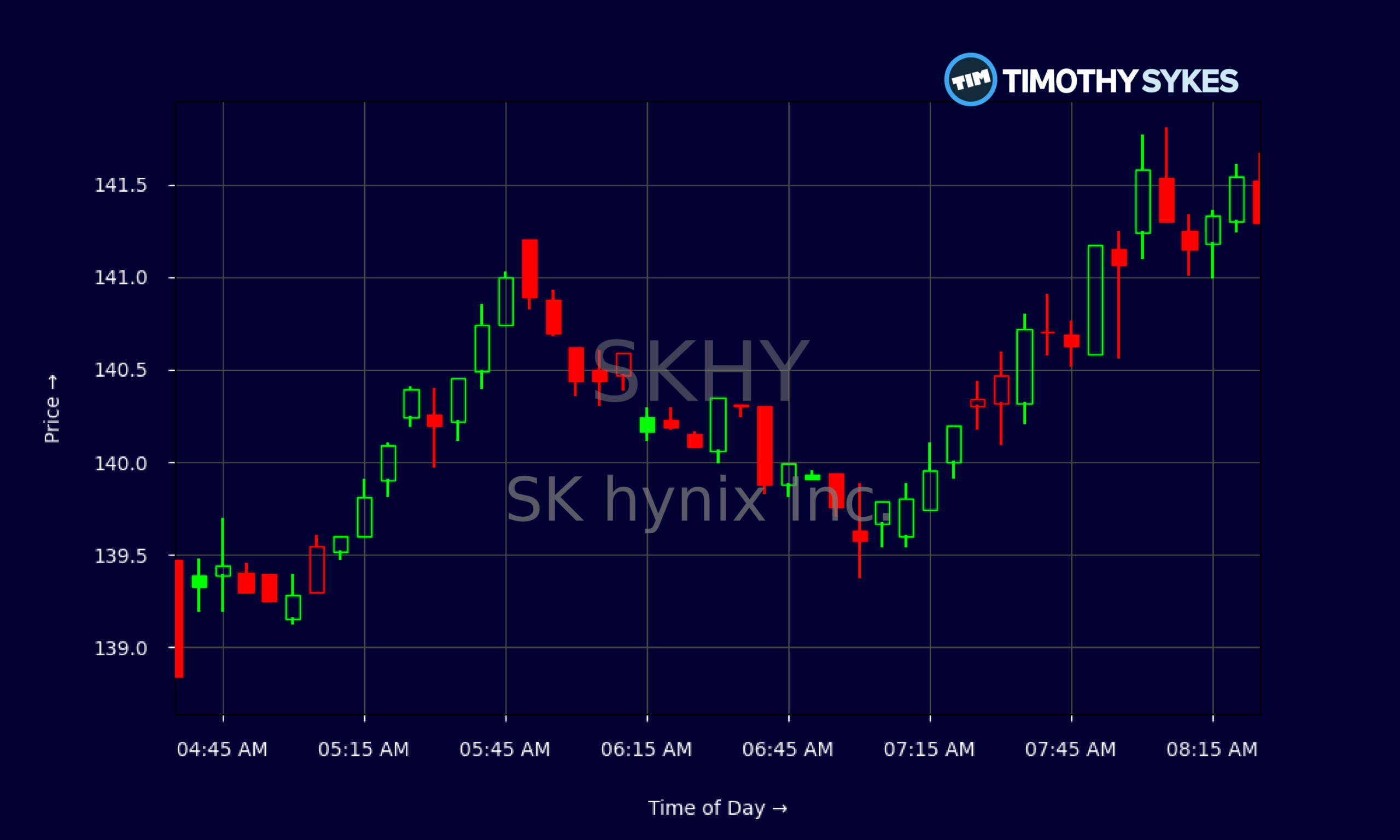
Live Update At 08:32:49 EDT: On Monday, October 26, 2026 SK hynix Inc. stock [NASDAQ: SKHY] is trending up by 3.18%! Discover the key drivers behind this movement as well as our expert analysis in the detailed breakdown below.
Quick Financial Overview
SKHY has been trading like a rollercoaster. In early October it was closing near 195, and by 2026/10/23 it had slid to about 137. That’s a sharp correction of roughly 30% in a few weeks, a move active traders watch closely for both breakdowns and snapback bounces.
The daily chart shows SKHY failing near 195 on 2026/10/05–10/02, rolling over, then accelerating lower after mid‑month China headlines. Recent candles between 136 and 147 mark a new trading range, with 130–135 as a key support zone and 145–150 as near‑term resistance. In premarket 5‑minute action, SKHY is chopping tightly around 140–141, signaling indecision after heavy selling.
More Breaking News
Under the hood, SK hynix prints about ₩97.1T in revenue and trades at a low-looking P/E near 3.8, plus a rich price‑to‑sales above 17 and price‑to‑book around 13.7. That combo tells traders the market already prices in strong earnings power and a big AI memory upcycle. A leverage ratio around 1.5 and sizable cash pile backstop the balance sheet, but SKHY still needs sustained DRAM and NAND pricing to justify those rich sales and book multiples.
Why Traders Are Watching SKHY So Closely
SKHY is sitting right at the crossroads of three powerful themes: AI demand, China risk, and headline‑driven volatility. That’s a prime recipe for day traders and swing traders who live on fast moves.
On the bullish side, Rosenblatt is pushing back against panic. The firm argues that the selloff tied to Chinese rival CXMT’s next‑gen DDR5 RDIMM, targeted for year‑end 2026, has gone too far. In plain English, CXMT’s product is still years from mass impact, while DRAM demand is structurally improving now. For traders, that’s a clear message: the latest flush in SKHY may be more emotion than fundamentals.
At the same time, SK hynix and Samsung are doubling down on China fabs. Reports show both are upgrading those plants to pump out more advanced NAND and DRAM, aiming to feed surging AI‑related demand and blunt Yangtze Memory’s rise. That news alone sent SK Hynix shares up more than 3% premarket on 2026/10/21, proving that SKHY gets rewarded whenever the market sees it leaning hard into the AI memory cycle.
But this isn’t a straight‑line bullish story. U.S. export controls hang over every China upgrade plan. SK hynix is seeking Washington’s approval to ship advanced equipment into China while simultaneously preparing a U.S. factory build‑out. When traders see headlines about license risk, SKHY gets hit; one report knocked the stock more than 7% premarket. Add CXMT’s DRAM “breakthrough” and traders have reacted by slamming first and asking questions later, even though Rosenblatt says the threat is over‑priced in.
On top of that, cost pressures and governance noise muddy the tape. SK hynix agreed to a 10% price hike from 2027 on ASML spare parts, which means fatter operating costs down the road. And SK Group chairman Chey Tae‑won’s sale of a 1.34% stake in the parent to a Michael Dell‑linked fund has weighed on sentiment around SKHY, despite no direct operational hit. It’s classic overhang: traders see “insider selling” tied to a divorce settlement and mark the whole complex down.
Conclusion
For active traders, SKHY is a textbook example of how narrative, news, and numbers collide in real time. The chart says one thing: a high‑momentum leader just pulled back hard from 195 to the mid‑130s, landing in a wide volatility box. The newsflow says something else: SK hynix still sits at the center of the AI memory boom, is upgrading fabs in China, and faces a genuine but not immediate threat from CXMT.
The key is separating structural drivers from short‑term noise. Structurally, DRAM and NAND demand linked to AI data centers look strong, and Rosenblatt’s stance that the CXMT‑driven selloff is overdone reinforces that view. Short term, SKHY will likely stay sensitive to every headline on U.S. export licenses, China capacity, and any hint of tech progress at Chinese rivals.
This is where the Tim Sykes‑style playbook comes in: “Cut losses quickly, but also don’t be afraid to come back to a former runner when the chart and the news line up again.” As millionaire penny stock trader and teacher Tim Sykes says, “Consistency is key in trading; don’t let emotions dictate your trades.” SKHY fits that mold right now. The stock has range, real catalysts, and real risks. For traders using it as a case study, the lesson is clear—respect the volatility, let the news move the chart, and always trade a plan. This content is for educational and research purposes only and is not trading advice.
This is stock news, not investment advice. Timothy Sykes News delivers real-time stock market news focused on key catalysts driving short-term price movements. Our content is tailored for active traders and investors seeking to capitalize on rapid price fluctuations, particularly in volatile sectors like penny stocks. Readers come to us for detailed coverage on earnings reports, mergers, FDA approvals, new contracts, and unusual trading volumes that can trigger significant short-term price action. Some users utilize our news to explain sudden stock movements, while others rely on it for diligent research into potential investment opportunities.
Dive deeper into the world of trading with Timothy Sykes, renowned for his expertise in penny stocks. Explore his top picks and discover the strategies that have propelled him to success with these articles:
- Penny Stocks Trading Guide
- Best Penny Stocks Under $1 to Buy Today
- Top 8 Penny Stocks to Watch on Robinhood
Once you’ve got some stocks on watch, elevate your trading game with StocksToTrade the ultimate platform for traders. With specialized tools for swing and day trading, StocksToTrade will guide you through the market’s twists and turns.
Dig into StocksToTrade’s watchlists here:



Leave a reply