

Tesla Inc. stocks have been trading up by 2.46 percent amid bullish sentiment on accelerating EV demand and AI initiatives.
Key Takeaways For TSLA Traders
- Q3 saw 1.74 million active Full Self-Driving subscriptions, signaling powerful software-based, recurring revenue momentum for TSLA.
- Major Wall Street firms raised or reaffirmed bullish TSLA targets after Q3 beats on EPS and free cash flow, despite a brief post-earnings pullback.
- Energy storage demand is exploding, with Megapack capacity nearly sold out through 2027 and a Texas Megafactory targeting 50 GWh plus U.S.-built LFP cells.
- Autonomous growth is accelerating as Cybercab fleets scale in Austin, Dallas launches next month, and unsupervised FSD for customer cars is targeted around Q2 next year.
- European traction remains strong, with new Tesla registrations up 78.6% year over year in September, far ahead of the broader EU auto market.
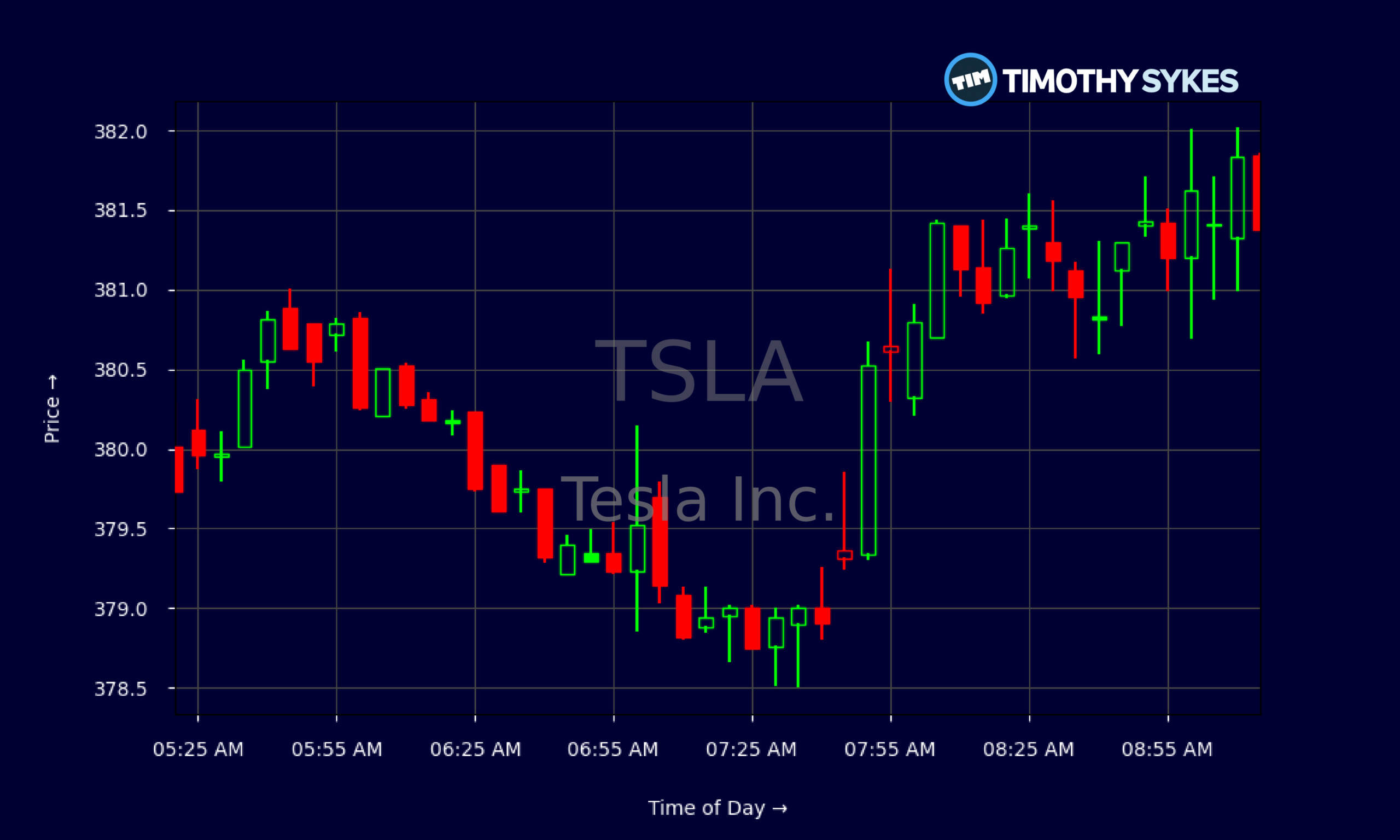
Live Update At 09:19:21 EDT: On Monday, October 26, 2026 Tesla Inc. stock [NASDAQ: TSLA] is trending up by 2.46%! Discover the key drivers behind this movement as well as our expert analysis in the detailed breakdown below.
Quick Financial Overview
TSLA’s recent tape tells a story of resilience with a bullish lean. Over the last few weeks, Tesla stock has mostly held in the mid‑$360s to high‑$380s, with closes clustering around $370–$380. That’s classic consolidation after a big run, and traders should recognize it as a “catch your breath” zone rather than a breakdown.
Daily chart data show TSLA bouncing from about $354 on 2026/10/16 to the high $380s before easing back toward $372.22 most recently. Range is tightening, which often sets up the next big move. Intraday, the 5‑minute action around $379–$382 shows calm, liquid trading with very small swings — a sign that big players are comfortable transacting size here.
Under the hood, Tesla printed roughly $28.0B in Q3 revenue with about $5.5B in gross profit and a 5.4% EBIT margin. Profit margins are not huge yet, but they sit on top of a massive $94.8B trailing revenue base and strong balance sheet metrics like low debt to equity (0.19) and nearly $19.0B in cash.
More Breaking News
For active traders, that mix — thick liquidity, solid balance sheet, and a tight, coiling range — makes TSLA one of the most technically tradable large caps on the board.
Why Traders Are Locked In On TSLA Momentum
The real story driving TSLA right now is not just cars. It’s software, autonomy, and energy.
Tesla reported 1.74 million active Full Self‑Driving subscriptions in Q3. For traders, that number screams “recurring revenue.” FSD is high‑margin software layered on top of existing hardware, which means every incremental subscriber can add more to profit than a new car sale. That’s the kind of leverage the market often rewards with rich price‑to‑earnings multiples.
On the autonomy side, Tesla is pushing hard. Management says robotaxi and fully autonomous miles are scaling exponentially, with a tenfold increase in the Cybercab fleet in Austin in about a month. Next step: launching Cybercab service in Dallas next month and targeting 24/7 city rollout with initial Cybercab deliveries by year‑end. TSLA also aims for unsupervised FSD eligibility for customer cars around Q2 next year via its V15 release, with geofencing and fleet‑management tools built in.
Meanwhile, TSLA’s energy arm is turning into a second engine. The company sees record demand and backlog for Energy Storage, led by Megapack. The CEO reports 2027 capacity is almost sold out, while Texas Megafactory production ramps toward 50 GWh. Rising data‑center power needs and domestic LFP cells in Nevada‑built Megapacks create a strong, long‑tail growth story tied to AI infrastructure.
Layer on top the 78.6% jump in European registrations to 45,866 units in September, and TSLA is not trading like a tired auto name. It’s trading like a multi‑pronged growth platform.
Conclusion
For shorter‑term TSLA traders, the backdrop is unusually aligned. Fundamentals just surprised to the upside on EPS and free cash flow. Cantor Fitzgerald reaffirmed its Overweight call with a $485 target, while Piper Sandler lifted its target to $475. Canaccord moved to $442 and talks about TSLA as a Berkshire‑style physical‑tech conglomerate powered by AI and connectivity. RBC stays Outperform, leaning into FSD traction and Cybercab scaling through 2030.
At the same time, the stock has digested those upgrades with only a modest, roughly 3% after‑hours dip on earnings — more about expectations after a SpaceX call than Tesla weakness. Q3 vehicle deliveries did slip 2% year over year, and that matters for near‑term numbers. But the market’s focus is shifting toward high‑margin software, robotaxis and Megapack visibility that already stretches out to 2027.
The key for traders is to respect both the hype and the risk. Headlines around a potential Tesla–SpaceX merger committee, next‑gen flying‑style Roadster tech, and unsupervised FSD timelines can spark violent intraday moves. As Tim Sykes likes to say, “The pattern is your edge, but only if you stay disciplined and cut losses quickly when the story or the chart breaks.” As millionaire penny stock trader and teacher Tim Sykes says, “Embrace the journey, the ups and downs; each mistake is a lesson to improve your strategy.”
TSLA now trades where big long‑term narratives and short‑term volatility collide. For active traders who study the chart, track the news, and treat it strictly as an educational and research case study — not as investment advice — Tesla remains one of the purest momentum classrooms in the market.
This is stock news, not investment advice. Timothy Sykes News delivers real-time stock market news focused on key catalysts driving short-term price movements. Our content is tailored for active traders and investors seeking to capitalize on rapid price fluctuations, particularly in volatile sectors like penny stocks. Readers come to us for detailed coverage on earnings reports, mergers, FDA approvals, new contracts, and unusual trading volumes that can trigger significant short-term price action. Some users utilize our news to explain sudden stock movements, while others rely on it for diligent research into potential investment opportunities.
Dive deeper into the world of trading with Timothy Sykes, renowned for his expertise in penny stocks. Explore his top picks and discover the strategies that have propelled him to success with these articles:
- Penny Stocks Trading Guide
- Best Penny Stocks Under $1 to Buy Today
- Top 8 Penny Stocks to Watch on Robinhood
Once you’ve got some stocks on watch, elevate your trading game with StocksToTrade the ultimate platform for traders. With specialized tools for swing and day trading, StocksToTrade will guide you through the market’s twists and turns.
Dig into StocksToTrade’s watchlists here:




Leave a reply