

Diamondback Energy Inc. stocks have been trading up by 4.27 percent after upbeat shale production and earnings growth forecasts.
Key Takeaways
- Scotiabank started coverage on FANG with an Outperform rating and a $250 target, pointing to strong free cash flow and efficient capital use despite choppy macro conditions.
- Recent Q3 results showed strong realized prices at Diamondback Energy but also sizable hedging losses, which cloud headline earnings quality.
- A wave of target hikes from BMO, Morgan Stanley, Roth, Jefferies, and JPMorgan puts the Street’s mean FANG target near $235–$238 versus a sub-$205 share price.
- Jefferies flagged recent share-price pressure and open questions on SFT, acquisitions, and Barnett assets, even as it underscored Diamondback’s solid fundamentals.
- Director Charles Alvin Meloy sold $6.1M in stock but still controls roughly 788,000 FANG shares, keeping a large economic stake.
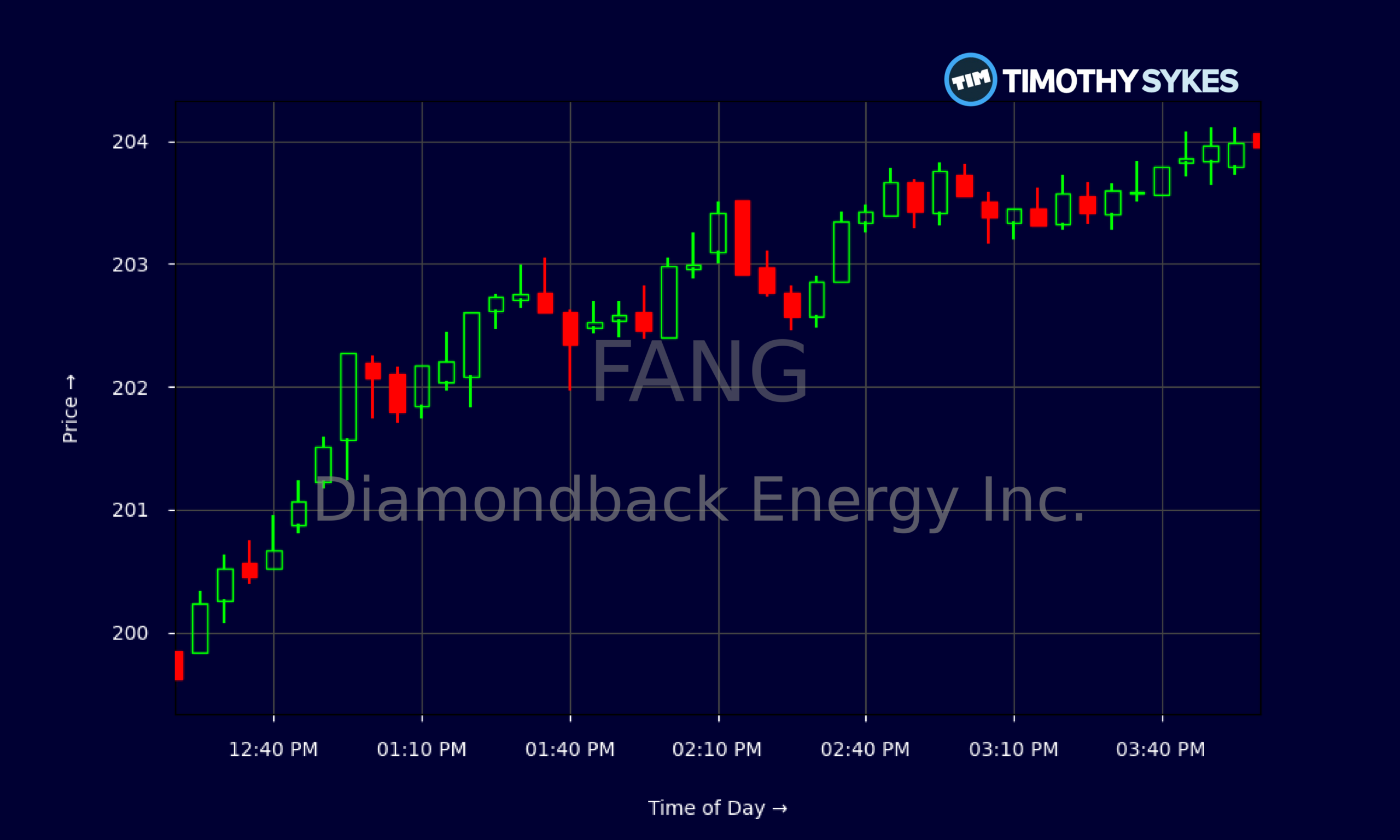
Live Update At 16:46:41 EDT: On Friday, October 16, 2026 Diamondback Energy Inc. stock [NASDAQ: FANG] is trending up by 4.27%! Discover the key drivers behind this movement as well as our expert analysis in the detailed breakdown below.
Quick Financial Overview
Diamondback Energy, trading under ticker FANG, has been grinding higher on the chart while analysts ratchet up their targets. Over the past few weeks, FANG has pushed from the mid-$180s to a recent close near $203.95, with multiple tight-range days showing steady dip-buying rather than wild swings.
Daily data show FANG repeatedly bouncing off the low-$190s and holding higher lows, a classic uptrend structure that short-term traders watch closely. Intraday, the 5‑minute tape on the latest session shows a slow, controlled move from around $197 at the open toward the $204 area into the close. That’s trending action, not a one-and-done spike.
Under the hood, Diamondback Energy is throwing off serious cash. Quarterly operating cash flow sits around $3.59B with free cash flow of roughly $2.16B. At the same time, the balance sheet shows long-term debt near $11.07B against total assets of about $70.22B and common equity of $37.9B, keeping leverage reasonable for an oil and gas name.
More Breaking News
Valuation-wise, FANG trades at roughly 3.2x sales and about 3.8x cash flow, metrics that many value-conscious traders view as attractive when paired with strong margins and consistent revenue growth.
Why Traders Are Watching FANG Now
FANG is on traders’ screens because Wall Street is lining up behind the story while the stock still trades below consensus targets. Scotiabank just launched coverage on Diamondback Energy with an Outperform rating and a bold $250 price target. The firm called out strong free cash flow yields, attractive valuation multiples, and tight capital efficiency, even with a backwardated oil curve and Middle East risk premium noise hanging over the sector.
That call didn’t happen in isolation. BMO Capital bumped its target on FANG to $224 and kept an Outperform rating. Roth Capital took its target to $223, also highlighting an overweight consensus and an average target of about $237.50. Jefferies raised its target to $215, while Morgan Stanley lifted to $222, and JPMorgan went even higher to $253. Across the board, the mean target clusters around $235–$238 versus a recent trading zone just under $205.
For active traders, that gap is the story. When multiple firms, looking at the same Diamondback Energy numbers, all see double-digit percentage upside, it often pulls in momentum and swing traders hunting trend continuation. At the same time, Jefferies reminded the market that FANG has some overhangs: clarity is still needed on SFT, acquisitions, and Barnett assets, which helps explain pockets of share-price pressure.
Another nuance is operations versus hedging. FANG reported strong Q3 realized commodity prices, which speaks to a well-positioned asset base and good marketing. But the company also disclosed sizable derivative losses, both cash and non-cash. Many experienced traders discount non-cash hits, yet they still watch how hedging impacts reported earnings and future risk management.
Layer on an early-closing mineral and royalty drop-down to Viper Energy and an insider sale from director Charles Alvin Meloy, and traders have plenty of catalysts, both bullish and cautionary, to trade around.
Conclusion
Right now, FANG sits at the crossroads of strong fundamentals, bullish Street calls, and a technically constructive chart. Diamondback Energy is printing billions in operating cash flow, carries moderate leverage, and earns healthy margins, all while trading at valuation multiples that many see as reasonable for a quality Permian producer. The Street’s average target between roughly $235 and $238, with JPMorgan up at $253 and Scotiabank at $250, signals that big desks see more room to run from current trading levels.
But this is never a straight line. Traders still have to weigh the impact of sizable hedging losses, open questions around SFT and potential acquisitions, and how management frames its preliminary 2027 plan with oil back near $100. Any surprise in those long-term capital-return and growth details can move FANG sharply, in either direction.
For day traders and swing traders, that’s opportunity — if you respect the risk. As Tim Sykes likes to say, “Cut losses quickly and never marry a stock.” As millionaire penny stock trader and teacher Tim Sykes, says, “Small gains add up over time; focus on building wealth gradually, not chasing jackpots.” That mindset is especially important when you’re tempted to size up aggressively just because a name like FANG has momentum and strong backing from big firms. With Diamondback Energy, the trend and the analyst community are pointing higher, but the only thing that matters for traders is having a clear plan, defined risk, and the discipline to stick to both.
This is stock news, not investment advice. Timothy Sykes News delivers real-time stock market news focused on key catalysts driving short-term price movements. Our content is tailored for active traders and investors seeking to capitalize on rapid price fluctuations, particularly in volatile sectors like penny stocks. Readers come to us for detailed coverage on earnings reports, mergers, FDA approvals, new contracts, and unusual trading volumes that can trigger significant short-term price action. Some users utilize our news to explain sudden stock movements, while others rely on it for diligent research into potential investment opportunities.
Dive deeper into the world of trading with Timothy Sykes, renowned for his expertise in penny stocks. Explore his top picks and discover the strategies that have propelled him to success with these articles:
- Penny Stocks Trading Guide
- Best Penny Stocks Under $1 to Buy Today
- Top 8 Penny Stocks to Watch on Robinhood
Once you’ve got some stocks on watch, elevate your trading game with StocksToTrade the ultimate platform for traders. With specialized tools for swing and day trading, StocksToTrade will guide you through the market’s twists and turns.
Dig into StocksToTrade’s watchlists here:





Leave a reply