
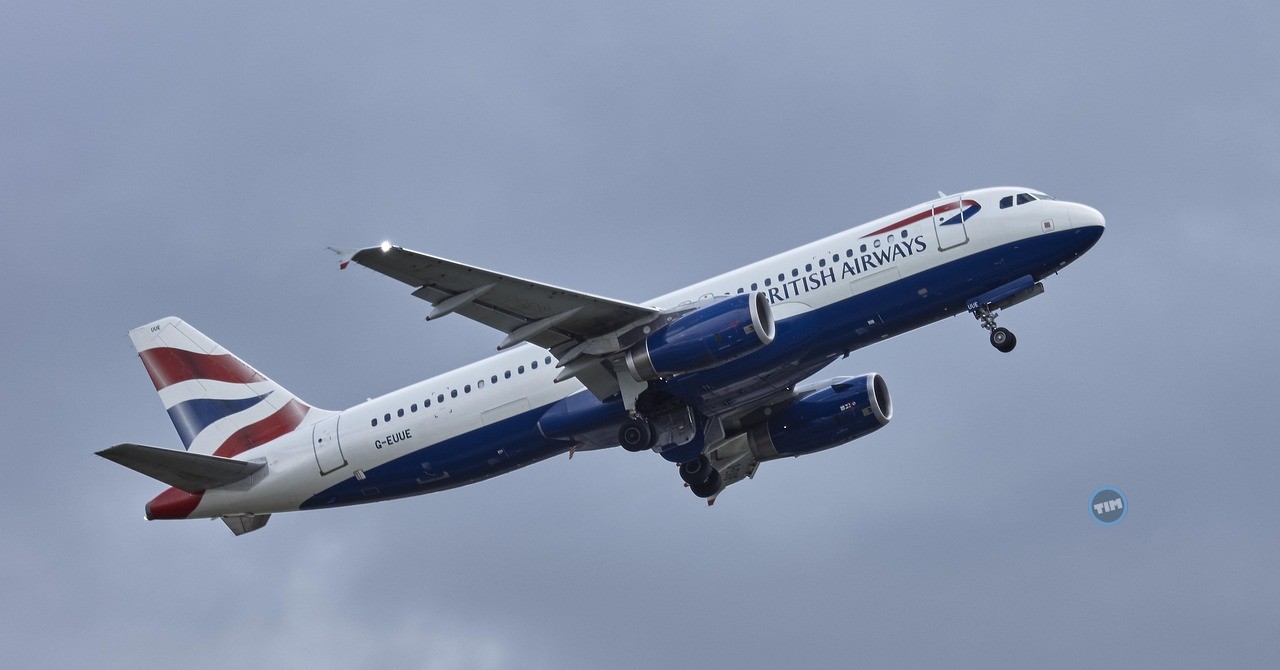
American Airlines Group Inc. gains investor optimism after robust travel demand news, as stocks have been trading up by 3.85 percent.
Key Takeaways For AAL Traders
- Q3 revenue hit a record $16.34B, edging past the $16.21B consensus, while adjusted loss of $0.28 per share beat expectations for a $0.36 loss.
- Fuel expense jumped 67.5% year over year, wiping out much of the benefit from strong demand and pushing American back into the red.
- Co-branded Citi / AAdvantage card spending rose 10% in Q3, and AAL flagged more upside from an expanded Citi partnership.
- From 2027, Citi / AAdvantage Platinum Select and Business cards will add richer earn rates, protections, and perks, alongside an annual fee hike from $99 to $150.
- Morgan Stanley, Freedom Broker, and Bernstein all cut AAL price targets but kept positive ratings, citing strong revenue trends versus stubborn fuel headwinds.
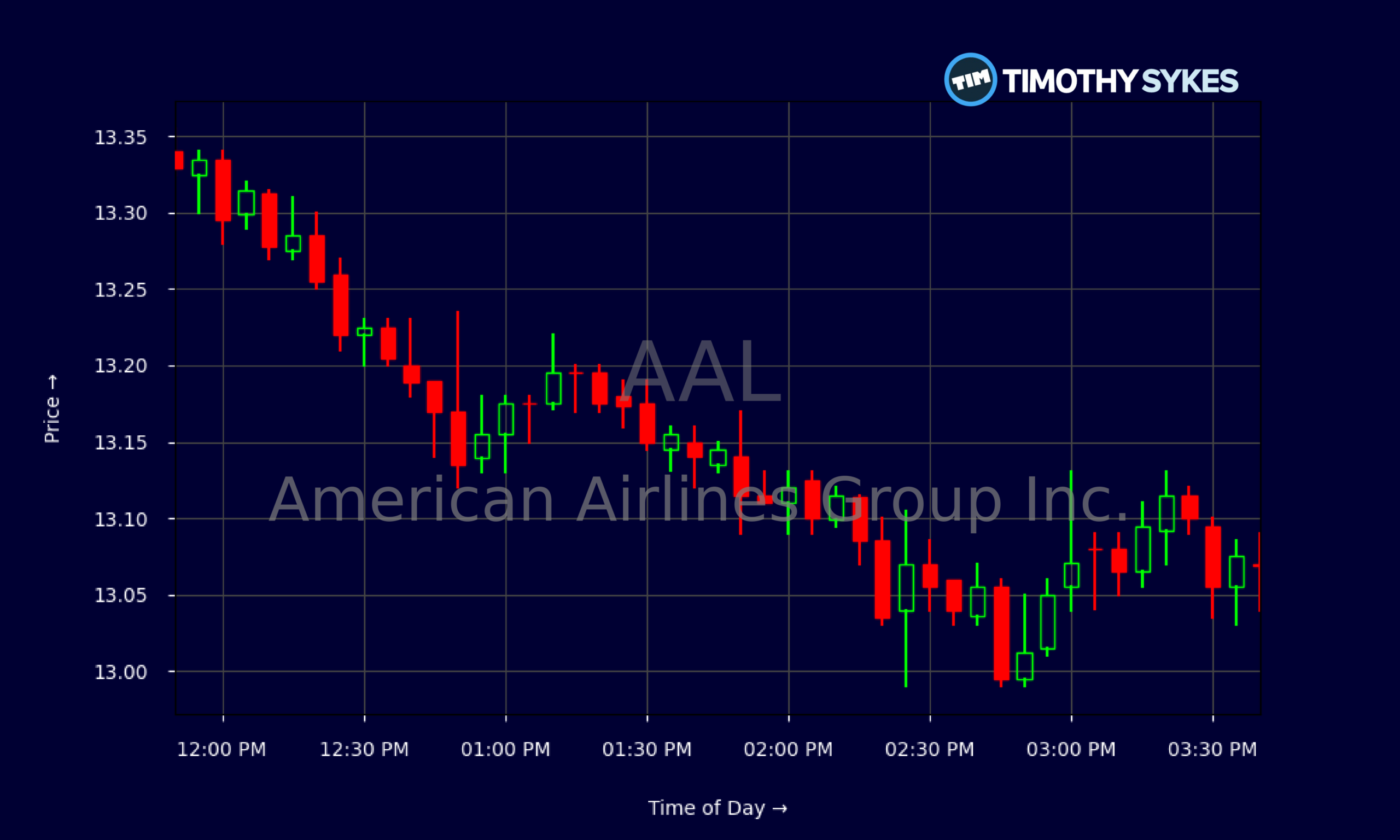
Live Update At 15:47:04 EST: On Monday, November 02, 2026 American Airlines Group Inc. stock [NASDAQ: AAL] is trending up by 3.85%! Discover the key drivers behind this movement as well as our expert analysis in the detailed breakdown below.
Quick Financial Overview
AAL has been grinding higher on the chart, not exploding. Over the past few weeks, American Airlines has climbed from the low $12s to around $13.08, with a recent close near the top of its daily range. That move looks like a slow uptrend rather than a meme-style rip. For short-term trading, AAL is respecting higher lows, with dips toward $12.20–$12.40 getting bought and quick pushes back toward $13.
Intraday action during the latest session reinforces that picture. AAL opened just above $13 and tested down to roughly $12.96, then bounced and spent most of the day grinding between $13.05 and $13.35. The tape shows lots of tight, controlled candles instead of wild spikes, which usually points to steady accumulation and active range trading.
More Breaking News
Fundamentally, American Airlines just printed Q3 revenue of $16.335B and swung a modest adjusted loss of $0.28 per share versus a forecast loss of $0.36. That tells traders the core demand engine is working, even if the income statement is still bleeding from high fuel and heavy debt. With an enterprise value near $37.27B and a price-to-sales ratio around 0.14, AAL screens as a classic low-multiple, high-risk turnaround story that tends to react sharply to any shift in macro headlines or fuel prices.
Why Traders Are Watching AAL Right Now
The latest batch of headlines around AAL gives traders a classic push-pull narrative. On one side, American Airlines is delivering record revenue and modest earnings beats. On the other, soaring fuel and a leveraged balance sheet keep the stock pinned down and range-bound.
Start with earnings. AAL’s Q3 revenue of $16.34B beat consensus and set a new high, while the adjusted per-share loss of $0.28 still topped expectations for a deeper $0.36 loss. Management pointed to strong premium demand and solid commercial execution. For momentum traders, that combination often acts as a floor — the business is not breaking, it is grinding through a bad cost cycle.
But the real villain is fuel. AAL saw fuel expense jump 67.5% year over year, enough to shove the airline back into a loss despite all that revenue. That is why the balance sheet and key ratios matter so much. American Airlines carries roughly $25.94B of long-term debt and a current ratio of just 0.5, with negative book value and thin interest coverage. In plain English, AAL has very little room for error if fuel stays elevated.
Analysts are threading the needle the same way. Morgan Stanley cut its AAL price target from $24 to $22 yet kept an Overweight rating, arguing the Q3 beat was real but growth needs to slow to protect margins. Freedom Broker trimmed its target to $17 while sticking with a Buy, and Bernstein went from $23 to $19 while holding an Outperform, mainly because of a more bearish fuel outlook through 2026. For traders, that setup — lower targets but still bullish ratings — typically means expectations have reset while the demand story remains intact. Any hint of fuel relief or better-than-feared guidance can trigger outsized moves in AAL.
At the same time, the loyalty engine is quietly becoming a bigger driver. American Airlines reported a 10% year-over-year jump in Q3 spending on its Citi co-branded cards and flagged more upside from that ecosystem. That data point matters because AAL’s loyalty and credit card revenue is high-margin and capital-light, unlike adding new aircraft to chase volume.
AAL, Citi, and Mastercard are doubling down on that franchise for 2027. The Citi / AAdvantage Platinum Select and AAdvantage Business cards will roll out richer earn rates on travel and everyday spend, new travel protections, statement credits, and more partner perks. Annual fees go from $99 to $150, a clear attempt to trade up the customer base while boosting economics for both American Airlines and Citi. The stated goal is to deepen cardmember engagement, drive more AAdvantage mileage and Loyalty Points accrual, and improve co-brand profitability.
For traders, this is important long-term context. When management talks about 2027 priorities — improving overall revenue performance and explicitly targeting higher unit revenue — the loyalty and card platform sits at the center. It gives AAL a lever to grow revenue per seat without overflying the market or relying purely on ticket price hikes.
There is even optionality on the M&A front. American Airlines said it will “keep our eyes open” on consolidation, signaling it is at least watching for deals. That is not a trading thesis by itself, but it adds a layer of optional volatility if sector headlines heat up.
Conclusion
Put it all together, and AAL is a classic battleground for active traders. The chart shows a grinding uptrend off the $12 base, with tight intraday ranges and a closing price just over $13 that suggests steady buying rather than blind euphoria. Under the hood, American Airlines is still posting net losses, running with negative equity and heavy leverage, but it is also printing record revenue and beating a low bar on earnings.
The fuel spike is the clear overhang. A 67.5% year-over-year surge in fuel costs is brutal for any airline, and AAL’s thin margins and high debt magnify that pain. That is why brokers like Morgan Stanley, Freedom Broker, and Bernstein are cutting price targets even as they keep Overweight, Buy, and Outperform ratings. They are effectively telling the market that the story is still constructive, but the path is bumpier and more dependent on fuel and capacity discipline.
At the same time, the loyalty and credit card story is giving American Airlines something rare in this space — a structural, higher-margin growth driver that does not require more planes in the air. The 10% jump in Citi / AAdvantage card spend and the 2027 enhancements with Citi and Mastercard point to a tighter, more profitable ecosystem around AAL’s best customers.
For traders, that mix of macro risk, leverage, and underappreciated loyalty upside creates exactly the kind of volatility this community looks for. As millionaire penny stock trader and teacher Tim Sykes, says, “Preparation plus patience leads to big profits.”. As Tim Sykes likes to say, “Volatility is opportunity — if you respect risk, cut losses fast, and never fall in love with a story.” AAL fits that playbook right now, making it a name to watch closely rather than blindly chase.
This is stock news, not investment advice. Timothy Sykes News delivers real-time stock market news focused on key catalysts driving short-term price movements. Our content is tailored for active traders and investors seeking to capitalize on rapid price fluctuations, particularly in volatile sectors like penny stocks. Readers come to us for detailed coverage on earnings reports, mergers, FDA approvals, new contracts, and unusual trading volumes that can trigger significant short-term price action. Some users utilize our news to explain sudden stock movements, while others rely on it for diligent research into potential investment opportunities.
Dive deeper into the world of trading with Timothy Sykes, renowned for his expertise in penny stocks. Explore his top picks and discover the strategies that have propelled him to success with these articles:
- Penny Stocks Trading Guide
- Best Penny Stocks Under $1 to Buy Today
- Top 8 Penny Stocks to Watch on Robinhood
Once you’ve got some stocks on watch, elevate your trading game with StocksToTrade the ultimate platform for traders. With specialized tools for swing and day trading, StocksToTrade will guide you through the market’s twists and turns.
Dig into StocksToTrade’s watchlists here:





Leave a reply