
Cipher Digital Inc. stocks have been trading down by -5.01 percent following reports of a critical cybersecurity breach.
Key Takeaways
- Shares of Cipher Mining (CIFR) dropped 14.5% in one session, closing near $11.12 and signaling aggressive selling pressure.
- The abrupt decline in CIFR reflects sharp negative sentiment and a reset in trader expectations.
- Recent CIFR price action shows a fast slide from the low teens toward the mid‑single digits, confirming heightened volatility.
- Financials for Cipher Mining reveal rapid revenue growth but deep losses and heavy leverage, demanding strict risk control from traders.
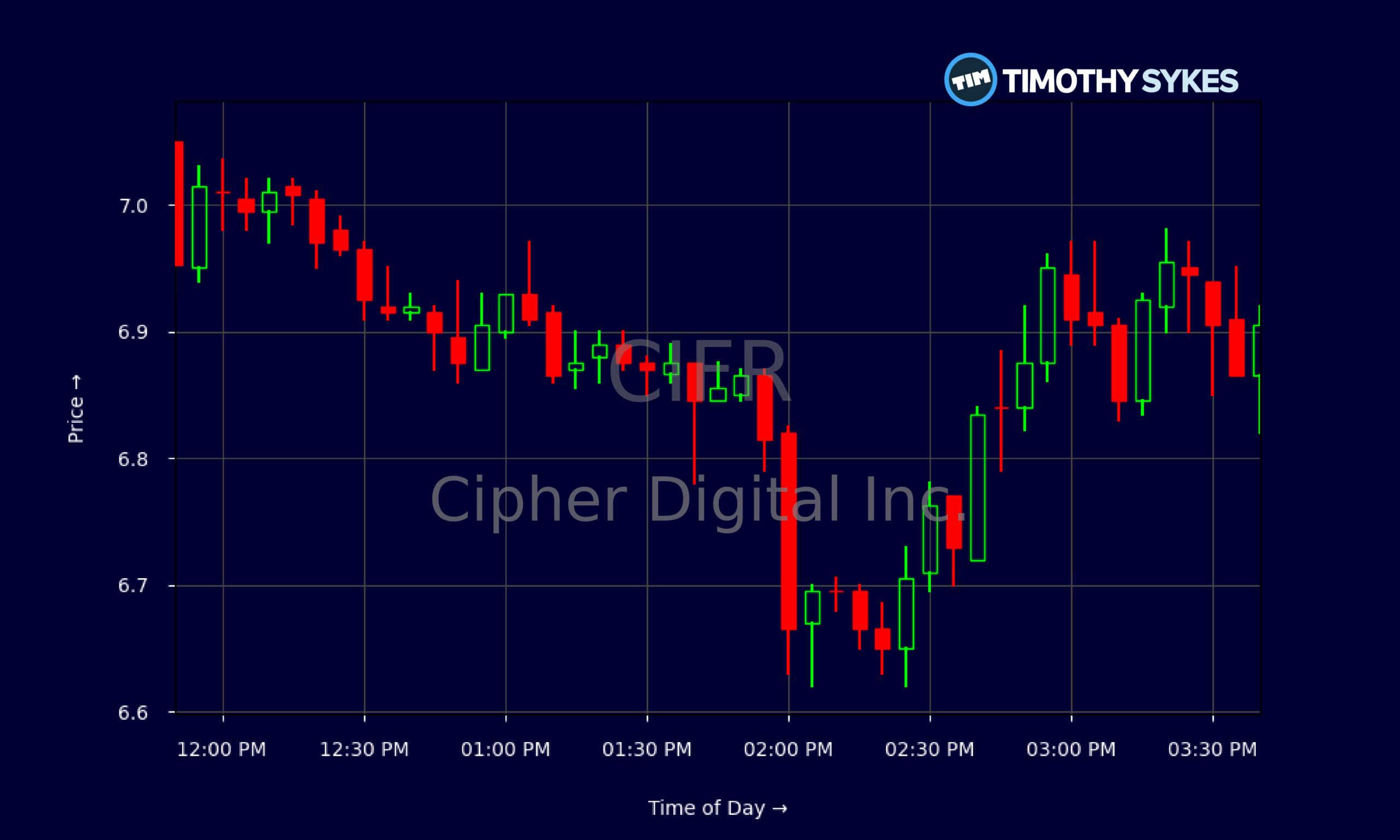
Live Update At 15:46:44 EST: On Monday, November 02, 2026 Cipher Digital Inc. stock [NASDAQ: CIFR] is trending down by -5.01%! Discover the key drivers behind this movement as well as our expert analysis in the detailed breakdown below.
Quick Financial Overview
Cipher Mining, trading under the CIFR ticker, is giving traders a classic high‑beta, high‑risk setup. On the news side, CIFR shares dropped 14.5% in a single session to about $11.12, and the daily chart now shows an even deeper pullback into the high‑$6 range. That is a sharp reset from the recent $13–$14 zone, where CIFR was trading not long ago.
Financially, Cipher Mining is still in “build‑out mode.” CIFR posted about $223.9M in revenue, which is strong top‑line growth, but the company is losing a lot of money to get there. Net income came in around -$267.5M, with EBITDA at roughly -$180.2M. Profit margins are deeply negative, and return on equity for CIFR is heavily in the red.
More Breaking News
The balance sheet is also aggressive. Total assets of about $7.5B sit against total liabilities near $6.9B, and long‑term debt is more than $5.4B. That leverage and negative free cash flow of roughly -$653.8M tell traders one thing: CIFR is a high‑octane name where timing and risk management matter more than anything.
Why Traders Are Watching CIFR Volatility
CIFR is on a lot of screens right now because of how violently it moves. The headline move was that 14.5% single‑session drop to $11.12, which hammered Cipher Mining sentiment and flagged the stock as a volatility hotspot. Since then, the daily chart for CIFR shows a stair‑step decline from the $14 handle down toward the $7 area, with repeated failed bounces along the way.
Look at the recent closes: CIFR was near $13.50–$14.00 on 2026/10/08 and 2026/10/09, then slid to around $11.34 on 2026/10/13. From there, the selling continued, with Cipher Mining closing under $9 a few days later and now printing around $6.92. That is a massive drawdown in a short window, which often attracts day traders and swing traders hunting oversold bounces or short‑term breakdowns.
Intraday, CIFR is trading like a pure momentum vehicle. The 5‑minute candles show a premarket fade from the low‑$7s, an opening flush from $7.36 into the high‑$6s, and then a choppy sideways grind between roughly $6.70 and $7.00 for most of the session. That tells traders two things: there is still liquidity, and both long and short setups are in play if you stay disciplined.
Cipher Mining’s high price‑to‑sales ratio near 29 and price‑to‑book around 10 also tell the story. The market has been willing to pay up for CIFR’s growth narrative, but when sentiment turns, premium names like this can unwind fast. For short‑term traders, CIFR is now a “trade the volatility, not the story” stock.
Conclusion
Cipher Mining and the CIFR ticker are classic examples of why traders must respect risk. A 14.5% single‑day drop to $11.12, followed by a slide into the $6s, shows how quickly sentiment can flip when a richly valued, unprofitable company hits turbulence. CIFR financials confirm the backdrop: strong revenue growth but huge losses, heavy leverage, and negative free cash flow.
That mix fuels big trends in both directions. When risk appetite is strong, CIFR can squeeze hard, as seen when Cipher Mining traded in the mid‑teens. When the market turns defensive, those same traits invite sharp selling and forced de‑risking. For active traders, that means CIFR demands a clear plan: predefined entries, tight exits, and no hesitation when the trade goes against you.
This is exactly the mindset Tim Sykes and Tim Bohen hammer home to their trading communities. As they often say, “The market doesn’t care about your opinion — only your discipline. Respect risk, cut losses fast, and let the best setups come to you.” As millionaire penny stock trader and teacher Tim Sykes, says, “It’s not about how much money you make; it’s about how much money you keep.”. For CIFR and Cipher Mining, that means treating the stock as a trading vehicle, not a hope trade, and letting the chart and volatility guide your next move.
This is stock news, not investment advice. Timothy Sykes News delivers real-time stock market news focused on key catalysts driving short-term price movements. Our content is tailored for active traders and investors seeking to capitalize on rapid price fluctuations, particularly in volatile sectors like penny stocks. Readers come to us for detailed coverage on earnings reports, mergers, FDA approvals, new contracts, and unusual trading volumes that can trigger significant short-term price action. Some users utilize our news to explain sudden stock movements, while others rely on it for diligent research into potential investment opportunities.
Dive deeper into the world of trading with Timothy Sykes, renowned for his expertise in penny stocks. Explore his top picks and discover the strategies that have propelled him to success with these articles:
- Penny Stocks Trading Guide
- Best Penny Stocks Under $1 to Buy Today
- Top 8 Penny Stocks to Watch on Robinhood
Once you’ve got some stocks on watch, elevate your trading game with StocksToTrade the ultimate platform for traders. With specialized tools for swing and day trading, StocksToTrade will guide you through the market’s twists and turns.
Dig into StocksToTrade’s watchlists here:



Leave a reply