

Stellantis N.V. stocks have been trading down by -4.04 percent amid heightened concerns over union negotiations and potential production disruptions.
Key Takeaways
- Unifor declared an impasse in talks with Stellantis over the Brampton plant closure and uncertainty at Windsor and Etobicoke, raising labor disruption risk in Canada ahead of the 2026/09/20 contract expiry.
- Legacy automakers, including STLA, dropped 4–5% after Volkswagen cut its profit outlook, as traders repriced earnings risk amid tariffs, higher costs, and rising Chinese competition.
- Berenberg cut STLA from Buy to Hold and slashed its target to €5.10 from €7.80, pointing to weak earnings visibility, overcapacity, slower margin recovery, and rising US inventories.
- Morgan Stanley downgraded STLA to Underweight from Equal Weight and cut its target to about $5.20 (or €4.50), flagging a lagging product pipeline, weaker cash generation, and refinancing risk.
- Following these downgrades, STLA slipped more than 2%, and the broader Street now sits at an average Hold rating with relatively low mean targets around €5.37 or $6.16.

Live Update At 15:02:45 EDT: On Wednesday, September 23, 2026 Stellantis N.V. stock [NYSE: STLA] is trending down by -4.04%! Discover the key drivers behind this movement as well as our expert analysis in the detailed breakdown below.
Quick Financial Overview
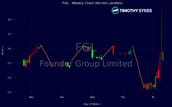
STLA has been grinding lower on the daily chart. Over the last few weeks, Stellantis N.V. slipped from closes around $5.56–$5.49 down to $4.64, giving traders a steady downtrend instead of sharp panic. Bounces have been weak. The stock failed to hold the $5.20–$5.30 area and now trades below $4.70, signaling clear supply overhead.
Intraday, STLA shows tight, sluggish action. The 5‑minute chart on the latest day mostly oscillates between $4.70 and $4.65, with small candles and little range expansion. That tells short-term traders there’s no aggressive dip-buying yet, just slow grinding pressure.
More Breaking News
On the fundamentals, STLA generates massive sales — about $153.5B in revenue — but the market only values it at roughly 0.11 times sales and 0.22 times book value. That kind of discount usually screams “value,” yet management effectiveness metrics look weak, with a negative 1‑year return on invested capital and flat reported returns on assets and equity. The balance sheet shows $31.3B in cash against $31.9B in long-term debt, plus heavy total liabilities of $141.2B, so leverage matters. Traders should treat STLA as a big, slow ship: powerful, but hard to turn once sentiment sours.
Why Traders Are Watching STLA Now
STLA is sitting in the market’s crosshairs because multiple pressure points are hitting at once. First, there’s labor. Unifor’s declaration of an impasse over the Brampton Assembly Plant closure and the uncertainty at Windsor Assembly and Etobicoke Casting puts Stellantis N.V. on a collision path with its Canadian workforce. Talks are paused well ahead of the 2026/09/20 contract expiry, but traders know these headlines rarely disappear quietly. Any perception of future production hiccups or higher labor costs becomes a running overhang on STLA.
Second, the whole legacy auto pack is being repriced. When Volkswagen cut its profit outlook, Ford, General Motors, and Stellantis all fell 4–5% in sympathy. That move wasn’t about a single earnings miss; it was the market recognizing how tariffs, elevated input costs, and sharp Chinese competition compress margins. STLA trades with that group, so even on calm news days, correlation risk is real.
Then the analysts weighed in. Berenberg flipped STLA from Buy to Hold and chopped its target from €7.80 to €5.10, flagging overcapacity, weak earnings visibility, and slower margin recovery, especially with US inventories climbing. That told traders the easy “cheap value” narrative around Stellantis N.V. is fading.
Morgan Stanley went even harder, cutting STLA to Underweight and cutting its target to about $5.20 (or €4.50 on the European line). Their concerns hit where it hurts: a lagging product pipeline, weaker cash generation, and higher refinancing risk. Yes, they mention potential offsets like asset disposals or possible USMCA renegotiation upside, but the market focused on the downgrade. STLA dropped more than 2% on that call, even on light volume. Negative Wall Street narratives are finally sticking.
Conclusion
Put it all together and STLA looks like a classic “value trap or deep value” debate playing out in real time. On paper, Stellantis N.V. has huge revenue, solid cash, and a global footprint. In practice, traders are staring at a stock that continues to leak lower while major brokers shift to Hold and Underweight with price targets clustered around €5.10–€5.37 and roughly $5.20–$6.16. That’s not a setup where the Street is hunting for big upside; it’s a stance of caution.
For active traders, STLA becomes a chart-plus-headlines game. The downtrend from $5.50 to the mid‑$4.60s lines up with the Morgan Stanley and Berenberg downgrades, the sympathy selloff with Volkswagen, and the labor impasse noise out of Canada. Until STLA can reclaim prior support around $5.00–$5.20 on strong volume, rallies are suspect.
This content is for educational and research purposes only, but the trading lessons are clear. You respect the trend, watch key levels, and never marry a story stock. As millionaire penny stock trader and teacher Tim Sykes, says, “It’s not about how much money you make; it’s about how much money you keep.”. As Tim Sykes likes to say, “Discipline beats conviction — cut losses quickly and let the chart prove you right, not your ego.” For STLA, that means staying nimble, reacting to news, and letting price action be the final referee.
This is stock news, not investment advice. Timothy Sykes News delivers real-time stock market news focused on key catalysts driving short-term price movements. Our content is tailored for active traders and investors seeking to capitalize on rapid price fluctuations, particularly in volatile sectors like penny stocks. Readers come to us for detailed coverage on earnings reports, mergers, FDA approvals, new contracts, and unusual trading volumes that can trigger significant short-term price action. Some users utilize our news to explain sudden stock movements, while others rely on it for diligent research into potential investment opportunities.
Dive deeper into the world of trading with Timothy Sykes, renowned for his expertise in penny stocks. Explore his top picks and discover the strategies that have propelled him to success with these articles:
- Penny Stocks Trading Guide
- Best Penny Stocks Under $1 to Buy Today
- Top 8 Penny Stocks to Watch on Robinhood
Once you’ve got some stocks on watch, elevate your trading game with StocksToTrade the ultimate platform for traders. With specialized tools for swing and day trading, StocksToTrade will guide you through the market’s twists and turns.
Dig into StocksToTrade’s watchlists here:




Leave a reply