

Stablecoin Development Corporation stocks have been trading up by 12.37 percent after unveiling a groundbreaking new stablecoin platform.
Key Takeaways
- Stablecoin Development shares jumped 47% in premarket trading, extending a sharp upside move.
- The latest premarket surge builds on a 41% gain in the prior regular session.
- No clear new fundamental catalyst has been cited for SDEV’s back-to-back rally.
- The move turns SDEV into a short-term momentum and volatility hotspot for active traders.
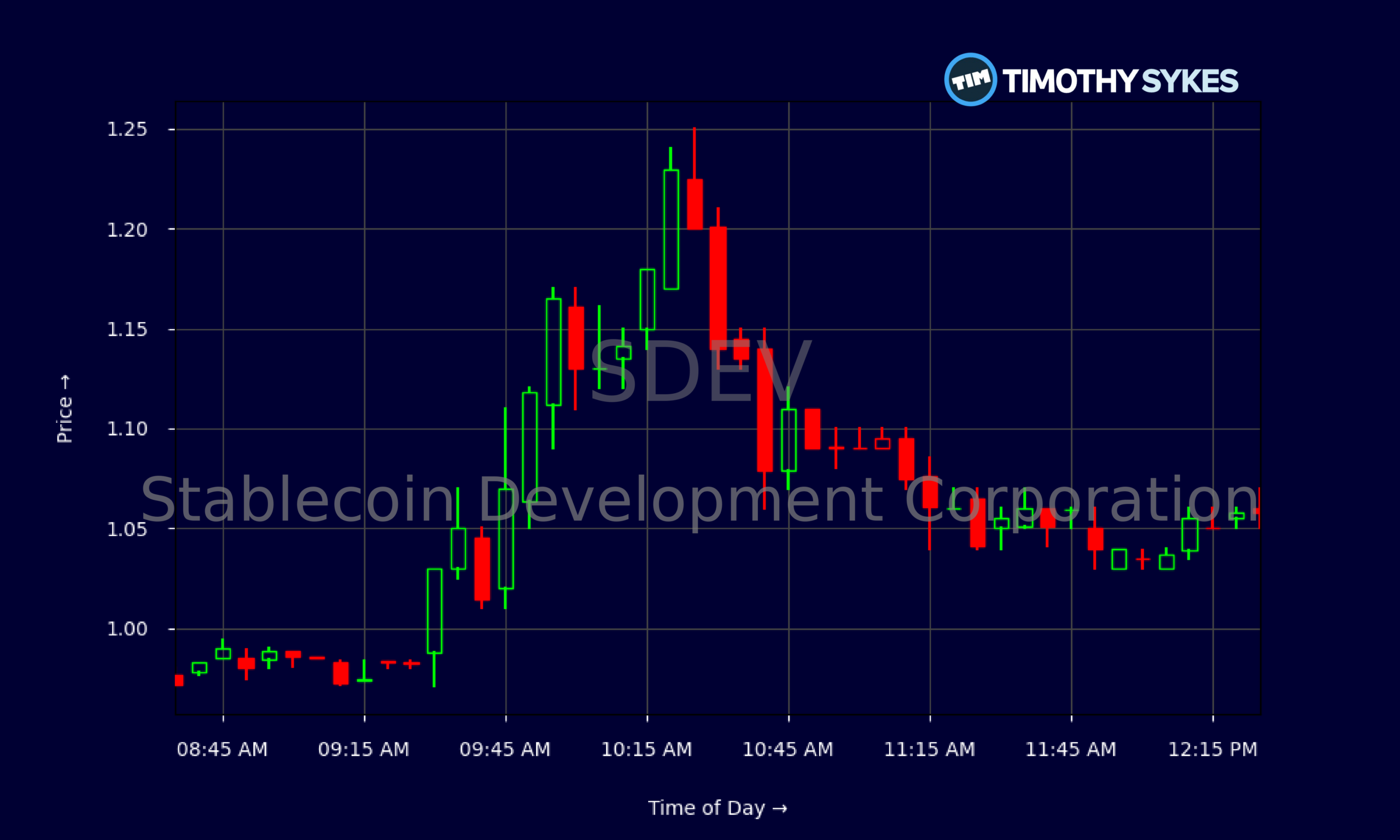
Live Update At 12:32:21 EDT: On Tuesday, October 27, 2026 Stablecoin Development Corporation stock [NYSE American: SDEV] is trending up by 12.37%! Discover the key drivers behind this movement as well as our expert analysis in the detailed breakdown below.
Quick Financial Overview
Stablecoin Development Corporation (SDEV) is trading like a classic low-priced momentum play layered on top of a complex fundamental story. After a brutal slide from a close of $7.48 on 2026/10/02 down to the $1 area in recent sessions, SDEV has suddenly flipped the script with an explosive bounce and a 47% premarket jump following a 41% surge the day before.
Financially, SDEV is not a steady cash machine. In the latest quarter ending 2026/06/30, the company posted just $2.21M in revenue and a net loss of $41.07M. Operating cash flow was negative $5.97M, and free cash flow was also negative, which tells traders the core business is still burning cash.
More Breaking News
At the same time, the balance sheet shows $6.97M in cash and almost no debt, with total liabilities of only $0.27M against $127.51M in assets. Book value per share sits around $2.68, while SDEV trades well below that level after the crash, giving the stock a “discount to book” look at a price‑to‑book ratio of about 0.57. For traders, that mix—weak earnings, strong balance sheet, and heavy volatility—often breeds speculation and short-term opportunity.
Why Traders Are Watching SDEV’s Momentum Burst
SDEV has suddenly become the kind of chart that grabs every momentum trader’s attention. Stablecoin Development Corporation saw its shares jump 47% in premarket trading, on top of a 41% gain in the prior session, without any fresh fundamental catalyst flagged in the news feed. When SDEV moves like that, it usually means one thing: pure supply-and-demand imbalances driven by traders, not long-term fundamentals.
Look at the recent daily price action. Earlier in October, SDEV collapsed from $9.71 to $3.94 in a single day, then continued to bleed down toward $0.83–$1.10. That’s a wipeout of nearly 90% from the early-October highs around $9.71. Sharp collapses like that can leave heavy short interest, trapped longs, and a crowd sitting on the sidelines waiting for any sign of a bounce.
Now the bounce is here. The intraday 5‑minute chart shows SDEV grinding higher from the premarket region around $0.97 toward $1.20 before fading slightly, with tight consolidations and repeated pushes over prior highs. That’s classic day-trading structure: morning spike, pullback, then attempts to reclaim levels as more traders notice the move.
With Stablecoin Development Corporation, the absence of a clear news driver is actually part of the story. When SDEV rips on no catalyst, it tells seasoned traders that algorithms, chat rooms, and short covers might be fueling the fire. That sets up both opportunity and danger—great for nimble traders who cut losses fast, but brutal for anyone who chases blindly and overstays.
Conclusion
Stablecoin Development Corporation has shifted from forgotten penny stock to front-page momentum name almost overnight. SDEV’s 47% premarket surge following a 41% run the prior day is a textbook example of how extreme selling can set the stage for violent short-term reversals. Fundamentally, SDEV is still a cash-burning company with modest revenue and big quarterly losses, but with a relatively clean balance sheet and a market cap far below its stated equity value, traders see room for aggressive speculation.
For short-term players, the key is not falling in love with the story. SDEV’s daily chart shows how quickly a parabolic run can reverse—as seen in the early-October collapse from the $9s to the low single digits. The intraday tape reminds traders to focus on clear levels, volume surges, and failed breakouts, not hope. As millionaire penny stock trader and teacher Tim Sykes says, “You must adapt to the market; the market will not adapt to you.” That mindset is critical when navigating fast-moving names like SDEV.
Tim Sykes always says, “Volatility is opportunity, but only if you respect risk and cut losses quickly.” SDEV is the exact type of stock that quote was made for. Treat Stablecoin Development Corporation as a trading vehicle, not a comfort blanket. Map your levels, size small, move fast, and remember this is educational and research material only—not a signal to buy or sell.
This is stock news, not investment advice. Timothy Sykes News delivers real-time stock market news focused on key catalysts driving short-term price movements. Our content is tailored for active traders and investors seeking to capitalize on rapid price fluctuations, particularly in volatile sectors like penny stocks. Readers come to us for detailed coverage on earnings reports, mergers, FDA approvals, new contracts, and unusual trading volumes that can trigger significant short-term price action. Some users utilize our news to explain sudden stock movements, while others rely on it for diligent research into potential investment opportunities.
Dive deeper into the world of trading with Timothy Sykes, renowned for his expertise in penny stocks. Explore his top picks and discover the strategies that have propelled him to success with these articles:
- Penny Stocks Trading Guide
- Best Penny Stocks Under $1 to Buy Today
- Top 8 Penny Stocks to Watch on Robinhood
Once you’ve got some stocks on watch, elevate your trading game with StocksToTrade the ultimate platform for traders. With specialized tools for swing and day trading, StocksToTrade will guide you through the market’s twists and turns.
Dig into StocksToTrade’s watchlists here:





Leave a reply