

JetBlue Airways Corporation faces mounting regulatory setbacks and route cutbacks, and its stocks have been trading down by -13.71 percent.
Key Takeaways
- Morgan Stanley now sees deeper losses for JetBlue as surging jet fuel prices threaten 2027 capacity and cost targets, even with solid demand and revenue trends.
- Goldman Sachs cut its JetBlue price target from $4.00 to $3.50 and reiterated a Sell rating, underscoring ongoing pessimism on share performance.
- Citigroup upgraded JetBlue from Sell to Neutral but trimmed its price target to $4.50, with the Street still underweight and a mean target of $4.97.
- UBS also moved JetBlue to Neutral from Sell while cutting its target to $3.50, with JBLU trading near $2.98 after a small bounce.
- A recent Form 144 filing points to planned insider selling of JetBlue shares, adding another layer of pressure for JBLU traders.
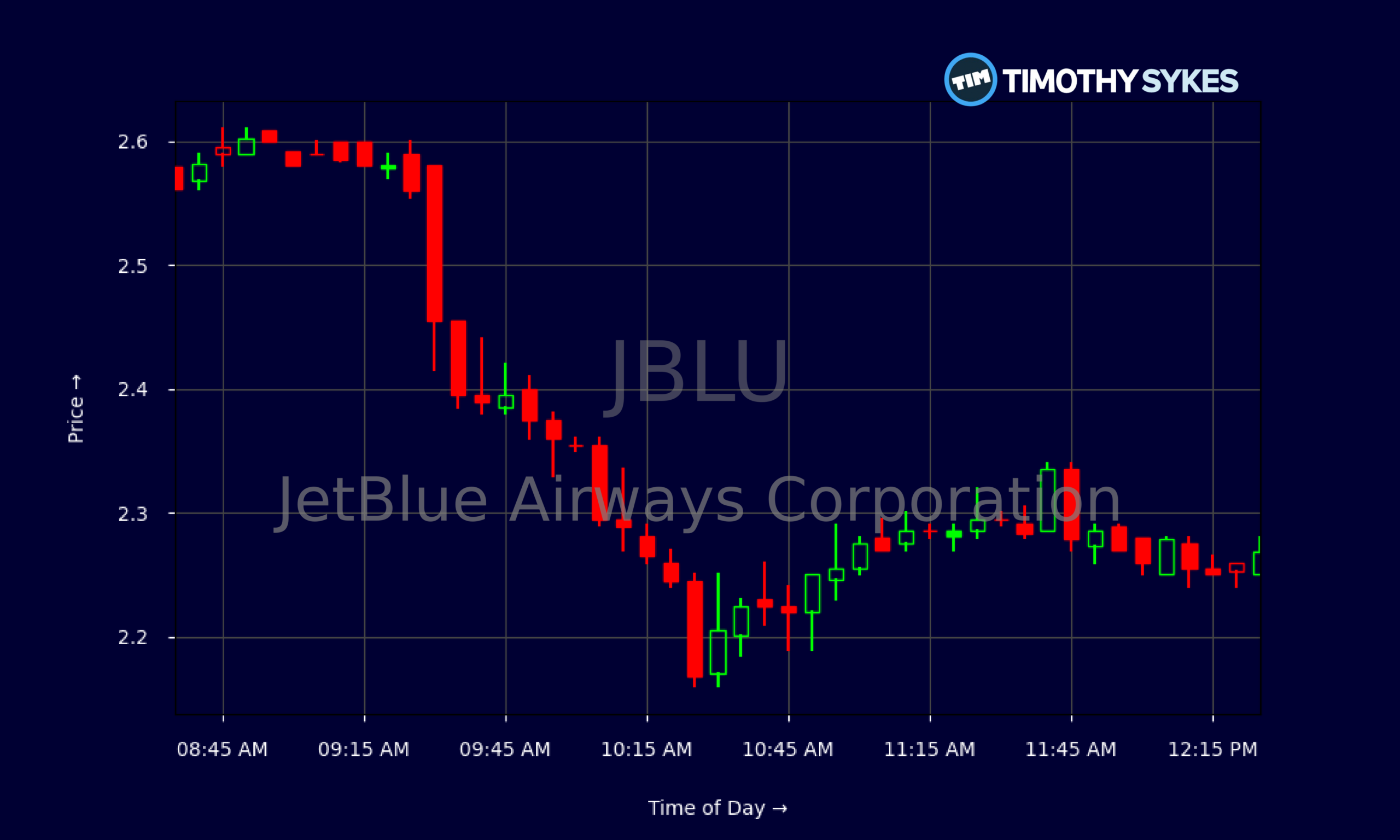
Live Update At 12:32:12 EDT: On Monday, October 26, 2026 JetBlue Airways Corporation stock [NASDAQ: JBLU] is trending down by -13.71%! Discover the key drivers behind this movement as well as our expert analysis in the detailed breakdown below.
Quick Financial Overview
JBLU has been in a sharp downtrend. In early October, JetBlue Airways Corporation was trading near $4.15. Now the stock sits closer to $2.27, a drawdown of around 45% in just a few weeks. For active JBLU traders, that is a classic “falling knife” chart — bounces, but lower highs and lower lows almost every day.
Intraday action tells the same story. JBLU opened around $2.58 and faded steadily toward $2.16 before stabilizing near $2.26. That intraday slide shows sellers in control, with every push higher getting sold into.
More Breaking News
Financially, JetBlue is still fighting heavy turbulence. The latest quarter shows $2.697B in revenue but a net loss of $247M and an operating loss of $141M. Margins are thin to negative: EBIT margin around -4.6% and profit margin near -9%. JBLU carries serious leverage, with total liabilities of about $14.78B against $1.59B of equity and a debt‑to‑equity ratio above 5.9. For traders, that leverage plus negative cash flow (about -$389M in free cash flow last quarter) makes any fuel shock or pricing misstep hit much harder.
Why Traders Are Watching JBLU Now
JBLU is on every airline watchlist because the macro story just flipped from “recovery” to “squeeze.” Morgan Stanley says the real issue is not the next earnings print, but how JetBlue manages capacity and costs after jet fuel effectively doubled from expected levels. For JBLU, higher fuel costs flow straight into that already thin margin profile, threatening the airline’s 2027 capacity and ex‑fuel unit cost goals.
When Delta missed earnings and cut guidance, major U.S. airlines sold off in sympathy. JBLU slipped roughly 1% in pre‑market trading alongside United, American, Southwest, Alaska Air, and SkyWest. That tells traders JetBlue is trading as part of a sector macro trade, not as a standalone story. If energy stays hot, the whole group stays on defense.
Wall Street is re‑marking the stock down in unison. Susquehanna cut its JetBlue target from $6 to $4 with a Neutral rating, flagging unit revenue trends into Q4 as a key risk. BMO trimmed its target from $6.75 to $5.25, citing jet fuel pressure linked to Middle East conflict, even as resilient travel demand allows modest fare hikes.
At the same time, there are signs the worst of the bearish call may be easing. Citigroup upgraded JetBlue Airways from Sell to Neutral, though it lowered its target to $4.50. UBS did the same, moving JBLU to Neutral but cutting its target to $3.50, still just above the roughly $2.98 trading level. That mix tells traders a clear story: at these depressed JBLU prices, some former bears see less obvious downside, but they still do not see a strong upside catalyst.
Add in Goldman Sachs holding a Sell rating with a $3.50 target and a Form 144 showing insider plans to sell JBLU shares, and sentiment remains solidly cautious. For short‑term traders, that combination often creates clean day‑trading ranges but a choppy swing‑trading backdrop.
Conclusion
JBLU now trades like a classic high‑risk turnaround name: heavy debt, negative earnings, rising fuel costs, and a chart in steady decline. JetBlue Airways Corporation is still generating sizeable revenue — more than $9.06B over the trailing period — but those dollars are not translating into sustainable profits yet. When jet fuel spikes, an airline with thin margins and high leverage like JBLU feels it faster and harder than a stronger balance‑sheet carrier.
Analysts are effectively telling the same story with different wording. Morgan Stanley warns of deeper losses and questions long‑term cost targets. Susquehanna and BMO slash price targets but stay middle‑of‑the‑road. Citigroup and UBS walk back their harshest stances, yet still peg JetBlue below prior expectations. Goldman Sachs stays firmly negative. Layer on insider selling signals, and JBLU traders have to assume the burden of proof is on the bull case.
For active traders, that does not mean ignore JetBlue. It means respect the trend, study the levels, and treat every bounce as guilty until proven otherwise. As Tim Sykes loves to remind traders, “Cut losses quickly — always. You can always re‑enter, but you can’t get back a blown‑up account.” As millionaire penny stock trader and teacher Tim Sykes, says, “It’s better to go home at zero than to go home in the red.”. With JBLU, that mindset is not optional; it is survival. This analysis is for educational and research purposes only, and any JBLU trading plan needs strict risk control at its core.
This is stock news, not investment advice. Timothy Sykes News delivers real-time stock market news focused on key catalysts driving short-term price movements. Our content is tailored for active traders and investors seeking to capitalize on rapid price fluctuations, particularly in volatile sectors like penny stocks. Readers come to us for detailed coverage on earnings reports, mergers, FDA approvals, new contracts, and unusual trading volumes that can trigger significant short-term price action. Some users utilize our news to explain sudden stock movements, while others rely on it for diligent research into potential investment opportunities.
Dive deeper into the world of trading with Timothy Sykes, renowned for his expertise in penny stocks. Explore his top picks and discover the strategies that have propelled him to success with these articles:
- Penny Stocks Trading Guide
- Best Penny Stocks Under $1 to Buy Today
- Top 8 Penny Stocks to Watch on Robinhood
Once you’ve got some stocks on watch, elevate your trading game with StocksToTrade the ultimate platform for traders. With specialized tools for swing and day trading, StocksToTrade will guide you through the market’s twists and turns.
Dig into StocksToTrade’s watchlists here:





Leave a reply