

Nokia Corporation Sponsored stocks have been trading up by 6.82 percent following upbeat news on 5G infrastructure contract wins.
Key Takeaways
- Q3 showed 9% net sales growth to €5.15B, beating revenue expectations and expanding Nokia’s comparable operating margin by 220 bps with EPS of €0.09 matching consensus.
- Management guided NOK for powerful Q4 momentum, targeting 20%–24% quarter-on-quarter net sales growth and operating profit above the midpoint of its full-year outlook.
- The company reaffirmed its 2026 operating profit targets and kept a regular €0.03 quarterly dividend in place.
- Rosenblatt and JPMorgan only nudged NOK price targets lower while keeping Buy/Overweight ratings, calling the recent 15% slide an overreaction tied to broader AI-infra volatility.
- Nokia is leaning hard into AI-RAN and data center growth via Nvidia, T-Mobile, SoftBank, and Supermicro partnerships that push AI-enabled radio access networks toward commercial reality.
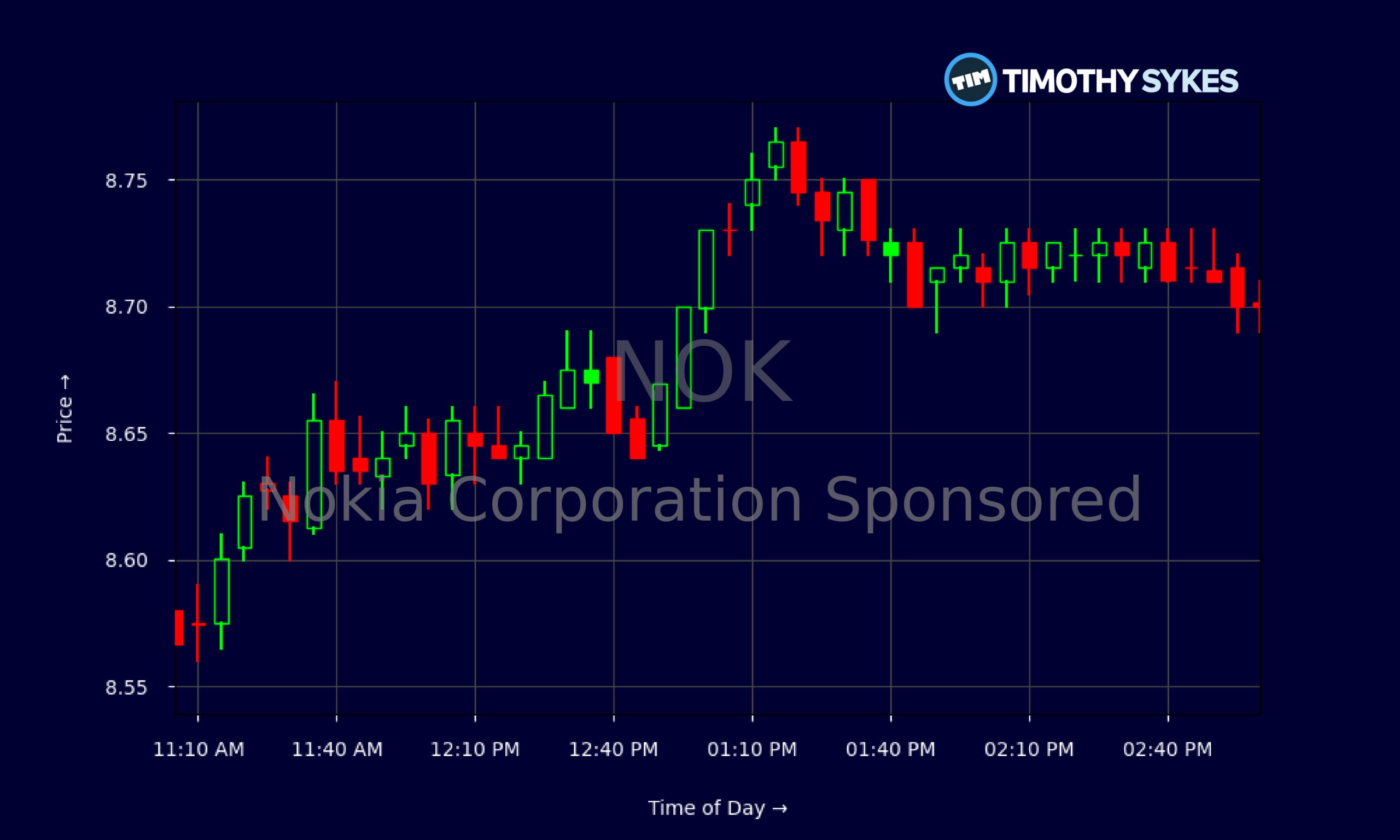
Live Update At 15:02:44 EDT: On Monday, October 26, 2026 Nokia Corporation Sponsored stock [NYSE: NOK] is trending up by 6.82%! Discover the key drivers behind this movement as well as our expert analysis in the detailed breakdown below.
Quick Financial Overview
NOK has been on a wild ride this month. From an early-October close near $10.97 on 2026/10/06, Nokia slid to the mid-$7s after earnings volatility before clawing back to $8.70 on 2026/10/26. For short-term traders, that’s a clean downtrend, sharp flush, and then a controlled bounce.
The intraday tape on NOK shows tight action around $8.60–$8.75, with five-minute candles grinding higher through the session instead of spiking. That tells you dip buyers are present, but momentum traders are not chasing yet. It’s controlled accumulation, not full-on breakout mode.
Fundamentally, Nokia just printed Q3 net sales of €5.15B versus €5.07B expected, with 9% growth and a 220 bps margin improvement. That’s real operational progress. On top of that, NOK guided Q4 revenue up 20%–24% quarter over quarter and expects operating profit to beat the midpoint of its full-year outlook.
More Breaking News
Valuation-wise, a price-to-sales near 2.6 and a price-to-book around 2.5, plus a modest 1.6% dividend yield, put Nokia in a “quality but not cheap” bucket. The high reported P/E looks inflated, but returns on equity above 5% and a leverage ratio around 1.8 suggest the balance sheet can support ongoing trading catalysts without stressing the story.
Why Traders Are Watching NOK Right Now
NOK is back on a lot of trading screens because the fundamentals say “improving,” while the chart still reflects fear from a broader AI-infrastructure selloff. That disconnect is what active traders live for.
On 2026/10/22, Nokia beat Q3 earnings and revenue expectations, then doubled down with guidance for 20%–24% Q4 net sales growth and a regular €0.03 dividend. The company also reaffirmed its 2026 operating profit outlook and accelerated Infinera integration, targeting €200M in net synergies by the end of 2026, a year ahead of plan. That is classic execution: beat, guide up, and pull future cost savings forward.
Yet NOK sold off roughly 15% in the aftermath, which Rosenblatt and JPMorgan both called an overreaction. Rosenblatt trimmed its target from $15 to $14 but kept a Buy. JPMorgan cut from $21 to $20.50 and stayed Overweight, pointing to scale-out and data center opportunities. When two big firms say the drop looks macro, not company-specific, traders listen.
At the same time, Nokia is aggressively attaching its story to AI. NOK is partnering with Nvidia and T-Mobile on live AI-RAN calls and pilots. It is integrating its RAN software with Nvidia’s Aerial platform on Supermicro hardware, and lining up 2027 AI-RAN trials with SoftBank in Japan. These aren’t vague press releases; they’re field trials and software integrations that can shape how radio and AI workloads share the same boxes.
Add in the speculation that Nokia and Ericsson could benefit from SpaceX’s potential 80,000-site terrestrial D2D tower build-out, and NOK gains another layer of upside optionality. Traders don’t need every one of these levers to pay off. They just need the market to reprice Nokia from “legacy telco” toward “AI-enabled network backbone,” and that repricing can create powerful swings.
Conclusion
For active traders, NOK now sits at an interesting crossroads. The daily chart shows a stock that broke down from above $10 to the high-$7s, then bounced back toward $8.70 with steady intraday higher lows. That’s not a euphoric rip; it’s a grind that often appears before a bigger directional move.
Underneath that price action, Nokia’s story is cleaner than the chart suggests. NOK posted a Q3 revenue beat, delivered 9% net sales growth, expanded margins, and reaffirmed its 2026 operating profit path. Management expects Q4 net sales to jump 20%–24% sequentially and has kept the dividend flowing. On top of that, the company is streamlining by selling its Enterprise Campus Edge business and pushing deep into AI-RAN with Nvidia, T-Mobile, SoftBank, and high-end design tools from Cadence.
For momentum-focused traders, the key with NOK is to respect both sides of the coin: strong news and guidance, but a market still digesting an AI-infrastructure shakeout. As Tim Sykes likes to say, “The market doesn’t care about your opinion, only the price action. Study the news, but always let the chart confirm your thesis.” As millionaire penny stock trader and teacher Tim Sykes says, “Be patient, don’t force trades, and let the perfect setups come to you.” For educational and research-focused traders, NOK is a live case study in how fundamentals, sentiment, and technicals collide.
This is stock news, not investment advice. Timothy Sykes News delivers real-time stock market news focused on key catalysts driving short-term price movements. Our content is tailored for active traders and investors seeking to capitalize on rapid price fluctuations, particularly in volatile sectors like penny stocks. Readers come to us for detailed coverage on earnings reports, mergers, FDA approvals, new contracts, and unusual trading volumes that can trigger significant short-term price action. Some users utilize our news to explain sudden stock movements, while others rely on it for diligent research into potential investment opportunities.
Dive deeper into the world of trading with Timothy Sykes, renowned for his expertise in penny stocks. Explore his top picks and discover the strategies that have propelled him to success with these articles:
- Penny Stocks Trading Guide
- Best Penny Stocks Under $1 to Buy Today
- Top 8 Penny Stocks to Watch on Robinhood
Once you’ve got some stocks on watch, elevate your trading game with StocksToTrade the ultimate platform for traders. With specialized tools for swing and day trading, StocksToTrade will guide you through the market’s twists and turns.
Dig into StocksToTrade’s watchlists here:





Leave a reply