

Space Exploration Technologies Corp. faces heightened investor anxiety after a Falcon launch anomaly, as stocks have been trading down by -4.24 percent.
Key Takeaways Traders Need To Know
- The EU is expediting antitrust approval for Project Bromo, a multi-company satellite venture that could rival SpaceX, and SpaceX shares fell about 2.9% on the news.
- SPCX, a SpaceX-related security, is down 2.4% pre‑bell after a sharp 7.8% gain the previous session, with no new fundamental news referenced.
- SpaceX’s Starshield service used by Ukraine for battlefield communications and drones was reportedly slowed after an internal White House order to the US Defense Department; SpaceX shares were down 3.4%.
- SpaceX, referenced via SPCX, is noted as a drag on Alphabet’s EPS due to the September start of new capacity and a 12% decline in SpaceX shares during Q3, which negatively affects Alphabet’s mark-to-market results given its large SpaceX stake.
- A report claims hackers used SpaceX’s Grok AI agent, along with other models, to automate cyberattacks on Latin American financial institutions, raising regulatory and reputational concerns around Grok’s misuse potential.
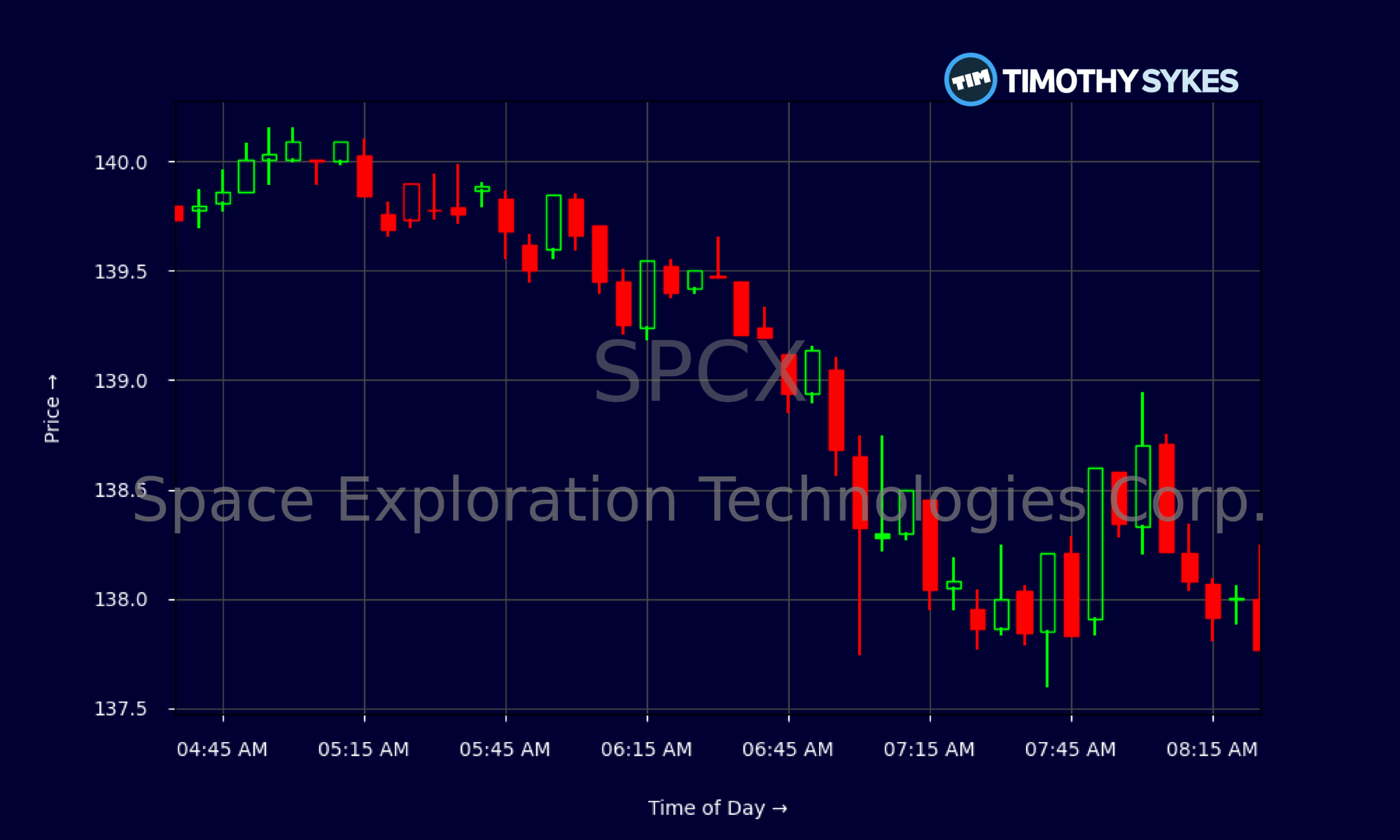
Live Update At 08:32:20 EDT: On Friday, October 30, 2026 Space Exploration Technologies Corp. stock [NASDAQ: SPCX] is trending down by -4.24%! Discover the key drivers behind this movement as well as our expert analysis in the detailed breakdown below.
Quick Financial Overview
SPCX gives traders exposure to Space Exploration Technologies Corp., and the tape shows a name in the middle of a valuation reset. Over the recent swing, SPCX dropped from a high near $176 on 2026/10/06 to about $144–$148 by 2026/10/29. That is a fast double‑digit pullback, followed by a choppy grind lower with lower highs on the daily chart.
Intraday, SPCX has been stuck in a tight premarket band around $137–$140, with five‑minute candles showing small ranges and fading bounces. That usually signals indecision and waning momentum after a bigger trend move.
More Breaking News
On the fundamentals side, the SpaceX‑linked entity is unusual: revenue near $18.67B but a pretax profit margin of about -38.3%. SPCX tracks a business that is still spending heavily, with free cash flow running about -$9.97B in the latest quarter despite $9.63B in operating cash flow. The price-to-sales ratio around 176.41 and price-to-book above 17 show traders are still paying a rich premium for growth and optionality, not current profits. For short‑term SPCX trading, that means sentiment and headlines matter more than classic value metrics.
Why Traders Are Watching SPCX Price Swings
SPCX is trading like a pure sentiment vehicle on SpaceX — and right now that sentiment leans bearish. The most recent catalyst cluster is a mix of policy shocks, competition, and tech‑risk headlines that all pressure the story at once.
On the competitive front, the EU fast‑tracking antitrust approval for Project Bromo is a big tell. A coordinated satellite venture that can rival SpaceX goes straight at the Starlink moat. Traders read “expedited approval” as “real threat,” and the roughly 2.9% drop in SpaceX shares on that news bled straight into SPCX. For swing traders, that is the market saying long‑term orbital dominance is no longer a given.
Geopolitics adds another layer. Reports that SpaceX slowed its Starshield service to Ukraine after an internal White House order hit just as the market is already nervous about defense‑linked platforms. SpaceX shares slid about 3.4% around that headline. Each time Washington touches Starlink or Starshield, SPCX reacts. That headline risk is now part of the day‑to‑day playbook.
Alphabet’s comment that SpaceX — via SPCX exposure — dragged on its EPS after a 12% Q3 decline in SpaceX’s value is another wake‑up call. When a mega‑cap says one privately priced stake is hurting its numbers, traders listen. It confirms the valuation reset is big enough to matter on real income statements.
Add in the report that hackers used SpaceX’s Grok AI to help automate cyberattacks on Latin American banks, and you have fresh regulatory and reputational risk layered on top. Even without immediate dollar damage, SPCX traders now have to factor in AI scrutiny alongside rockets and satellites.
Finally, the tape itself screams speculation. SPCX ripped 7.8% in one session, only to drop 2.4% pre‑bell the next day with no new fundamental catalyst. Earlier in the month, SPCX slid again despite growing Reddit interest. That pattern — social buzz plus weak price action — tells disciplined traders to treat it as a momentum vehicle, not a safe parking spot.
Conclusion
For active traders, SPCX is the purest liquid proxy on SpaceX’s evolving story — and the story right now is messy. You have Project Bromo coming up fast in Europe, U.S. officials leaning on Starshield operations in Ukraine, and limits reported on Starlink service in that same conflict. Those moves chip away at the “untouchable disruptor” narrative that once floated all SpaceX‑related assets, including SPCX.
At the same time, big‑picture numbers show a capital‑intense machine with negative free cash flow and rich valuation ratios. Alphabet flagging SpaceX as a drag on its EPS after a 12% Q3 markdown simply reinforces what SPCX’s chart already says: the market is recalibrating how much it is willing to pay for this growth curve.
The AI angle via Grok adds one more wildcard. Regulators and policymakers are already circling satellite networks; now they have a cybersecurity story to dig into as well. For SPCX traders, that means more headlines, more spikes, and more air pockets.
In Tim Sykes’ world, this is exactly the kind of stock you stalk, not marry. Sharp moves like that 7.8% pop followed by a fast 2.4% pre‑bell drop are textbook day‑trading setups, not long‑term comfort zones. As millionaire penny stock trader and teacher Tim Sykes says, “Embrace the journey, the ups and downs; each mistake is a lesson to improve your strategy.”. Or as Tim Bohen likes to hammer home, “Volatility is opportunity — if you come in with a plan, not a hope.” For anyone trading SPCX, that plan starts with respecting the news flow, the liquidity, and the very real downside that comes with chasing space hype.
This is stock news, not investment advice. Timothy Sykes News delivers real-time stock market news focused on key catalysts driving short-term price movements. Our content is tailored for active traders and investors seeking to capitalize on rapid price fluctuations, particularly in volatile sectors like penny stocks. Readers come to us for detailed coverage on earnings reports, mergers, FDA approvals, new contracts, and unusual trading volumes that can trigger significant short-term price action. Some users utilize our news to explain sudden stock movements, while others rely on it for diligent research into potential investment opportunities.
Dive deeper into the world of trading with Timothy Sykes, renowned for his expertise in penny stocks. Explore his top picks and discover the strategies that have propelled him to success with these articles:
- Penny Stocks Trading Guide
- Best Penny Stocks Under $1 to Buy Today
- Top 8 Penny Stocks to Watch on Robinhood
Once you’ve got some stocks on watch, elevate your trading game with StocksToTrade the ultimate platform for traders. With specialized tools for swing and day trading, StocksToTrade will guide you through the market’s twists and turns.
Dig into StocksToTrade’s watchlists here:





Leave a reply