

NuScale Power Corporation stocks have been trading up by 4.06 percent following bullish sentiment on its small modular reactor prospects.
Key Takeaways
- B. Riley cut its NuScale Power price target from $15 to $10 but kept a Buy rating, calling SMR part of a broader reset in nuclear and uranium names as rates rise.
- Truist trimmed its NuScale Power target from $10 to $8 and stuck with a Hold, pointing to weak sentiment toward long-duration growth despite better fundamentals and nuclear policy support.
- NuScale Power set its Q3 2026 earnings call for 2026/11/05, again pitching its certified small modular reactor technology as a leader in carbon‑free energy.
- A recent Form 4 showed insider activity in SMR, but with no details on size, price, or whether it was a buy, sale, or option exercise.
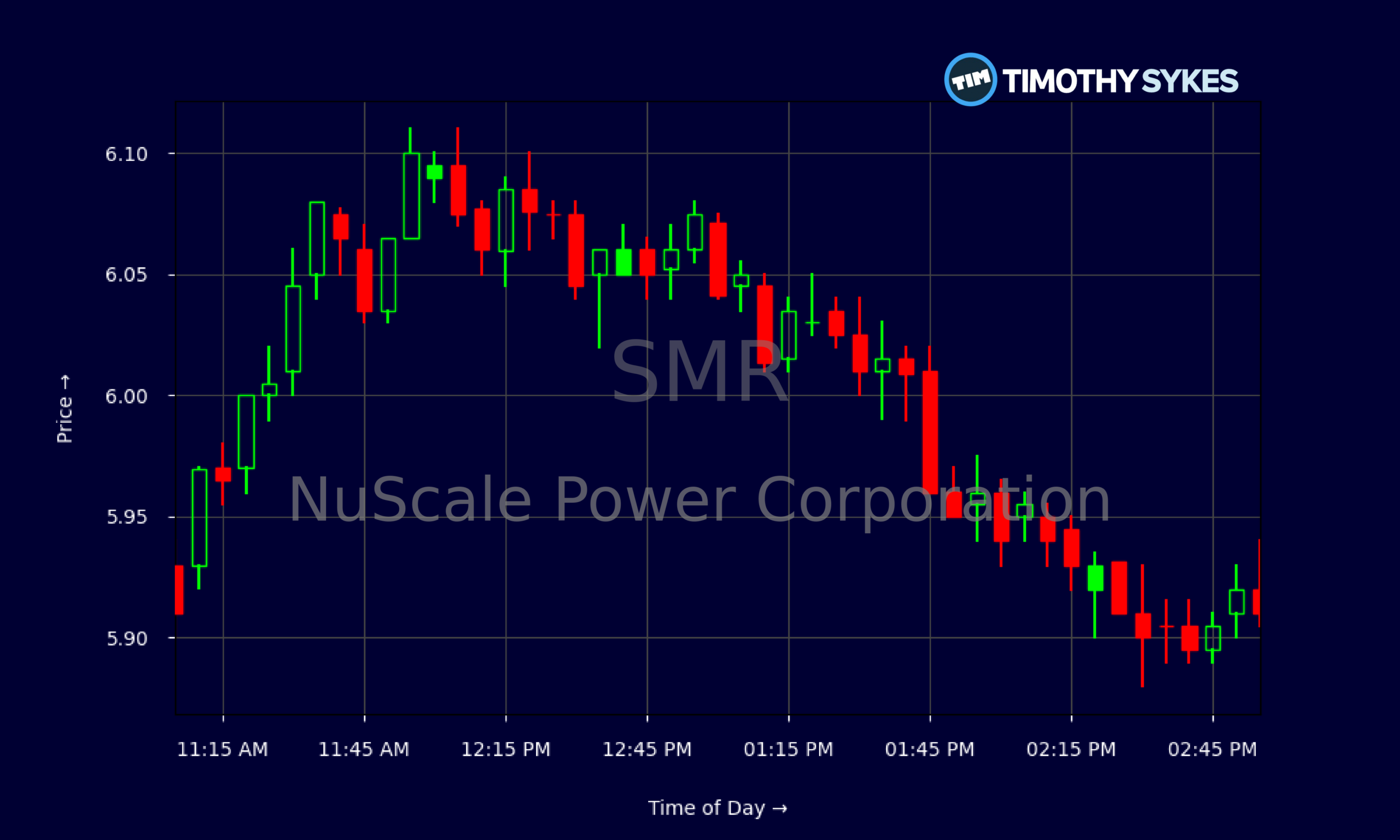
Live Update At 15:02:31 EDT: On Thursday, October 29, 2026 NuScale Power Corporation stock [NYSE: SMR] is trending up by 4.06%! Discover the key drivers behind this movement as well as our expert analysis in the detailed breakdown below.
Quick Financial Overview
NuScale Power, trading under ticker SMR, is acting like a classic high‑risk growth story. The chart shows a sharp slide from the mid‑$7s earlier in the month to around $5.90 on 2026/10/29. That’s a big drawdown in a short window and tells traders sentiment has flipped from speculation to caution.
Intraday action in SMR around $5.90 is tight, with most 5‑minute candles holding a narrow range between roughly $5.90 and $6.05. That kind of compression after a selloff often signals a tug‑of‑war between short‑term shorts locking in gains and dip buyers trying to build a base.
More Breaking News
Fundamentals for NuScale Power are early‑stage and heavy on losses. SMR booked about $31.5M in revenue over the trailing period, but key margins are deeply negative and price‑to‑sales sits near 289x, which is extreme. The latest quarterly report shows a net loss of roughly $50M and negative free cash flow, backed by a very high current ratio near 38 thanks to a big cash pile around $766.5M. For traders, that means SMR has runway to keep building out its small modular reactor platform, but the story is still all about future execution and news catalysts, not current profits.
Why Traders Are Watching SMR After Target Cuts
SMR has landed squarely on the radar because the chart is breaking down right as Wall Street is rewriting the script. B. Riley cut its NuScale Power price target from $15 to $10 but kept a Buy rating, calling the move part of a valuation reset across nuclear and uranium names. Translation for traders: the firm still likes NuScale Power long term, but it is no longer willing to pay up for the story while rates stay high and risk appetite is low.
Truist’s move on SMR is more cautious. The firm dropped its NuScale Power target from $10 to $8 and maintained a Hold rating. The key line in that note is about higher interest rates and weak sentiment toward long‑duration growth. NuScale Power is exactly that: a long‑dated, capital‑intensive nuclear technology play that will live or die on future contracts, regulatory momentum, and cost of capital. When money prices in more risk, names like SMR usually feel it first.
At the same time, the Street is not walking away from NuScale Power. B. Riley still calls SMR oversold and attractively valued at current levels. Consensus sits around Hold with an average target of $12.37, still well above where SMR trades today. That gap between the tape and the targets is what momentum traders watch. If SMR starts to base around $5–$6 and volume spikes into headlines, there is fuel for sharp bounces as shorts cover and fast money front‑runs any positive news.
One possible spark is the upcoming NuScale Power Q3 2026 earnings call on 2026/11/05. Management is again pushing the message that its certified small modular reactor design is an industry leader for carbon‑free energy. If SMR backs that up with any concrete updates — pipeline color, policy wins, or funding clarity — day traders will react quickly. For now, the story around SMR is all about macro pressure versus nuclear‑energy optimism, and that tension is what keeps NuScale Power on every active trader’s watchlist.
Conclusion
NuScale Power sits at an important crossroads, and the chart reflects it. SMR has dropped from above $7 to the high‑$5s while analysts are cutting targets, yet the Street still sees value above current prices. B. Riley moving from $15 to $10 on NuScale Power while holding a Buy, and Truist sliding from $10 to $8 with a Hold, show that the narrative is being repriced, not abandoned. For short‑term traders, that means spikes and flushes in SMR will likely cluster around every new headline.
Under the hood, NuScale Power is burning cash and posting steep losses but holds a large cash cushion and virtually no debt. SMR is not a widow‑and‑orphan dividend name; it is a speculative nuclear technology platform where policy shifts and sentiment can move the stock more than quarterly revenue. That’s exactly why disciplined traders track NuScale Power so closely. In this kind of high‑volatility environment, it’s easy for undisciplined market participants to chase big moves and overstay, but seasoned traders know that risk management and consistency matter far more than swinging for home runs on every trade. As millionaire penny stock trader and teacher Tim Sykes, says, “Small gains add up over time; focus on building wealth gradually, not chasing jackpots.” For those studying SMR, that mindset can help frame this ticker as a trading vehicle to be approached with patience, rules, and strict discipline rather than reckless aggression.
With the Q3 2026 call on 2026/11/05, SMR has a clear near‑term catalyst. Traders in the Tim Sykes community focus on exactly these setups: volatile charts, clear news dates, and a crowd of doubters. As Tim Sykes likes to say, “Patterns repeat because human nature never changes — your job is to study them, prepare, and trade the plan, not the hype.” NuScale Power and SMR fit that mindset perfectly right now. This analysis is for educational and research purposes only and is not investment advice.
This is stock news, not investment advice. Timothy Sykes News delivers real-time stock market news focused on key catalysts driving short-term price movements. Our content is tailored for active traders and investors seeking to capitalize on rapid price fluctuations, particularly in volatile sectors like penny stocks. Readers come to us for detailed coverage on earnings reports, mergers, FDA approvals, new contracts, and unusual trading volumes that can trigger significant short-term price action. Some users utilize our news to explain sudden stock movements, while others rely on it for diligent research into potential investment opportunities.
Dive deeper into the world of trading with Timothy Sykes, renowned for his expertise in penny stocks. Explore his top picks and discover the strategies that have propelled him to success with these articles:
- Penny Stocks Trading Guide
- Best Penny Stocks Under $1 to Buy Today
- Top 8 Penny Stocks to Watch on Robinhood
Once you’ve got some stocks on watch, elevate your trading game with StocksToTrade the ultimate platform for traders. With specialized tools for swing and day trading, StocksToTrade will guide you through the market’s twists and turns.
Dig into StocksToTrade’s watchlists here:





Leave a reply