

SoFi Technologies Inc. stocks have been trading up by 15.15 percent after upbeat earnings and lending growth fueled investor optimism.
Key Takeaways
- Wall Street firm StoneX started coverage of SoFi Technologies with a Buy rating and a $25 target, calling out 40%+ Q2 revenue growth and record user, deposit, and profit gains.
- Monness Crespi launched coverage on SOFI with a Buy rating and $20 target, with an analyst mean target near $20.14 versus a recent price around $14.44.
- The company reported record Q2 2026 net revenue of $1.2B and net income of $157M, with member and product counts up 35% and 42% while expanding via Kraken, CAZ Investments, and AngelList.
- New SoFi Earn tokenized deposits (SOFIE) pay 4.40% APY and link directly into SoFiUSD and crypto trading, tightening the bridge between banking and blockchain.
- A new Prudential SimplyTerm life-insurance integration inside the SoFi app opens another digital revenue stream from more than 15M members.
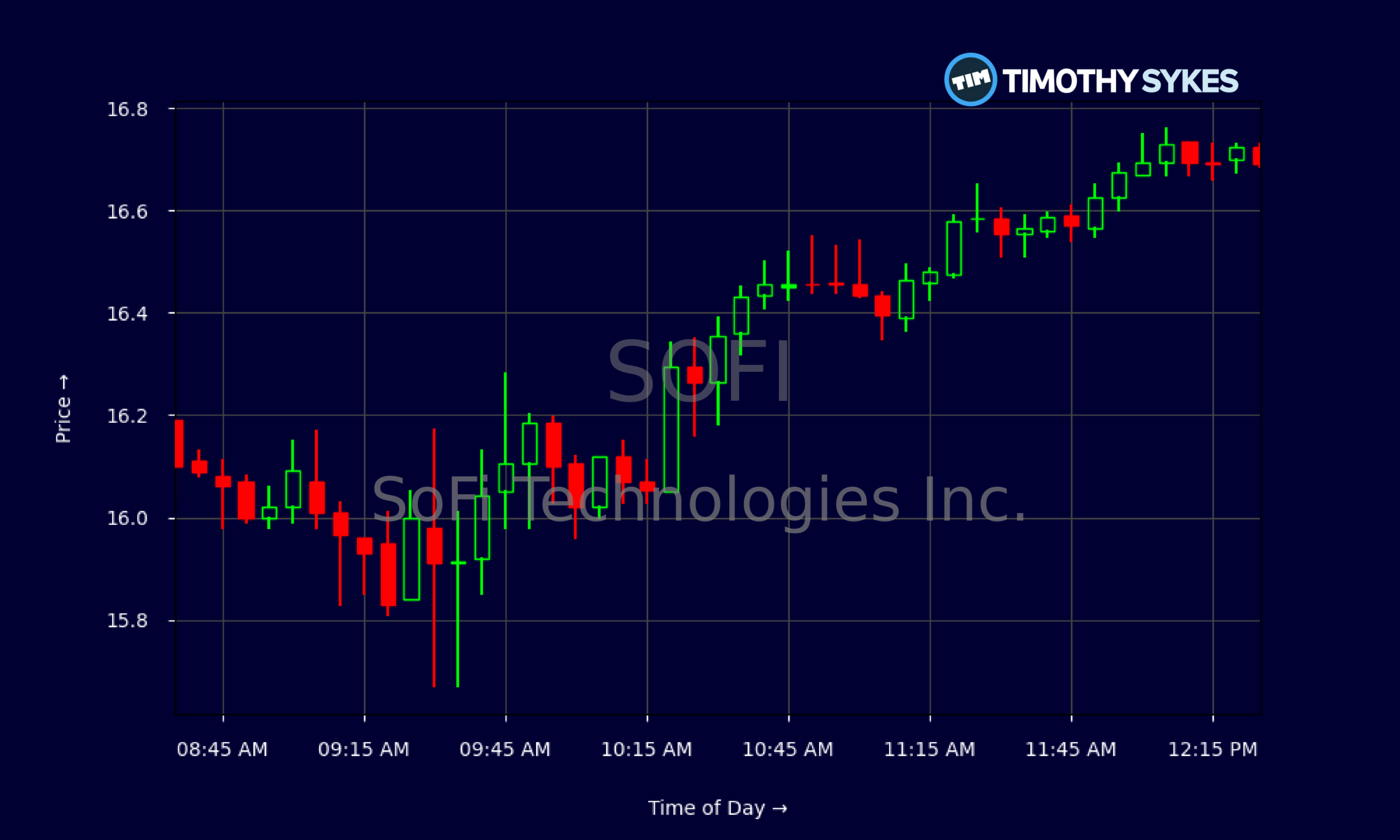
Live Update At 12:32:49 EDT: On Tuesday, October 27, 2026 SoFi Technologies Inc. stock [NASDAQ: SOFI] is trending up by 15.15%! Discover the key drivers behind this movement as well as our expert analysis in the detailed breakdown below.
Quick Financial Overview
SOFI has been trading like a momentum name all month. The stock dipped from the mid-$16s to a low near $14.22 on 2026/10/14, then ripped back to close at $16.655 on 2026/10/27. That is a sharp rebound in less than two weeks, and it comes as Wall Street leans more bullish on SoFi Technologies.
Daily candles show strong support in the $14–$14.50 zone and a series of higher closes into the current move. Intraday on 2026/10/27, the 5‑minute chart shows a clean grind from premarket levels around $14.40 up through $16+, then consolidation between $16.40 and $16.73. For active traders, that’s classic trend‑day action with controlled pullbacks and steady higher lows.
More Breaking News
Under the hood, SOFI is finally pairing growth with profits. Over the last year, SoFi Technologies generated roughly $3.61B in revenue and turned a profit margin near 15%. Q2 2026 alone delivered $1.2B in net revenue and $157M in net income. A price‑to‑sales ratio around 4.7 and P/E near 32 tell traders the market is already paying up for growth, but not at bubble levels given 30%+ multi‑year revenue CAGR. The key from here: can SOFI keep compounding users, products, and earnings fast enough to justify higher multiples.
Why Traders Are Watching SOFI Right Now
The story around SOFI has shifted from “promising fintech” to “scaled platform fighting for a re‑rating.” That matters for trading. StoneX came out swinging with a Buy rating and a $25 price target after the stock was down roughly 40% year‑to‑date. They highlighted over 40% year‑over‑year adjusted net‑revenue growth in Q2 and record additions in members, deposits, products, and profit. When a new research house opens coverage that bullishly while the chart is still depressed, momentum traders pay attention.
Monness Crespi added more fuel on 2026/10/26, also starting SOFI at Buy with a $20 target, leaning on structural growth in BNPL and neobank adoption. Their note points to an analyst mean target near $20.14 versus a recent price around $14.44. That implies meaningful upside if SoFi Technologies keeps executing. A separate Monness update confirms that consensus cluster around $20, reinforcing that the Street’s average view still sits well above where SOFI has been trading.
On the product side, SOFI is pressing its advantage. The company reported record Q2 net revenue of $1.2B and net income of $157M, while membership grew 35% and product count 42%. Partnerships with Kraken/Payward, CAZ Investments, and AngelList push SoFi Technologies deeper into digital assets and private markets, areas that often attract active, fee‑rich users.
Then there is SoFi Earn. This bank‑issued tokenized deposit (SOFIE) pays 4.40% APY, is fully backed by dollars at SoFi Bank, and is FDIC‑insured up to the usual limits. Traders should note the twist: SOFIE can be converted 1:1 into SoFiUSD for crypto purchases or blockchain transfers. That is a bridge between traditional deposits and web3 rails. Add in the Prudential SimplyTerm life‑insurance integration, letting more than 15M SoFi members quote and buy term coverage in‑app in minutes, and you see the “super app” narrative getting real. More products per user usually mean more revenue and stickier relationships.
Not everything is one‑way bullish. Truist cut its SOFI target from $19 to $16 and stuck with a Hold, citing macro worries, higher rates, and European consumer risk heading into Q3. Goldman Sachs trimmed its target from $18 to $15 and stayed Neutral, and TD Cowen nudged its target down to $17.50 with a Hold, preferring other consumer‑finance names near term. For traders, that mix of bullish initiations and cautious target cuts explains the tug‑of‑war price action earlier this month — and why breakouts will still get tested.
Conclusion
Right now SOFI sits at an interesting crossroads. The tape shows a stock bouncing hard off support and reclaiming the mid‑$16s into a cluster of bullish catalysts. The business shows real scale: $1.2B in Q2 net revenue, $157M in profit, and multi‑year revenue growth north of 30%. SoFi Technologies is not just lending anymore; it is rolling out tokenized deposits via SoFi Earn, pushing SoFiUSD deeper into crypto, expanding in Mexico with Orbi and Mastercard, and plugging Prudential life insurance straight into its app.
At the same time, valuation is no longer cheap. A P/E above 30 and price‑to‑book near 1.8 demand continued execution. Some big banks — Goldman Sachs, Truist, TD Cowen — have cooled their targets heading into the Q3 2026 earnings release scheduled for 2026/10/27. That event is the next real scoreboard for SOFI traders. Strong guidance and continued margin progress could validate StoneX’s $25 target and Monness Crespi’s $20 call; soft numbers could send the stock back to test that $14–$15 range.
For active traders in the Tim Sykes community, the playbook stays the same. As Tim likes to remind people, “Patterns repeat because human nature doesn’t change — the key is to study them, prepare, and always, always cut losses quickly.” As millionaire penny stock trader and teacher Tim Sykes, says, “The goal is not to win every trade but to protect your capital and keep moving forward.”. SOFI is giving pattern‑hunters plenty to work with: clear catalysts, expanding products, split analyst views, and a chart breaking higher. Use the volatility for education and research, stay disciplined on risk, and let the Q3 report show whether this breakout has real fuel behind it.
This is stock news, not investment advice. Timothy Sykes News delivers real-time stock market news focused on key catalysts driving short-term price movements. Our content is tailored for active traders and investors seeking to capitalize on rapid price fluctuations, particularly in volatile sectors like penny stocks. Readers come to us for detailed coverage on earnings reports, mergers, FDA approvals, new contracts, and unusual trading volumes that can trigger significant short-term price action. Some users utilize our news to explain sudden stock movements, while others rely on it for diligent research into potential investment opportunities.
Dive deeper into the world of trading with Timothy Sykes, renowned for his expertise in penny stocks. Explore his top picks and discover the strategies that have propelled him to success with these articles:
- Penny Stocks Trading Guide
- Best Penny Stocks Under $1 to Buy Today
- Top 8 Penny Stocks to Watch on Robinhood
Once you’ve got some stocks on watch, elevate your trading game with StocksToTrade the ultimate platform for traders. With specialized tools for swing and day trading, StocksToTrade will guide you through the market’s twists and turns.
Dig into StocksToTrade’s watchlists here:





Leave a reply