
Oracle Corporation stocks have been trading down by -3.42 percent amid bearish sentiment over slowing cloud growth and guidance.
Key Takeaways For ORCL Traders
- Truist projects that Microsoft’s major AI and cloud peers will run negative free cash flow under heavy AI infrastructure spending, casting them as financially weaker in the current AI cycle.
- Larry Ellison’s net worth fell $168.9B as Oracle’s heavy AI data center spending and rising debt have spooked traders focused on near-term cash flow.
- Oracle Health disclosed a major data breach impacting internal records for multiple U.S. hospitals and health systems, exposing sensitive medical and financial data.
- Law firm Ademi LLP is investigating potential data privacy claims and possible damages on behalf of affected Oracle Health customers, adding legal overhang to ORCL.
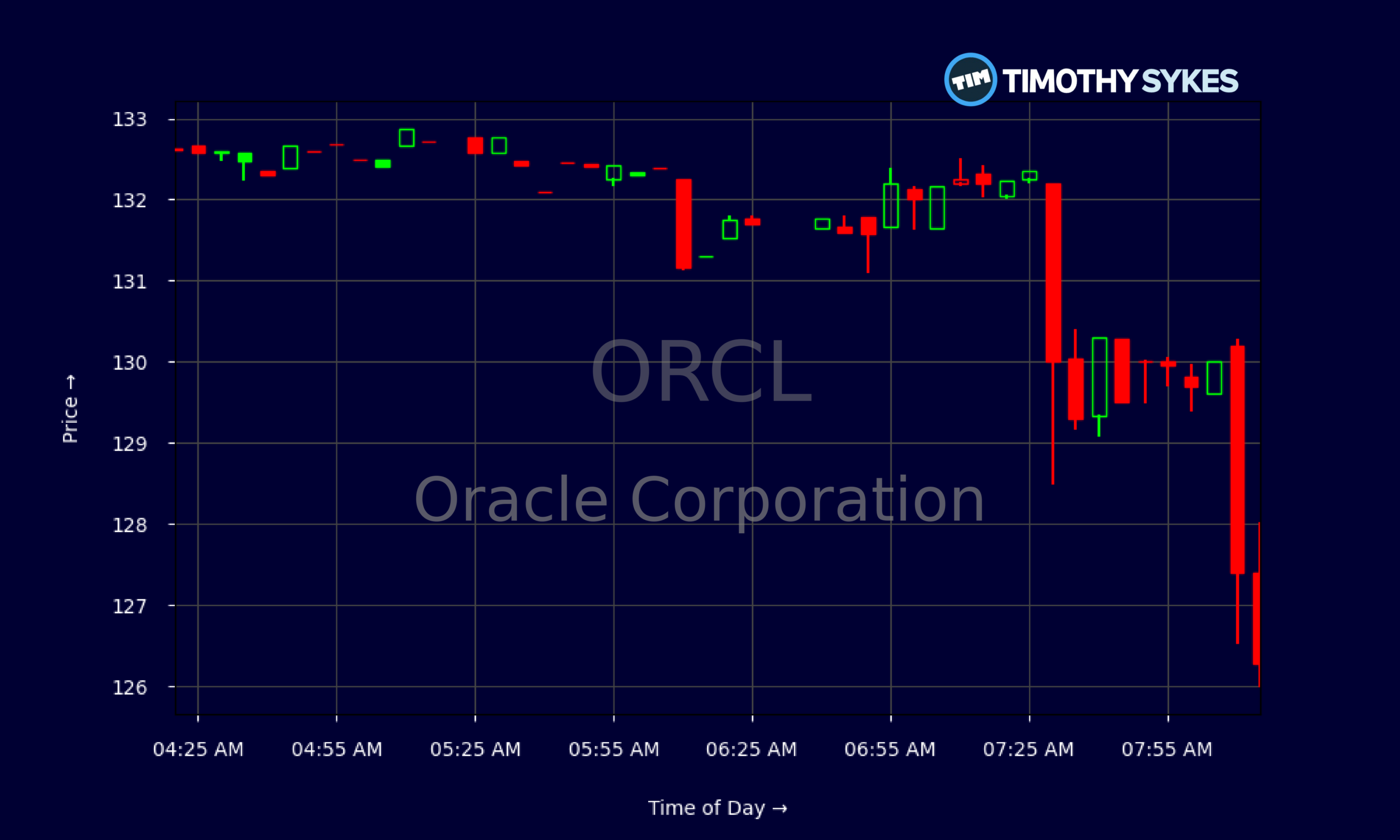
Live Update At 08:18:11 EST: On Monday, November 02, 2026 Oracle Corporation stock [NYSE: ORCL] is trending down by -3.42%! Discover the key drivers behind this movement as well as our expert analysis in the detailed breakdown below.
Quick Financial Overview
ORCL is trading in a choppy but elevated range, with recent closes mostly between $126 and $145. The tape shows heavy volatility around $140 followed by sharp pulls back toward the low $130s, a classic sign of traders debating the company’s aggressive AI push.
Daily data show ORCL spiking to a recent high near $148 before fading back to about $131. That kind of rollercoaster says momentum is real, but conviction is fragile. Intraday, ORCL’s 5‑minute candles cluster around $132 with several swift dips into the high $120s, telling short-term traders that liquidity is solid but bids vanish quickly on bad headlines.
More Breaking News
Fundamentals look strong on the surface. Oracle Corporation posted about $67.36B in revenue with thick 96% gross margins and roughly 26% profit margin. A P/E near 22 and price-to-sales around 6 put ORCL in premium territory for legacy software. But leverage is heavy: total debt-to-equity sits at 2.52 and the leverage ratio near 4.9, raising questions as capex balloons. For now, ORCL generates robust operating cash flow, but the market is laser‑focused on how long that lasts as AI spending ramps.
Why Traders Are Watching ORCL So Closely
The new AI arms race is the core story for ORCL. Truist warns that Microsoft’s major AI and cloud peers are likely to run negative free cash flow as they pour money into AI infrastructure. ORCL is squarely in that camp. The latest cash-flow report already shows capital expenditure at about $8.5B for the quarter and free cash flow slipping slightly negative at roughly -$362M despite $8.14B of operating cash flow. That is the pattern Truist is flagging: strong operations eaten by massive build‑outs.
For ORCL traders, that means the old “steady cash machine” narrative is being replaced by a high‑stakes AI bet. Oracle Corporation still prints impressive profitability metrics — EBIT margin around 37% and EBITDA margin above 50% — but pretax profit margin has flipped negative as interest and special items bite. Long‑term debt of about $96.33B, plus nearly $9.08B in current debt, leaves ORCL walking a tighter rope than Microsoft in this cycle.
Sentiment has reflected that shift. News that Larry Ellison’s net worth dropped by $168.9B as Oracle’s AI data center spending and rising debt spooked traders is a headline‑level signal of how far expectations have reset. When the market starts punishing the founder’s fortune, every new AI data center headline becomes a trading catalyst.
Then comes the Oracle Health data breach. ORCL’s healthcare arm admitted a significant breach covering multiple U.S. hospitals and health systems, with sensitive personal, financial, and full medical records exposed. Law firm Ademi LLP is now digging into potential privacy claims and damages. That adds regulatory, legal, and reputational risk on top of the balance‑sheet pressure. In short, ORCL now trades with dual overhangs: capital intensity and cybersecurity credibility.
Conclusion
ORCL is no sleepy legacy software ticker anymore. Oracle Corporation is acting like an AI‑first infrastructure name, and the numbers back that up: big revenue, big margins, and now very big spending. The stock’s recent action — long wicks near $145–$148 followed by fast drops into the $130s — shows a market testing how much AI risk it is willing to absorb.
Traders should treat ORCL as a sentiment‑driven story around three pillars. First, how far AI data center spending stretches free cash flow and leverage. Second, how the Truist narrative of Microsoft as the “stronger balance sheet” reshapes relative demand for ORCL. Third, how the Oracle Health breach and Ademi LLP’s probe evolve into possible fines, customer churn, or tighter regulation.
For active traders, that mix creates both danger and opportunity. ORCL’s volatility around support in the high $120s and resistance in the mid‑$140s gives clear levels to study, but headlines can blow through them in a single session. As Tim Sykes likes to remind traders, “Discipline is the only edge that never goes away.” As millionaire penny stock trader and teacher Tim Sykes says, “Consistency is key in trading; don’t let emotions dictate your trades.”. With ORCL facing heavy AI spending and fresh legal risk, that mindset — cut losses fast, respect the trend, and never fall in love with a ticker — matters more than ever. This coverage is for educational and research purposes only, not investment advice.
This is stock news, not investment advice. Timothy Sykes News delivers real-time stock market news focused on key catalysts driving short-term price movements. Our content is tailored for active traders and investors seeking to capitalize on rapid price fluctuations, particularly in volatile sectors like penny stocks. Readers come to us for detailed coverage on earnings reports, mergers, FDA approvals, new contracts, and unusual trading volumes that can trigger significant short-term price action. Some users utilize our news to explain sudden stock movements, while others rely on it for diligent research into potential investment opportunities.
Dive deeper into the world of trading with Timothy Sykes, renowned for his expertise in penny stocks. Explore his top picks and discover the strategies that have propelled him to success with these articles:
- Penny Stocks Trading Guide
- Best Penny Stocks Under $1 to Buy Today
- Top 8 Penny Stocks to Watch on Robinhood
Once you’ve got some stocks on watch, elevate your trading game with StocksToTrade the ultimate platform for traders. With specialized tools for swing and day trading, StocksToTrade will guide you through the market’s twists and turns.
Dig into StocksToTrade’s watchlists here:





Leave a reply