

LivaNova PLC stocks have been trading up by 19.77 percent, likely driven by impactful positive clinical and regulatory developments.
Key Takeaways
- Barclays initiated coverage of LivaNova with an Overweight rating and a $105 price target, naming it one of its top smid-cap ideas within medical devices.
- The bank views medical devices’ recent underperformance as an opportunity, with LivaNova highlighted as a favored name for a potential sector rebound.
- Thirty-six month CORE-VNS study data showed a 76% median reduction in seizure frequency for LivaNova’s VNS Therapy in drug-resistant epilepsy.
- CORE-VNS results also showed fewer hospitalizations, lower rescue medication use, reduced seizure severity, and better quality of life for patients on LivaNova’s VNS Therapy.
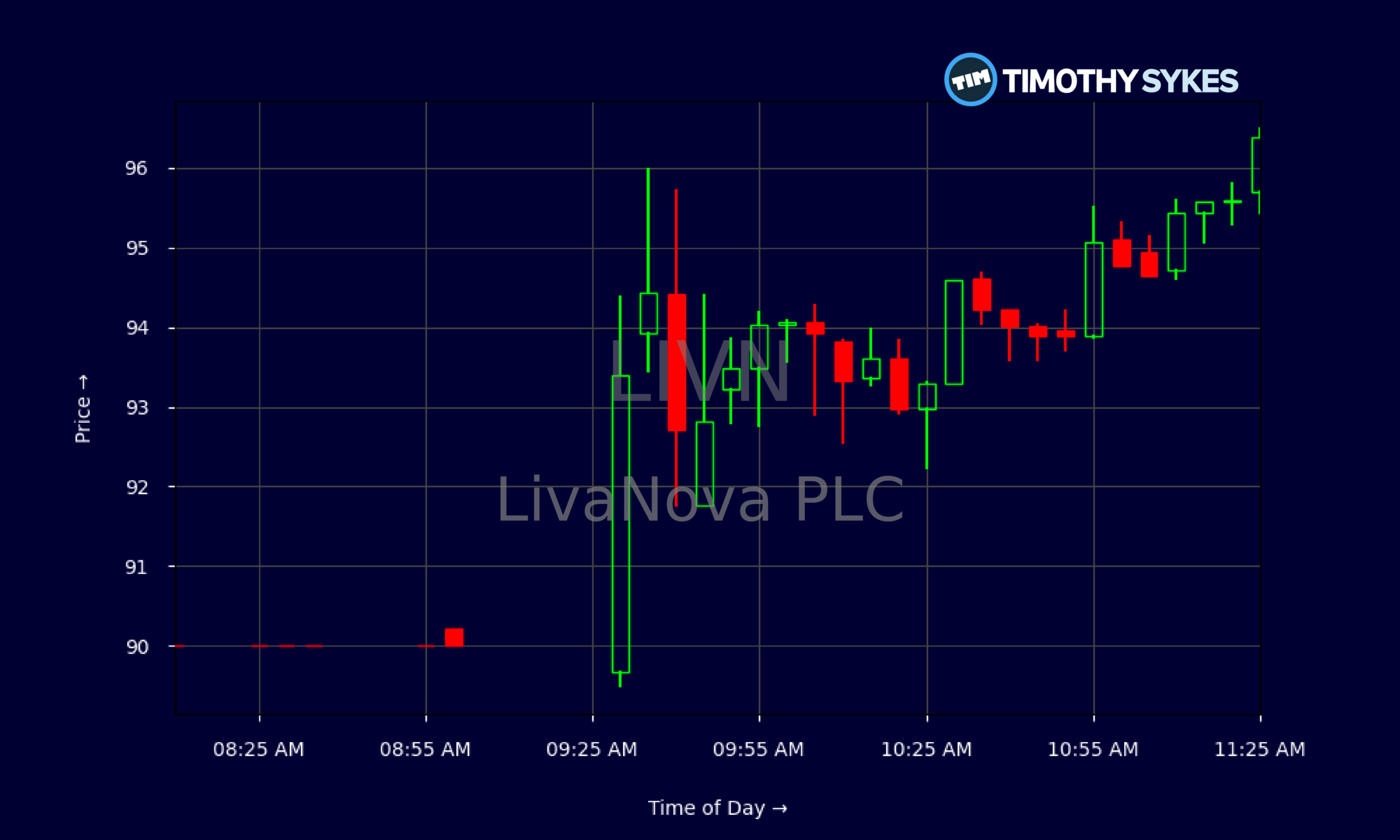
Live Update At 11:32:07 EST: On Wednesday, November 04, 2026 LivaNova PLC stock [NASDAQ: LIVN] is trending up by 19.77%! Discover the key drivers behind this movement as well as our expert analysis in the detailed breakdown below.
Quick Financial Overview
LIVN has quietly turned into a momentum chart. Over the last few weeks, LivaNova has climbed from the mid-$70s to a close of $96.40 on 2026/11/04, with a huge gap up from $89.68 at the open that day. That kind of range signals aggressive buying, not passive nibbling.
Looking under the hood, LivaNova’s fundamentals help explain why traders are finally paying attention. The company posted quarterly revenue of about $390.6M with gross margin near 67.8%, strong for a medtech name. Operating income of $49.5M and EBITDA of $43.7M show a solid core business, while net income of $108.6M and diluted EPS of $1.93 back up the bullish narrative.
More Breaking News
Valuation for LIVN is no longer “deep value,” but it is not stretched compared with high-flyer medtech peers. A P/E around 22.5 and price-to-sales near 2.9 sit in a reasonable growth range. Balance sheet strength adds another layer: current ratio at 1.5, quick ratio at 1.1, and total debt-to-equity at just 0.26 give LivaNova room to maneuver without stressing the capital structure. For traders, that combo of improving price action and solid fundamentals is the kind of setup worth tracking.
Why Traders Are Watching LIVN Right Now
The latest driver for LIVN is not a rumor mill spike; it is real news. Barclays has stepped in, initiating coverage of LivaNova with an Overweight rating and a $105 price target, and naming it one of its top small/mid-cap medical device ideas. When a major bank plants a flag like that, sentiment often shifts fast. Traders scan these calls to see where big money might flow next, and LivaNova is now on that list.
Context matters. Barclays is making this call after a stretch of underperformance across the medical devices group. Instead of bailing on the sector, the bank is hunting for quality names that were dragged down with the pack. LIVN is one of the names they highlight as a preferred rebound play. That frames LivaNova as both a momentum and mean-reversion story.
At the same time, there is real fundamental backup. LivaNova just reported 36‑month data from the CORE‑VNS study in Neuromodulation. The numbers are strong: a 76% median reduction in seizure frequency for drug‑resistant epilepsy patients using its VNS Therapy, plus clear improvements in hospitalizations, rescue medication use, seizure severity, and quality of life. For traders, that is critical. Strong long‑term clinical data helps defend pricing, supports reimbursement, and can widen the runway for the neuromodulation franchise.
Put it together and LIVN becomes more than just a chart with a gap. You have Barclays’ top‑idea label, a $105 target above current levels, a beaten‑down sector narrative, and fresh clinical validation. That blend explains the surge in LivaNova’s price and why short‑term and swing traders are locking LIVN onto their screens.
Conclusion
For active traders, LIVN is a live case study in how sentiment, technicals, and fundamentals can align. On the chart, LivaNova has broken out from a tight $78–$82 range into the mid‑$90s on expanding ranges and intraday volatility. That’s classic momentum behavior. The 09:30–11:30 tape on 2026/11/04 shows strong buying, with LIVN pushing from the low $90s toward the high of $96.49, and dips getting scooped quickly.
Fundamentally, LivaNova’s story looks stronger than the average medtech laggard. Solid revenue growth, high gross margins, manageable leverage, and positive free cash flow of roughly $35M in the latest quarter signal a business that can fund its own pipeline. The CORE‑VNS 36‑month data adds a durable edge to the neuromodulation franchise, which supports the longer‑term narrative behind the ticker.
Barclays putting an Overweight tag and a $105 price target on LIVN, and naming LivaNova a top smid‑cap idea, gives traders a clear institutional anchor level to watch. But the rules for trading this name do not change. As Tim Sykes always says, “Trade like a sniper, not a machine gun. Wait for your pattern, then strike and cut losses fast.” As millionaire penny stock trader and teacher Tim Sykes says, “Cut losses quickly, let profits ride, and don’t overtrade.”. For LivaNova, that means letting the chart confirm strength, respecting key support levels, and remembering this article is for educational and research purposes only, never a signal to buy or sell.
This is stock news, not investment advice. Timothy Sykes News delivers real-time stock market news focused on key catalysts driving short-term price movements. Our content is tailored for active traders and investors seeking to capitalize on rapid price fluctuations, particularly in volatile sectors like penny stocks. Readers come to us for detailed coverage on earnings reports, mergers, FDA approvals, new contracts, and unusual trading volumes that can trigger significant short-term price action. Some users utilize our news to explain sudden stock movements, while others rely on it for diligent research into potential investment opportunities.
Dive deeper into the world of trading with Timothy Sykes, renowned for his expertise in penny stocks. Explore his top picks and discover the strategies that have propelled him to success with these articles:
- Penny Stocks Trading Guide
- Best Penny Stocks Under $1 to Buy Today
- Top 8 Penny Stocks to Watch on Robinhood
Once you’ve got some stocks on watch, elevate your trading game with StocksToTrade the ultimate platform for traders. With specialized tools for swing and day trading, StocksToTrade will guide you through the market’s twists and turns.
Dig into StocksToTrade’s watchlists here:





Leave a reply