

Kiniksa Pharmaceuticals International plc stocks have been trading up by 22.98 percent following highly positive clinical trial news.
Key Takeaways
- Leadership change at Kiniksa Pharmaceuticals lifts focus on execution as Ross Moat steps up as president and COO, effective immediately.
- Upcoming Kiniksa Pharmaceuticals conference call and webcast on 2026/10/27 will cover Q3 2026 financial results and portfolio execution.
- Strong recent price action in KNSA shows buyers in control ahead of the earnings catalyst and fresh guidance from the new president and COO.
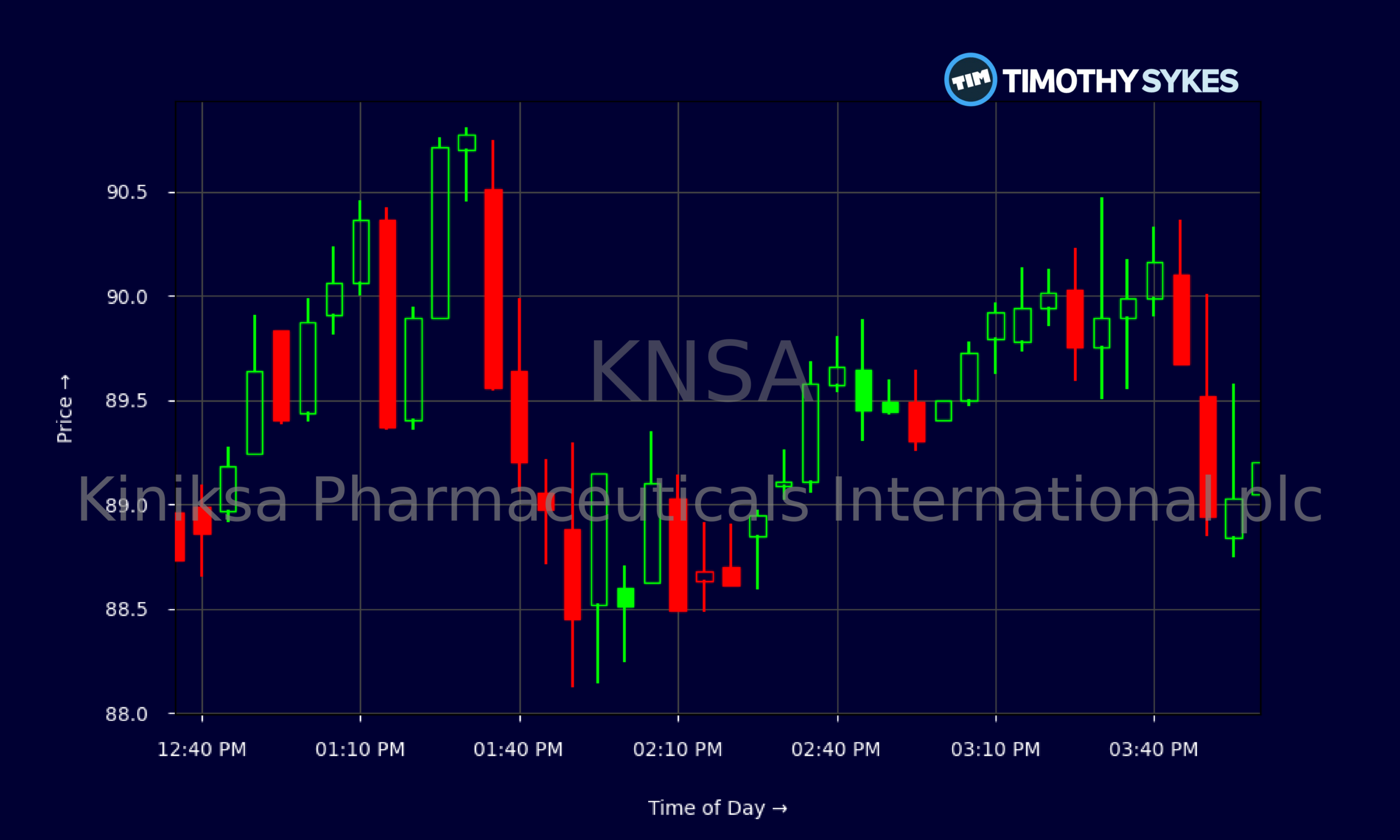
Live Update At 16:46:47 EDT: On Tuesday, October 27, 2026 Kiniksa Pharmaceuticals International plc stock [NASDAQ: KNSA] is trending up by 22.98%! Discover the key drivers behind this movement as well as our expert analysis in the detailed breakdown below.
Quick Financial Overview
Kiniksa Pharmaceuticals International plc has been trading like a name under accumulation. Over the past few weeks, KNSA has pushed from the mid‑$70s to close near $89, with the latest session tagging $90.80 intraday. That is a strong trend into the 2026/10/27 Q3 call, and traders should treat that date as a clear volatility catalyst.
Under the hood, Kiniksa Pharmaceuticals is not a story stock with no numbers. The company booked about $243.6M in quarterly revenue and posted net income of roughly $25.4M, which translates to diluted EPS near $0.30. With a gross margin of 70.6% and an EBIT margin above 13%, KNSA runs a high‑margin model for a commercial‑stage biotech.
More Breaking News
The balance sheet matters for traders who hate surprise offerings. Kiniksa Pharmaceuticals shows about $175.7M in cash and working capital near $497.4M, with total debt barely on the radar and a total‑debt‑to‑equity ratio around 0.01. Cash flow is positive too, with free cash flow of roughly $46.5M in the latest quarter. That combination of revenue growth, profitability, and a clean balance sheet gives KNSA room to keep funding its portfolio without desperate capital raises, which often crush momentum in this sector.
Why Traders Are Watching KNSA Leadership And Q3 Catalyst
The tape on Kiniksa Pharmaceuticals is already telling a story. Daily data show KNSA bouncing off the low‑$70s on 2026/10/26 and ripping to close above $89 on 2026/10/27, with a wide intraday range from $82.26 to $90.80. On the 5‑minute chart, KNSA held higher lows throughout the afternoon and closed near the top of the day’s range. That is classic strength into news.
Now layer in the leadership shift. Kiniksa Pharmaceuticals promoted Ross Moat, previously executive vice president and chief operating officer, to president and COO, effective immediately. For traders, an internal promotion like this usually signals continuity. The board is not yanking the wheel; it is doubling down on the current playbook. In a commercial‑stage biotech, that often means confidence in both sales execution and the broader pipeline plan.
KNSA traders should frame this promotion as an execution story, not just a title change. The COO role lives in the trenches: launches, market access, supply, and field teams. Elevating the same operator to president suggests Kiniksa Pharmaceuticals wants sharper operational control right as it heads into a key Q3 update.
The 2026/10/27 conference call and webcast is the next major data point. Management will walk through third‑quarter 2026 numbers and “recent portfolio execution.” That phrase matters. KNSA traders should listen for concrete details: revenue growth vs. prior quarters, any color on demand trends, and how cash is being deployed across programs. Equally important will be how Ross Moat communicates the roadmap now that he is president and COO. Strong, specific guidance often fuels follow‑through in names already trending like KNSA.
Conclusion
Kiniksa Pharmaceuticals sits at an interesting crossroads for active traders. KNSA has shown a firm uptrend on both the daily and intraday charts, pushing from the mid‑$70s to the high‑$80s with strong closes and limited late‑day selling. Underneath that price action, the company is profitable, throwing off free cash flow, and carrying minimal debt. That backdrop gives KNSA room to weather biotech volatility while continuing to drive its portfolio.
The leadership move adds another layer. By promoting Ross Moat to president and COO, Kiniksa Pharmaceuticals is effectively saying its current operational strategy is working well enough to hand more authority to the same architect. For traders, that often means fewer surprises and more focus on execution.
All eyes now turn to the 2026/10/27 Q3 call. Expect KNSA to trade like a catalyst name around that event, with potential for sharp moves based on revenue trends, margin commentary, and portfolio updates. This is exactly the type of setup momentum traders watch: strong chart, clear news date, and a fresh leadership angle.
As Tim Sykes loves to remind his students, “The market rewards preparation, not prediction.” As millionaire penny stock trader and teacher Tim Sykes, says, “It’s not about how much money you make; it’s about how much money you keep.”. For KNSA, that preparation means studying the recent price action, knowing the key numbers Kiniksa Pharmaceuticals has already posted, and being ready with a trading plan before the next headline hits. This article is for educational and research purposes only and is not investment advice.
This is stock news, not investment advice. Timothy Sykes News delivers real-time stock market news focused on key catalysts driving short-term price movements. Our content is tailored for active traders and investors seeking to capitalize on rapid price fluctuations, particularly in volatile sectors like penny stocks. Readers come to us for detailed coverage on earnings reports, mergers, FDA approvals, new contracts, and unusual trading volumes that can trigger significant short-term price action. Some users utilize our news to explain sudden stock movements, while others rely on it for diligent research into potential investment opportunities.
Dive deeper into the world of trading with Timothy Sykes, renowned for his expertise in penny stocks. Explore his top picks and discover the strategies that have propelled him to success with these articles:
- Penny Stocks Trading Guide
- Best Penny Stocks Under $1 to Buy Today
- Top 8 Penny Stocks to Watch on Robinhood
Once you’ve got some stocks on watch, elevate your trading game with StocksToTrade the ultimate platform for traders. With specialized tools for swing and day trading, StocksToTrade will guide you through the market’s twists and turns.
Dig into StocksToTrade’s watchlists here:





Leave a reply