

JetBlue Airways Corporation stocks have been trading up by 13.84 percent amid upbeat sentiment on improving travel demand.
Key Takeaways For JBLU Traders
- Q3 2026 for JBLU showed revenue of $2.81B vs. $2.83B expected and EPS of -$0.68 vs. -$0.55, with strong demand, better margins, and a renewed 2027–2028 profitability roadmap.
- Unit revenue for JetBlue jumped, with RASM up 18.4% year over year and standout Fort Lauderdale growth, while the airline offset most of a big fuel spike but still ran at a loss.
- Shares of JBLU climbed about 6% to $2.51 after earnings, snapping part of a brutal slide that left the stock down roughly 33% since September 1 and 36% year to date.
- JetBlue rolled out plans for BlueFirst domestic first-class plus richer TrueBlue perks and Premier card rewards, aiming to push higher-yield traffic and lock in more loyalty.
- Fort Lauderdale remains a core growth engine for JetBlue, with huge capacity growth, strong RASM, and new FLL–Cali, Colombia service feeding what will be its largest-ever schedule.
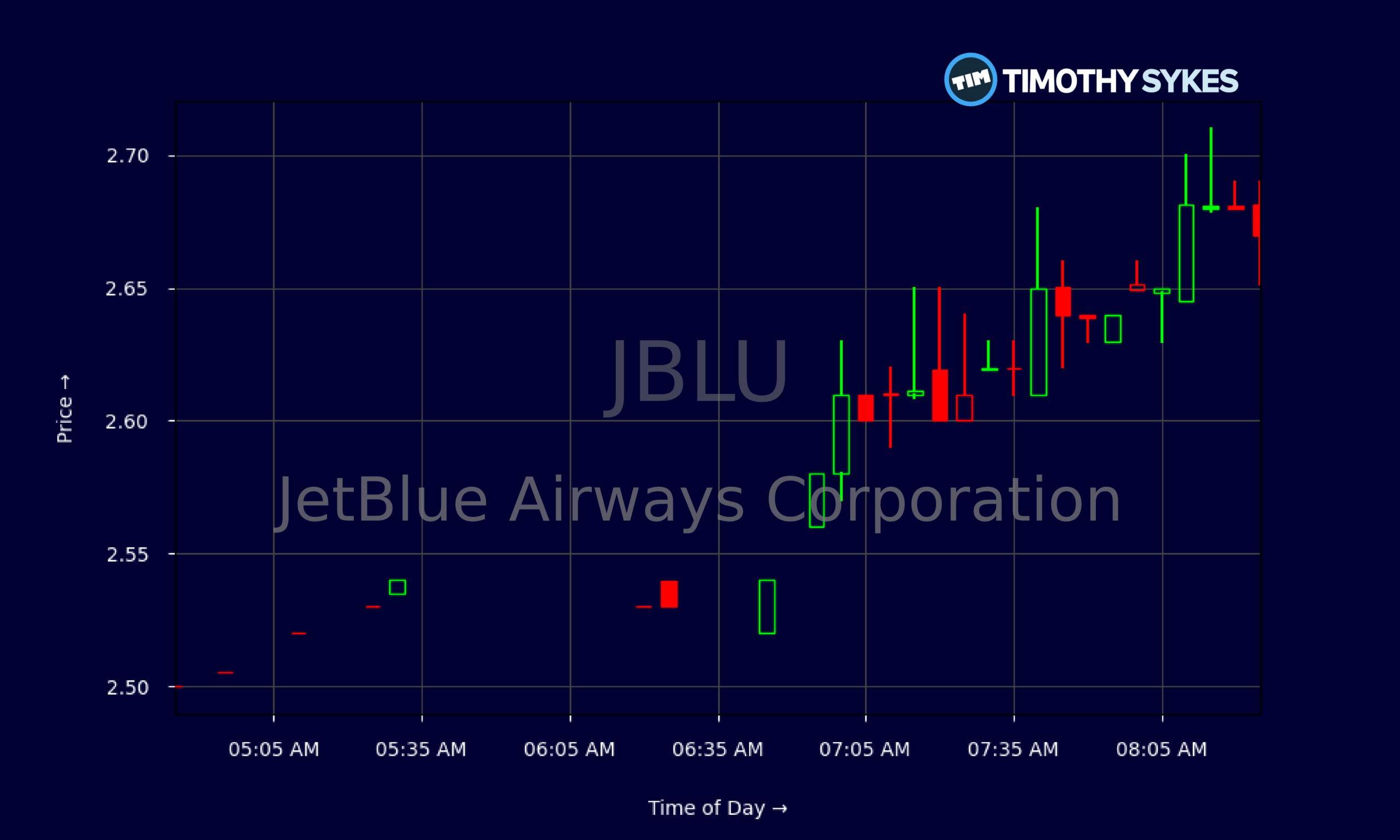
Live Update At 08:32:51 EDT: On Tuesday, October 27, 2026 JetBlue Airways Corporation stock [NASDAQ: JBLU] is trending up by 13.84%! Discover the key drivers behind this movement as well as our expert analysis in the detailed breakdown below.
Quick Financial Overview
JBLU has been trading like a turnaround lottery ticket. The daily chart shows a steep slide from above $4 in early October 2026 to $2.37 by 2026/10/26, a drawdown of roughly 40% in a few weeks. That kind of straight-line selling tells traders sentiment was washed out heading into Q3.
After earnings, JBLU bounced about 6% to $2.51. On the intraday tape, premarket action around $2.50–$2.70 shows tight, liquid trading with modest upticks, not a wild squeeze. This is more of a controlled repricing than a mania spike.
Fundamentally, JetBlue is still bleeding. Over the last reported quarter, revenue was $2.697B, but operating income came in at -$141M and net income at -$247M. Free cash flow was deeply negative at -$389M, and operating cash flow was -$155M. The key ratios confirm the stress: EBIT margin is -4.6%, net margin around -9.3%, and return on equity is sharply negative.
More Breaking News
Leverage is heavy. Total debt-to-equity sits at 5.91, with a leverageratio of 10.3 and current ratio just 0.7. That tells traders JBLU has little near-term balance-sheet cushion and lives and dies by cash generation, fuel prices, and demand staying hot.
Why Traders Are Watching JBLU’s Turnaround Story
The hook on JBLU right now is the clash between ugly near-term numbers and a cleaner, premium-focused roadmap. JetBlue’s Q3 2026 report showed RASM up 18.4% year over year and system revenue up 21.1%. Fort Lauderdale was the star: nearly 15% RASM growth on more than 65% capacity growth. That is serious pricing power, not just volume.
Even with fuel costs up 57% to $3.91 per gallon, JetBlue says it recaptured about 87% of the hit. Adjusted operating margins improved, and management guided to more margin expansion in Q4. Under its JetForward plan, JBLU is targeting sustained operating profitability in 2027 and at least $1 EPS plus positive free cash flow in 2028. For a $2–$3 stock, that’s an aggressive earnings promise if they hit it.
The market gave a cautious nod. JBLU shares jumped about 6% post-earnings to $2.51, but that move comes after a roughly 33% slide since 2026/09/01 and about 36% year-to-date damage. UBS upgraded JetBlue from Sell to Neutral, trimming its target to $3.50 and stressing that liquidity looks adequate through most of 2027, helped by cash, an undrawn revolver, and unencumbered aircraft.
But UBS also expects JetBlue to raise about $1B in debt in 2027 and stay free-cash-flow negative until at least 2028 unless fuel eases and demand stays this strong. That’s the tension JBLU traders need to track: improving unit economics and product strategy versus prolonged cash burn and higher leverage.
Strategically, JetBlue is leaning hard into premium and loyalty. BlueFirst, a new domestic first-class cabin, goes live on more than 30 non-Mint routes starting 2026/12. It links into the Mosaic upgrade structure, giving JBLU a richer fare ladder and more hooks into frequent flyers. On top of that, from 2027/02/01, the enhanced TrueBlue program brings complimentary space-available BlueFirst upgrades for Mosaic members, flexible “Perks You Pick,” and extra JetBlue Premier credit card benefits.
Add network expansion—like new daily Fort Lauderdale–Cali, Colombia flights feeding more than 150 daily FLL departures this winter—and you get a clear revenue-upgrade story. For active traders, that mix of premium product, loyalty upsell, and Latin America growth is what can fuel those big RASM gains the company is already flashing.
Conclusion
For JBLU, this is still a turnaround, not a victory lap. The Q3 2026 numbers prove JetBlue can drive strong yields and unit revenue even in a nasty fuel environment, and Fort Lauderdale plus new routes into Colombia show where that growth is coming from. BlueFirst and the revamped TrueBlue program give JetBlue more tools to tilt its mix toward higher-paying, more loyal customers.
But the financial reality is simple: JetBlue is loss-making today, free cash flow is sharply negative, leverage is high, and major sell-side coverage still only sits at Neutral with a $3.50 target and an underweight stance from the broader street. UBS’s view that JBLU may need about $1B in new debt in 2027 underscores the equity risk if the macro backdrop turns.
For traders, JBLU is a classic “story vs. balance sheet” setup. The story—JetForward, premium cabins, loyalty, Fort Lauderdale strength—is real and backed by the latest RASM and margin trends. The balance sheet and cash burn are just as real.
Tim Sykes hammers the same lesson here: “The market doesn’t care about your hopes — only your discipline. Trade the price action, cut losses fast, and let the story confirm over time, not the other way around.” As millionaire penny stock trader and teacher Tim Sykes says, “It’s better to go home at zero than to go home in the red.”. This coverage of JBLU is for educational and research purposes only, and every trader needs to build their own plan, size appropriately, and respect risk above all.
This is stock news, not investment advice. Timothy Sykes News delivers real-time stock market news focused on key catalysts driving short-term price movements. Our content is tailored for active traders and investors seeking to capitalize on rapid price fluctuations, particularly in volatile sectors like penny stocks. Readers come to us for detailed coverage on earnings reports, mergers, FDA approvals, new contracts, and unusual trading volumes that can trigger significant short-term price action. Some users utilize our news to explain sudden stock movements, while others rely on it for diligent research into potential investment opportunities.
Dive deeper into the world of trading with Timothy Sykes, renowned for his expertise in penny stocks. Explore his top picks and discover the strategies that have propelled him to success with these articles:
- Penny Stocks Trading Guide
- Best Penny Stocks Under $1 to Buy Today
- Top 8 Penny Stocks to Watch on Robinhood
Once you’ve got some stocks on watch, elevate your trading game with StocksToTrade the ultimate platform for traders. With specialized tools for swing and day trading, StocksToTrade will guide you through the market’s twists and turns.
Dig into StocksToTrade’s watchlists here:





Leave a reply