
Nebius Group N.V. rallies as investors cheer its AI cloud expansion, with stocks have been trading up by 11.35 percent.
Key Takeaways
- Long-term 50‑MW deal at AIB’s southeastern U.S. data center gives Nebius Group multiyear power and capacity visibility for AI workloads.
- A new $3.5B, 364‑day secured facility arms Nebius Group N.V. with cash to expand data centers and buy more GPUs, but also adds refinancing pressure within a year.
- Shares of NBIS pushed higher after Nebius bought Inferize, tightening its focus on faster deployment and scaling of large AI models.
- Nebius Group rolled out live GPU spot pricing, new usage-based billing features, and a bigger Nvidia-backed builder program with $10M in compute grants.
- Nvidia CEO Jensen Huang flagged Nebius as a “neocloud” facing intense AI demand but also capital and power bottlenecks, especially in Europe.
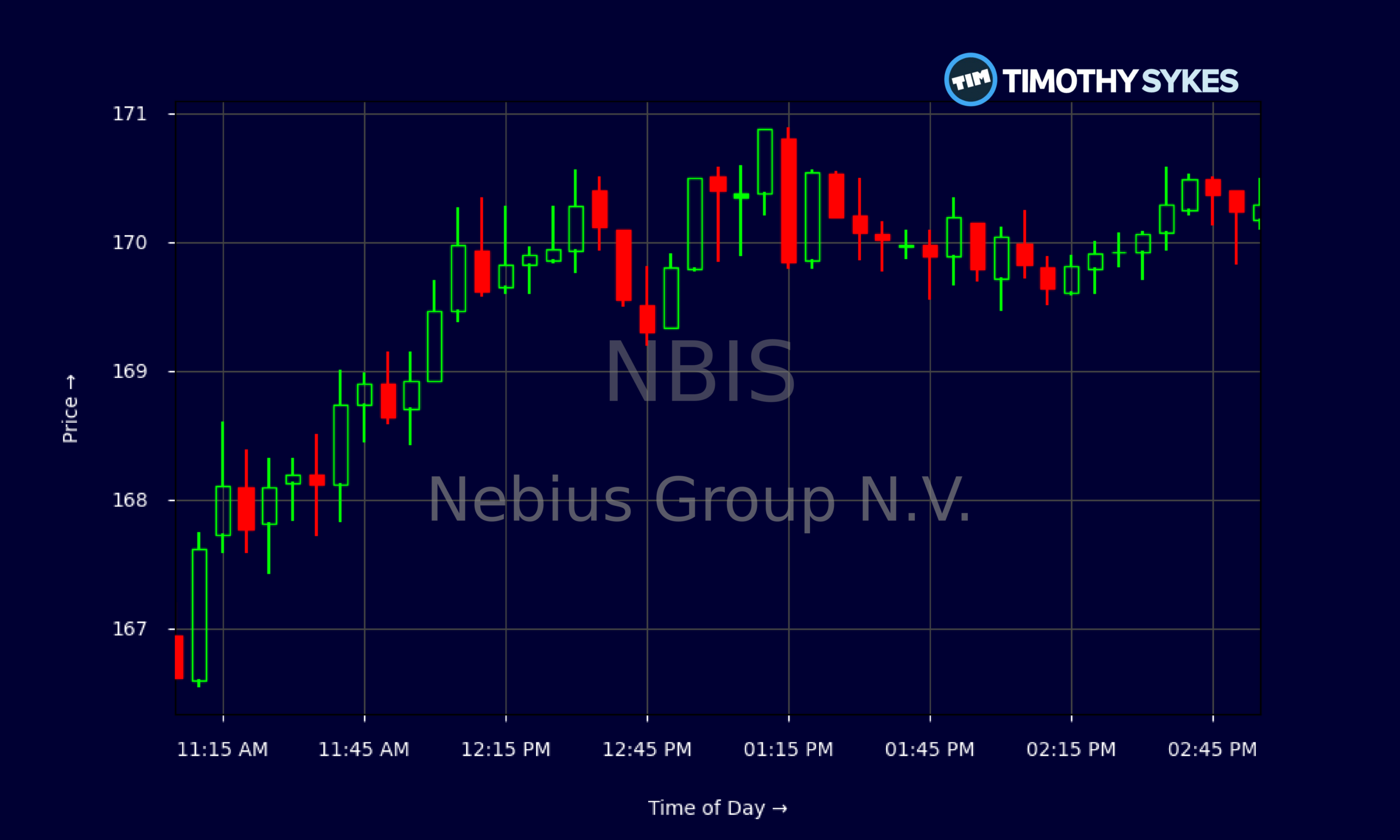
Live Update At 15:02:22 EDT: On Tuesday, October 27, 2026 Nebius Group N.V. stock [NASDAQ: NBIS] is trending up by 11.35%! Discover the key drivers behind this movement as well as our expert analysis in the detailed breakdown below.
Quick Financial Overview
NBIS has been trading like a high‑beta AI proxy. Over the past few weeks, Nebius Group N.V. slid from the low $240s to near $170, a sharp drawdown that resets expectations but keeps the stock well above its recent lows. That kind of range tells traders this is not a sleepy cloud name; it’s a momentum vehicle tied to AI narratives.
The latest session shows NBIS closing near $170.67 after a strong intraday ramp from a $159 open. The 5‑minute chart is a stair-step grind higher, not a straight vertical spike. That matters. It suggests steady buying, not just one headline chase.
Fundamentals are classic early‑stage AI infrastructure. Nebius Group reported roughly $529.8M in revenue against an eye‑popping price‑to‑sales ratio above 9,500 and a price‑to‑book over 1,100. Profitability metrics like return on assets and return on equity are negative, while enterprise value sits near $41.68B. In plain English, NBIS trades on future capacity and AI demand, not current earnings.
More Breaking News
On the balance sheet, Nebius Group N.V. holds about $3.68B in cash and short‑term investments against $4.10B of long‑term debt, plus heavy property, plant, and equipment tied to data centers. That leverage, combined with big AI growth spend, is why NBIS reacts so violently to any news on funding, GPUs, or power access.
Why Traders Are Watching NBIS Right Now
All the big AI themes are colliding at once for NBIS. Nebius Group N.V. just locked in a 50‑MW capacity commitment at AIB’s southeastern U.S. data center under a 12‑year deal. In the AI world, reliable power and racks are the real scarcity. This agreement effectively reserves long‑term “runway” for Nebius Group to host training and inference workloads in a key U.S. region. For traders, that looks like visibility on future utilization instead of a pure hope story.
At the same time, Nebius Group secured a $3.5B 364‑day senior secured credit facility, priced at Term SOFR plus 2.75–3.50%. That is serious firepower. NBIS now has fresh capital to accelerate GPU purchases and expand data centers. The flip side is clear: in under a year, Nebius Group N.V. needs either to roll that facility, refinance, or pay it down, all while rates remain elevated. Momentum traders may love the growth angle; risk‑focused players will watch that maturity date like a hawk.
Nebius is not just stacking hardware. With the Inferize acquisition, Nebius Group adds technology that shortens time‑to‑launch and scaling for large AI models. That pushes NBIS a bit higher up the stack, closer to where budgets are growing fastest. The market response was positive, with Nebius shares ticking higher after the deal.
Product‑wise, NBIS is leaning into transparency and flexibility. Nebius Group started publishing live GPU spot prices, extended its Nvidia‑backed AI builder program across Europe with another $10M in compute credits, and rolled out reserve auctions, pay‑as‑you‑go options, plus a pilot that lets customers return idle GPUs for credit. That whole package screams “developer‑friendly neocloud” instead of old‑school hosting.
Add Nvidia CEO Jensen Huang publicly naming Nebius as one of the neoclouds facing “extremely strong demand” for AI infrastructure. That is third‑party validation most small‑cap cloud names never get. His warning on working‑capital and European power constraints explains why Nebius Group is raising so much debt and hunting for power‑dense locations like AIB’s site.
Layer on top a pattern of NBIS pre‑market pops and drops tied to WallStreetBets and chatroom buzz, and you get a stock where real fundamentals and pure sentiment constantly collide. Traders need to respect both.
Conclusion
NBIS sits right at the heart of the AI data‑center buildout trade. Nebius Group N.V. is locking up power with a 50‑MW U.S. capacity deal, arming itself with a $3.5B short‑term facility, and buying specialized tech like Inferize to speed up large‑model deployment. On top of that, Nebius Group is tweaking pricing with live GPU spot rates and novel credit schemes to keep utilization high.
At the same time, the numbers remind you this is not a value play. Nebius Group sports a sky‑high price‑to‑sales and price‑to‑book, negative profitability, and heavy leverage tied to capital‑intensive data centers. Nvidia’s praise for Nebius as a neocloud leader comes with a warning label on working capital and European energy constraints. NBIS trades where story, balance sheet risk, and macro power bottlenecks all intersect.
For short‑term traders, the recent bounce from the $150s to around $170, supported by orderly intraday buying, shows that NBIS can trend when news and sentiment align. The WallStreetBets spikes and air‑pockets are a reminder to size small and cut fast. As millionaire penny stock trader and teacher Tim Sykes, says, “Preparation plus patience leads to big profits.”. Or as Tim Sykes loves to tell students, “The market doesn’t care about your opinion, only your discipline.” Treat Nebius Group N.V. as a high‑volatility AI infrastructure classroom, not a comfort stock. This is educational and research material only, not trading advice.
This is stock news, not investment advice. Timothy Sykes News delivers real-time stock market news focused on key catalysts driving short-term price movements. Our content is tailored for active traders and investors seeking to capitalize on rapid price fluctuations, particularly in volatile sectors like penny stocks. Readers come to us for detailed coverage on earnings reports, mergers, FDA approvals, new contracts, and unusual trading volumes that can trigger significant short-term price action. Some users utilize our news to explain sudden stock movements, while others rely on it for diligent research into potential investment opportunities.
Dive deeper into the world of trading with Timothy Sykes, renowned for his expertise in penny stocks. Explore his top picks and discover the strategies that have propelled him to success with these articles:
- Penny Stocks Trading Guide
- Best Penny Stocks Under $1 to Buy Today
- Top 8 Penny Stocks to Watch on Robinhood
Once you’ve got some stocks on watch, elevate your trading game with StocksToTrade the ultimate platform for traders. With specialized tools for swing and day trading, StocksToTrade will guide you through the market’s twists and turns.
Dig into StocksToTrade’s watchlists here:





Leave a reply