

Hertz Global Holdings Inc stocks have been trading down by -7.49 percent amid intensifying concerns over restructuring and demand outlook.
Key Takeaways
- Morgan Stanley cut its HTZ price target from $3 to $2.50 but kept an Equal Weight rating, flagging weaker expectations without a full-on bearish call.
- Shares of HTZ jumped 15% in one session and added another 1.9% premarket, turning Hertz into a momentum outlier among mostly weaker WallStreetBets names.
- The very next day, HTZ slipped 1.9% premarket, mirroring a broader WallStreetBets pullback and reminding traders how fast sentiment flips.
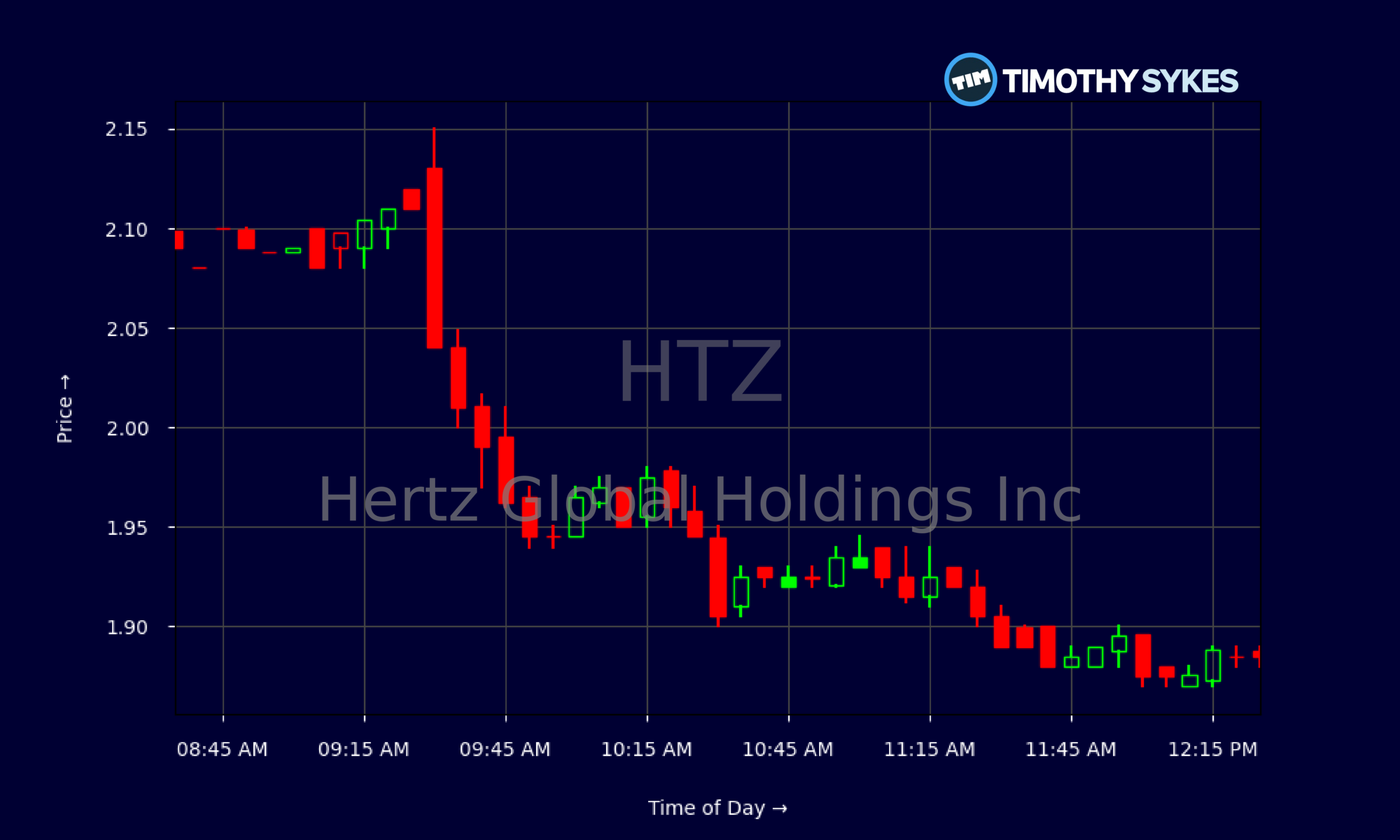
Live Update At 12:31:49 EDT: On Monday, October 26, 2026 Hertz Global Holdings Inc stock [NASDAQ: HTZ] is trending down by -7.49%! Discover the key drivers behind this movement as well as our expert analysis in the detailed breakdown below.
Quick Financial Overview
HTZ is trading like a low‑priced rollercoaster, and the fundamentals back up why traders treat it as a pure trading vehicle rather than a safe harbor. Recent daily data show Hertz Global Holdings Inc swinging between about $1.70 and $2.45, with the latest close near $1.89 after failing to hold a morning push above $2.10. That intraday fade tells you supply is still heavy overhead.
Under the hood, HTZ generates serious revenue — about $8.50B over the trailing period — with a fat 75% gross margin. But by the time interest, fleet costs, and special charges run through, profit margins flip negative at roughly -3%. Management is squeezing an EBIT margin near 1.6% and EBITDA margin around 9.2%, so the core business is grinding, not collapsing, yet the capital structure is heavy.
More Breaking News
The balance sheet for Hertz Global Holdings Inc is loaded with leverage. Long‑term debt runs around $17.5B on total assets of about $23.9B, and common equity sits at roughly -$628M, which explains the negative book value per share. Traders see a classic story: strong top line, thin margins, aggressive debt, and a low share price that responds quickly to any shift in sentiment around HTZ.
Why Traders Are Watching HTZ So Closely
HTZ has become a textbook momentum playground. One day, Hertz Global Holdings Inc rips 15% on strong speculative demand, then tacks on another 1.9% in premarket trading. In a tape where other WallStreetBets names were soft, HTZ stood out as the outlier, the one name still flashing green while the rest stalled. That sort of relative strength pulls in day traders like a magnet.
But the snapback was just as sharp. The following premarket session, HTZ slipped 1.9%, handing back part of a modest prior gain as the entire meme‑style basket sagged. This is the rhythm of Hertz right now — fast moves, short memory, and no patience for late entries. Traders chasing HTZ after the 15% surge learned quickly that momentum without a plan can turn into a trap.
Overlay that with the latest analyst signal. Morgan Stanley trimmed its HTZ price target from $3 to $2.50 and still called the stock Equal Weight. That’s not a pounding-the-table sell, but it is a clear admission that long‑term expectations have cooled. For active traders, this matters: the Street is effectively saying “limited upside” while the crowd trades Hertz Global Holdings Inc like a lotto ticket.
This tension — cautious Wall Street vs. aggressive retail momentum — is what creates opportunity. When HTZ squeezes, it can ignore the $2.50 target for a while. When the party ends, that same target acts like gravity. Smart traders on Hertz watch both the meme chatter and the analyst bar, then use volatility rather than trusting any single narrative.
Conclusion
Hertz Global Holdings Inc sits in a dangerous sweet spot for traders: fundamentally stretched, heavily leveraged, and yet liquid enough to host big daily swings. HTZ prints billions in revenue and positive EBITDA, but negative equity and high debt keep longer‑horizon expectations muted — exactly what Morgan Stanley signaled with its price‑target cut from $3 to $2.50 while keeping Equal Weight. The message is simple: HTZ is not broken, but the upside runway is capped in the eyes of the Street.
Price action, however, tells a different short‑term story. A 15% surge followed by a 1.9% premarket pop, then a 1.9% slide the next day, shows Hertz trading like a meme‑adjacent name, not a sleepy car‑rental stock. For day traders, those swings are the opportunity. For anyone slow to cut risk, they’re the danger.
HTZ rewards discipline and punishes hope. Clear levels, tight risk, and a willingness to walk away matter more here than any long thesis. As Tim Sykes loves to say, “The market doesn’t care about your opinion, it cares about your discipline.” As millionaire penny stock trader and teacher Tim Sykes, says, “The goal is not to win every trade but to protect your capital and keep moving forward.”. Traders studying HTZ should treat that as the rule, not the exception — especially when a stock lives on momentum while the analysts quietly lower the bar.
This is stock news, not investment advice. Timothy Sykes News delivers real-time stock market news focused on key catalysts driving short-term price movements. Our content is tailored for active traders and investors seeking to capitalize on rapid price fluctuations, particularly in volatile sectors like penny stocks. Readers come to us for detailed coverage on earnings reports, mergers, FDA approvals, new contracts, and unusual trading volumes that can trigger significant short-term price action. Some users utilize our news to explain sudden stock movements, while others rely on it for diligent research into potential investment opportunities.
Dive deeper into the world of trading with Timothy Sykes, renowned for his expertise in penny stocks. Explore his top picks and discover the strategies that have propelled him to success with these articles:
- Penny Stocks Trading Guide
- Best Penny Stocks Under $1 to Buy Today
- Top 8 Penny Stocks to Watch on Robinhood
Once you’ve got some stocks on watch, elevate your trading game with StocksToTrade the ultimate platform for traders. With specialized tools for swing and day trading, StocksToTrade will guide you through the market’s twists and turns.
Dig into StocksToTrade’s watchlists here:





Leave a reply