

Neighborhood Intelligence Inc. stocks have been trading down by -9.45 percent amid heightened concerns over its latest regulatory investigation.
Key Takeaways
- Fathom and Neighborhood Intelligence mutually terminated their planned merger after concluding current market valuations do not reflect fair value, opting instead for loose tech and data collaboration.
- The company will retain direct control of its blockchain and digital asset holdings instead of contributing them to a combined entity with Fathom.
- A registered direct deal for about 16.5M shares or pre-funded warrants at $2.76 triggered roughly a 24% one-day slide in NXH on heavy trading volume.
- Neighborhood Intelligence, formerly Bed Bath & Beyond, paired the 16.5M-share offering with warrants for 16.1M more shares, deepening dilution fears as the stock dropped about 25%.
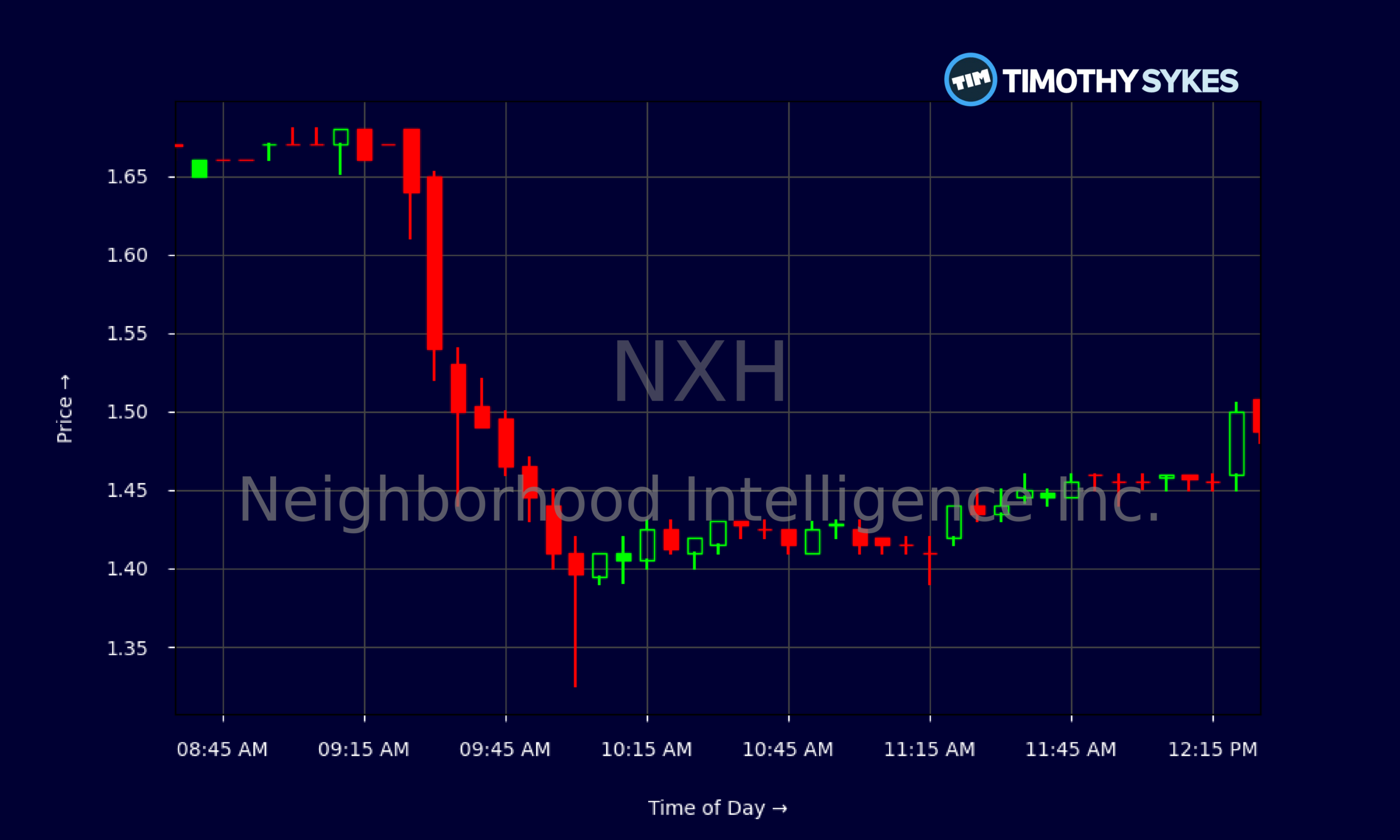
Live Update At 12:32:01 EDT: On Monday, October 26, 2026 Neighborhood Intelligence Inc. stock [NASDAQ: NXH] is trending down by -9.45%! Discover the key drivers behind this movement as well as our expert analysis in the detailed breakdown below.
Quick Financial Overview
Neighborhood Intelligence Inc. (NXH) is trading like a wounded momentum name. The daily chart shows a sharp breakdown from $2.92 on 2026/10/02 to $1.48 by 2026/10/26, a drawdown of close to 50%. That slide tracks the registered direct offering and the merger breakup headlines, which ripped out near-term bullish catalysts.
On the tape, NXH has shifted from a $2–$3 story to a mid-$1 grind. The latest session opened at $1.65 and closed at $1.485, with a nasty early flush to $1.325 before stabilizing. The 5‑minute chart tells the story of weak bounces: every push toward $1.50–$1.52 was sold, with volume fading into midday as day traders lost interest.
More Breaking News
Fundamentally, NXH is still a turnaround project. Quarterly revenue of about $361.2M on trailing revenue near $1.04B sounds big, but the company printed a net loss of about $39.5M in the latest quarter and burned roughly $43.4M in free cash flow. With price-to-sales around 0.16 and price-to-book roughly 0.87, the market is pricing NXH like a distressed asset. That discount may attract active traders, but it also signals ongoing skepticism about the path back to profitability.
Why Traders Are Watching NXH After Merger Collapse
Traders are glued to Neighborhood Intelligence Inc. right now because the story just flipped from “merger momentum” to “dilution and doubt.” NXH had a clear narrative when the Fathom tie-up was on the table. Now, that near-term growth script is gone. Both companies walked away from the merger after saying current market valuations do not reflect fair value. Translation for traders: management thinks the stock is mispriced, but also no longer has a big headline deal to re-rate it.
Instead, NXH and Fathom are talking about a looser collaboration built around data sharing and complementary technologies. That’s nice, but it is a soft catalyst compared with a full merger. Traders looking for clean, binary setups now face fuzzy timelines and less defined synergies.
At the same time, NXH is keeping its blockchain and digital asset bets in-house. Retaining those assets preserves upside if the crypto cycle heats up again, yet it also keeps the volatility and execution risk squarely on Neighborhood Intelligence’s balance sheet. For short-term traders, that means more headline risk and potentially sharper swings.
Layer on the registered direct offering — about 16.5M shares at $2.76, plus warrants for another 16.1M shares — and the picture gets heavier. That structure effectively hangs a supply cloud over NXH. The market noticed fast: the stock gave up roughly a quarter of its value on high volume once the deal hit. For pattern traders, that’s the classic “gap down, fade all day” setup. Until the new supply is fully digested and the market accepts the dilution, the upside on NXH rallies is likely capped and ripe for short-term trading rather than trend following.
Conclusion
Neighborhood Intelligence Inc. is in a classic post-dilution, post-catalyst vacuum, and that’s exactly when disciplined traders step back and let the chart do the talking. NXH has been crushed from the high $2s into the mid-$1s after walking away from the Fathom merger and announcing that 16.5M‑share registered direct deal at $2.76 with 16.1M additional warrants. The market read that combo as a clear negative: more supply, fewer obvious growth levers, and no immediate strategic partner to lean on.
Yet volatile names like NXH often become trading classrooms in real time. The company still controls its blockchain and digital asset investments, still moves tens of millions of dollars in quarterly revenue, and still trades below book value. That mix of size, brand history as the former Bed Bath & Beyond, and technical weakness keeps drawing day traders back to the tape.
The key is to treat Neighborhood Intelligence as a trading vehicle, not a hope-and-pray story. As Tim Sykes loves to remind students, “The market doesn’t care about your opinion, only your preparation.” As millionaire penny stock trader and teacher Tim Sykes, says, “Small gains add up over time; focus on building wealth gradually, not chasing jackpots.”. For NXH, that means mapping support and resistance, respecting the dilution overhang, and cutting losses quickly when bounces fail. This article is for educational and research purposes only, but one lesson is clear: in a broken chart like NXH, risk management is the only real edge.
This is stock news, not investment advice. Timothy Sykes News delivers real-time stock market news focused on key catalysts driving short-term price movements. Our content is tailored for active traders and investors seeking to capitalize on rapid price fluctuations, particularly in volatile sectors like penny stocks. Readers come to us for detailed coverage on earnings reports, mergers, FDA approvals, new contracts, and unusual trading volumes that can trigger significant short-term price action. Some users utilize our news to explain sudden stock movements, while others rely on it for diligent research into potential investment opportunities.
Dive deeper into the world of trading with Timothy Sykes, renowned for his expertise in penny stocks. Explore his top picks and discover the strategies that have propelled him to success with these articles:
- Penny Stocks Trading Guide
- Best Penny Stocks Under $1 to Buy Today
- Top 8 Penny Stocks to Watch on Robinhood
Once you’ve got some stocks on watch, elevate your trading game with StocksToTrade the ultimate platform for traders. With specialized tools for swing and day trading, StocksToTrade will guide you through the market’s twists and turns.
Dig into StocksToTrade’s watchlists here:




Leave a reply