

TeraWulf Inc. faces heightened pressure as regulatory and energy-cost concerns dominate sentiment, and its stocks have been trading down by -15.04 percent.
Key Takeaways Traders Need To Know
- Neocloud and GPU data-center operators such as Nebius, IREN, Applied Digital, TeraWulf, and CoreWeave saw share gains.
- Elon Musk warned that debt markets have “almost entirely shut off” to AI data centers lacking significant non-AI revenue.
- Morgan Stanley flagged financing and capacity-deployment uncertainty for CoreWeave, underscoring broader concerns around AI data-center funding.
- WULF shares are pushing higher even as its fundamentals show steep losses and heavy cash burn.
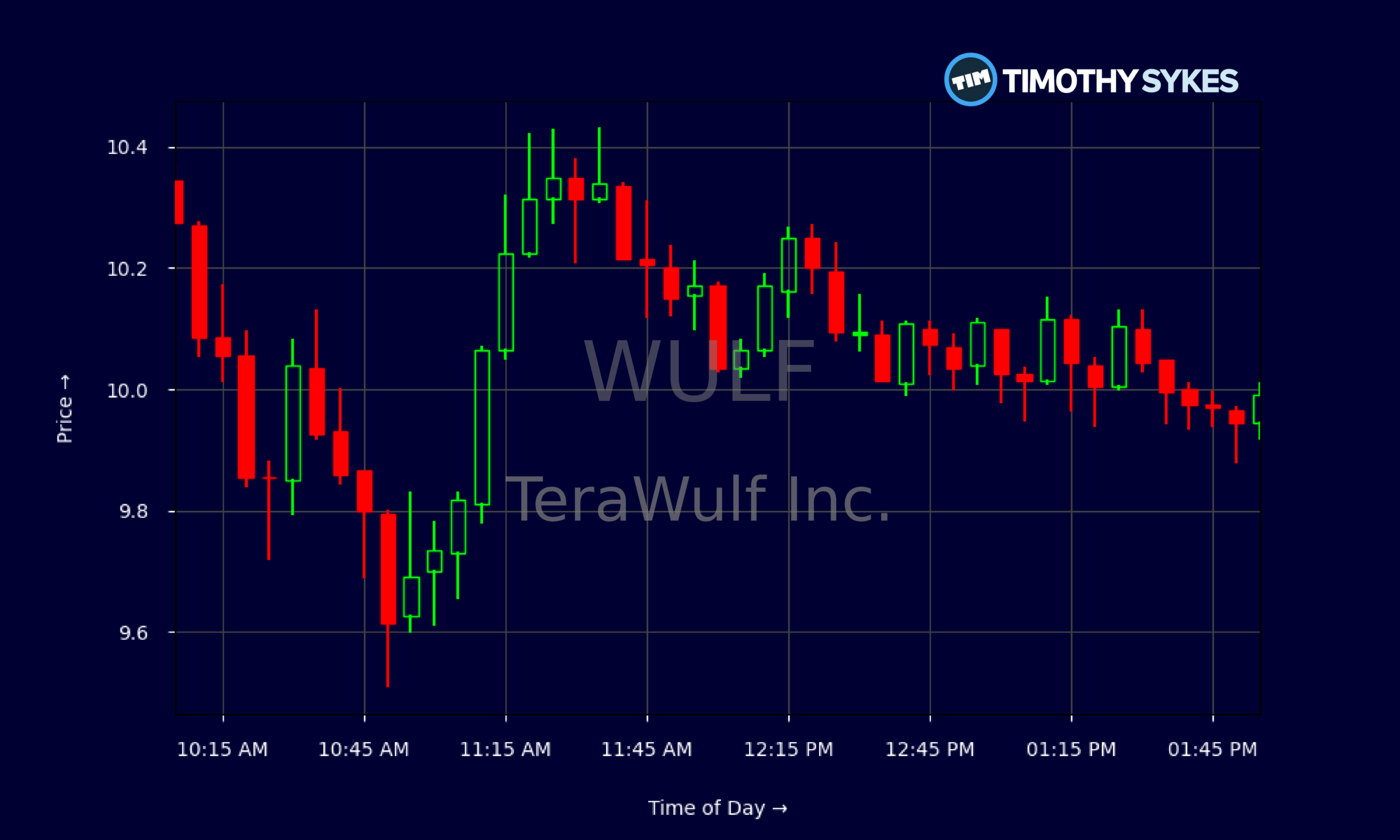
Live Update At 14:02:19 EST: On Thursday, November 05, 2026 TeraWulf Inc. stock [NASDAQ: WULF] is trending down by -15.04%! Discover the key drivers behind this movement as well as our expert analysis in the detailed breakdown below.
Quick Financial Overview
TeraWulf Inc. (WULF) is riding the AI data-center wave, but its financials show a very different story than the chart. WULF booked about $44.8M in quarterly revenue, yet it posted a huge net loss of roughly $939.9M for the same period. That is a massive gap between what WULF brings in and what it spends to build and run its GPU-heavy infrastructure.
Gross margin near 84% looks strong on paper, but once operating and financing costs hit, WULF’s operating income flips to around -$140.1M and EBITDA to about -$861.3M. Free cash flow was roughly -$992.3M, showing intense cash burn as TeraWulf scales data-center capacity.
More Breaking News
On the balance sheet, WULF carries about $4.02B of long-term debt and total liabilities near $7.90B, versus only $147.3M of stockholders’ equity. The current ratio of 0.8 tells traders WULF is tight on near-term liquidity. For a fast-growing AI infrastructure name, that leverage can fuel upside if the story works, but it also raises real dilution and refinancing risk if funding windows narrow.
Why Traders Are Watching WULF Right Now
WULF has become a pure momentum playground around the AI data-center theme. The news backdrop explains why. Neocloud, Nebius, IREN, Applied Digital, TeraWulf, and CoreWeave all saw share gains as traders kept piling into anything tied to GPU capacity. At the same time, Elon Musk warned that debt markets have “almost entirely shut off” to AI data centers without solid non-AI revenue, and Morgan Stanley highlighted financing and deployment uncertainty for CoreWeave.
That tension is exactly what makes WULF so tradable. On the one hand, TeraWulf sits in the middle of the AI compute build-out, which the market is still treating as a land rush. On the other, WULF’s own numbers show heavy losses, negative cash flow, and a capital structure that needs friendly markets to keep funding growth.
The daily chart reflects this push and pull. Over the last several sessions, WULF ran from mid-teens down toward the high-$9s, with multiple wide-range days and heavy intraday swings. The latest close around $9.93 marked a sharp drop from an $11.30 open, telling traders that profit-taking has finally hit after prior runs.
Intraday, the 5-minute tape shows WULF fading from the low-$11s in premarket down below $10, then grinding in a tight $9.90–$10.20 band. That pattern screams “battle zone” between late longs and dip buyers. For short-term traders, WULF remains all about liquidity, range, and reacting to every AI data-center headline in real time, not about long-term comfort with the balance sheet.
Conclusion
For active traders, WULF is a classic story-stock in an unforgiving tape. The AI data-center narrative pushed TeraWulf and peers higher even while big voices like Elon Musk warn that debt markets are closing to the very same projects. Morgan Stanley calling out CoreWeave’s financing and deployment uncertainty only adds to the cloud hanging over this space. WULF is caught right in the middle of that storm.
On the numbers, TeraWulf is not a quiet compounder. It is burning close to $1B of free cash flow, carries over $4B in long-term debt, and shows deeply negative returns on equity and assets. Yet WULF keeps attracting traders because the stock offers range, volume, and a front-row seat to AI infrastructure speculation. The chart tells you where sentiment is; the financials remind you why volatility stays high.
This is where discipline matters. WULF rewards traders who treat it as a trading vehicle, not a comfort blanket. Tight risk, clear levels, and no hesitation cutting losses are essential when you’re dealing with a name this volatile. As millionaire penny stock trader and teacher Tim Sykes says, “You must adapt to the market; the market will not adapt to you.”. As Tim Sykes likes to say, “The market doesn’t care about your opinion, only your discipline — your only real edge is how fast you cut losses and how hard you study the patterns.”
This is stock news, not investment advice. Timothy Sykes News delivers real-time stock market news focused on key catalysts driving short-term price movements. Our content is tailored for active traders and investors seeking to capitalize on rapid price fluctuations, particularly in volatile sectors like penny stocks. Readers come to us for detailed coverage on earnings reports, mergers, FDA approvals, new contracts, and unusual trading volumes that can trigger significant short-term price action. Some users utilize our news to explain sudden stock movements, while others rely on it for diligent research into potential investment opportunities.
Dive deeper into the world of trading with Timothy Sykes, renowned for his expertise in penny stocks. Explore his top picks and discover the strategies that have propelled him to success with these articles:
- Penny Stocks Trading Guide
- Best Penny Stocks Under $1 to Buy Today
- Top 8 Penny Stocks to Watch on Robinhood
Once you’ve got some stocks on watch, elevate your trading game with StocksToTrade the ultimate platform for traders. With specialized tools for swing and day trading, StocksToTrade will guide you through the market’s twists and turns.
Dig into StocksToTrade’s watchlists here:





Leave a reply