
CoreWeave Inc. stocks have been trading up by 2.99 percent amid strong investor optimism over its expanding AI infrastructure capacity.
Key Takeaways
- Goldman Sachs upgraded CRWV from Neutral to Buy after a debt-driven selloff, sparking roughly a 7% bounce following last week’s double-digit slide.
- Nvidia’s CEO called CoreWeave financially stronger with a falling cost of capital and said Nvidia, a ~10% shareholder, does not expect to provide financial support.
- A multi-billion-dollar India expansion with AdaniConneX will add 240 MW of AI data center capacity in Navi Mumbai, with room to scale to 480 MW by mid-2028.
- A new tie-up with Perplexity and Akamai brings SPACE, a defensive AI security tool, onto CoreWeave’s cloud, sharpening CRWV’s enterprise-focused product story.
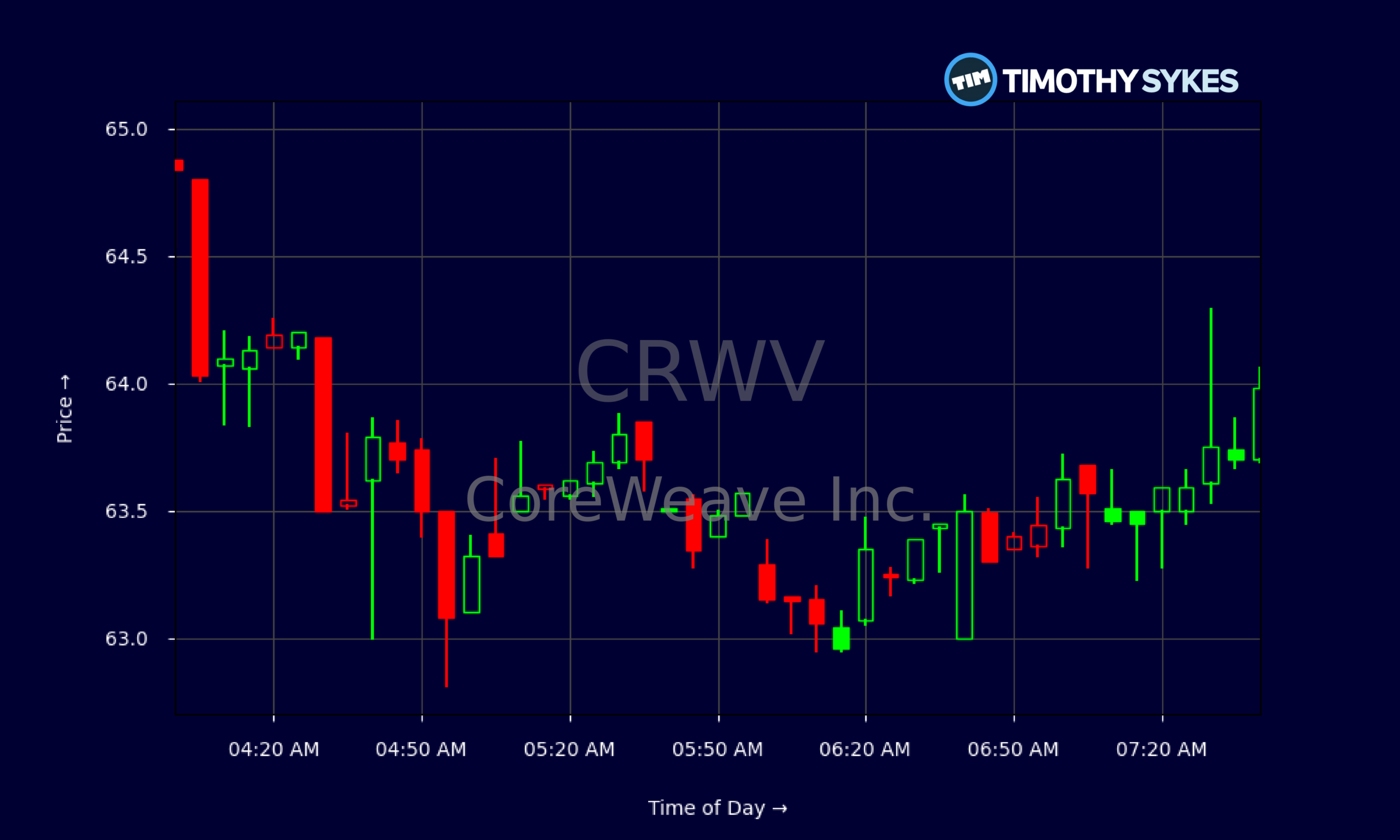
Live Update At 07:47:37 EDT: On Wednesday, October 21, 2026 CoreWeave Inc. stock [NASDAQ: CRWV] is trending up by 2.99%! Discover the key drivers behind this movement as well as our expert analysis in the detailed breakdown below.
Quick Financial Overview
CRWV has been on a wild ride. In early October, CoreWeave traded near the high-$80s and low-$90s. By 2026/10/20, it had slid into the low-$60s, with a close around $62.13 after several sharp down days. That is a deep pullback for a high‑beta AI infrastructure name.
Under the hood, CoreWeave is a classic high-growth, high-burn story. Revenue runs around $5.13B, and gross margin is a huge 90.6%, which tells traders the core AI cloud service is very high value. But profit margins are firmly negative, and returns on equity and assets sit well below zero. CRWV is plowing cash into capacity.
The balance sheet shows why debt headlines rattled traders. Total liabilities sit near $72.0B against about $5.0B of equity, with total‑debt‑to‑equity above 3 and a leverage ratio above 15. Current and quick ratios below 1 highlight tight liquidity. At the same time, CRWV raised a lot of debt and capital to build out infrastructure, driving enterprise value near $80B and a price‑to‑sales multiple around 6.
More Breaking News
For active traders, that mix—high growth potential, big leverage, and heavy capex—creates both breakout upside and sharp downside when sentiment turns.
Why Traders Are Watching CRWV Now
CRWV is back on radar because sentiment just flipped hard. After a debt and credit‑risk scare knocked CoreWeave into a double‑digit weekly decline, Goldman Sachs stepped in with a Buy upgrade from Neutral. That single call helped drive about a 7% rebound, right as broader US tech and AI names were bouncing from an AI‑driven selloff.
For momentum traders, that combination is powerful. You have a beaten‑down AI infrastructure leader, CRWV, with a fresh Wall Street catalyst and a sector‑wide risk‑on backdrop. Short sellers who pressed the debt story are now dealing with a squeeze, while dip‑buyers see a defined support zone in the low‑$60s after the prior collapse from the $80–$90 range.
Credit worries are not gone, but Nvidia’s public comments changed the tone. Nvidia’s CEO described CoreWeave as financially stronger, with its cost of capital falling, and said Nvidia—owning roughly 10% of the company—does not expect to step in with financial support. For traders, that reads as “no bailout needed,” which undercuts the worst‑case narrative.
At the same time, CoreWeave is not just talking balance sheet. The CRWV–AdaniConneX collaboration in India lays out a 240 MW AI data center build in Navi Mumbai, expandable to 480 MW, with several billion dollars earmarked and a mid‑2028 start. That is long‑dated, but it screams aggressive global expansion. Layer on the Perplexity deal—SPACE defensive AI tooling integrated with CoreWeave and Akamai—and you have a story where CRWV is trying to differentiate on both scale and security, a combo that keeps traders glued to the tape.
Conclusion
For short‑term trading, CRWV sits at the crossroads of fear and growth. The chart shows a hard downtrend from about $90 into the low‑$60s, followed by a sharp relief bounce tied directly to the Goldman Sachs upgrade and a broader tech rebound. Every headline about CoreWeave’s debt and credit risk now has a counterweight: Nvidia signaling confidence and no need for rescue funding.
Longer term, the CoreWeave–AdaniConneX buildout in India and the Perplexity SPACE integration reinforce CRWV’s position as an AI infrastructure and security platform, not just another cloud name. Those projects demand heavy spending, which feeds the leverage debate. But they also explain why revenue is growing fast and why gross margins remain thick.
Active traders should remember what Tim Sykes pounds into students every day: “The market doesn’t care about your opinion, it cares about price action—focus on the trend, manage your risk, and cut losses quickly.” As millionaire penny stock trader and teacher Tim Sykes says, “Consistency is key in trading; don’t let emotions dictate your trades.” With CoreWeave, that means respecting both the volatility and the catalysts, and sticking to a disciplined trading plan regardless of headlines or hype. CRWV has the ingredients for massive moves in both directions. As always, this coverage is for educational and research purposes only and is not investment advice.
This is stock news, not investment advice. Timothy Sykes News delivers real-time stock market news focused on key catalysts driving short-term price movements. Our content is tailored for active traders and investors seeking to capitalize on rapid price fluctuations, particularly in volatile sectors like penny stocks. Readers come to us for detailed coverage on earnings reports, mergers, FDA approvals, new contracts, and unusual trading volumes that can trigger significant short-term price action. Some users utilize our news to explain sudden stock movements, while others rely on it for diligent research into potential investment opportunities.
Dive deeper into the world of trading with Timothy Sykes, renowned for his expertise in penny stocks. Explore his top picks and discover the strategies that have propelled him to success with these articles:
- Penny Stocks Trading Guide
- Best Penny Stocks Under $1 to Buy Today
- Top 8 Penny Stocks to Watch on Robinhood
Once you’ve got some stocks on watch, elevate your trading game with StocksToTrade the ultimate platform for traders. With specialized tools for swing and day trading, StocksToTrade will guide you through the market’s twists and turns.
Dig into StocksToTrade’s watchlists here:





Leave a reply