

SK hynix Inc. stocks have been trading down by -3.52 percent amid reports of weakening memory chip demand and pricing pressures.
Key Takeaways
- Micron Technology and SK Hynix shares fell 4.8% and 6.3%, respectively, after reports that China’s CXMT claimed a breakthrough in DRAM and a new 4F2 data center chip design due by year‑end.
- SK Hynix shares are down over 6% premarket after Chinese rival CXMT announced a claimed DRAM breakthrough, amplifying competitive worries for SKHY traders.
- SK Hynix stock slid 3.7%, likely in sympathy with Micron, as CXMT’s DRAM headlines hit sentiment across the DRAM group.
- SK Hynix shares dropped 4% in sympathy with Micron after CXMT’s reported DRAM advance, signaling possible long‑term pressure on memory pricing power.
- SK hynix has reportedly accepted a 10% price increase on ASML spare parts for EUV/DUV tools, pointing to higher future equipment operating costs for SKHY.
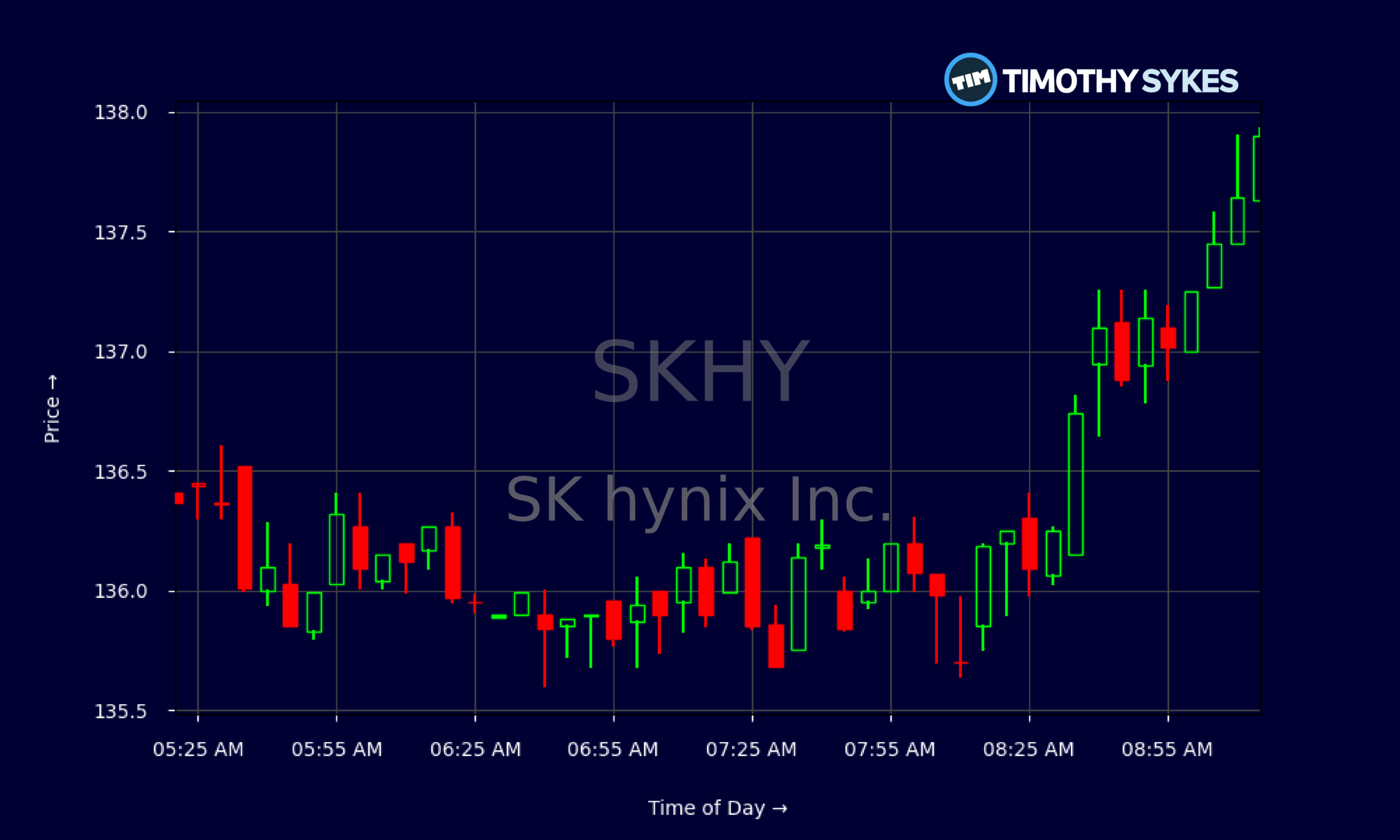
Live Update At 09:18:54 EDT: On Tuesday, October 20, 2026 SK hynix Inc. stock [NASDAQ: SKHY] is trending down by -3.52%! Discover the key drivers behind this movement as well as our expert analysis in the detailed breakdown below.
Quick Financial Overview
SKHY has been trading like a textbook downtrend on the daily chart. From a recent high near $195 in early 2026/10, SKHY has slid to around $143 by 2026/10/19. That is a sharp pullback of more than 25% in just a few weeks. For short‑term traders, that kind of move screams “momentum shift.”
The intraday 5‑minute tape around $136–$138 shows SKHY grinding in a tight range, with small candles and modest wicks. That usually signals indecision and digestion after heavy selling. Bulls are trying to hold the line, but there is no clear aggressive buying yet.
More Breaking News
Fundamentals tell a different story. SK hynix Inc. posts revenue of roughly ₩97.1T and a very low P/E around 3.76, with price‑to‑sales near 17.04 and price‑to‑book about 13.74. Return on invested capital is a hefty 73.54, and balance‑sheet data show strong equity of roughly ₩120.5T. For longer‑term, fundamentally minded traders, SKHY screens as a high‑quality memory leader under pressure from news flow rather than collapsing business performance.
Why Traders Are Watching SKHY Now
SKHY is in the spotlight because the news flow hits at the heart of the DRAM story: technology leadership and cost structure. Reports that China’s CXMT has claimed a breakthrough in DRAM technology, plus a new 4F2 data center chip design planned by year‑end, shook the whole memory group. Micron dropped 4.8%, and SK hynix shares slid about 6.3% on that same cluster of headlines.
For SKHY traders, this is not just another headline. DRAM has always been a game of scale, tech node leadership, and pricing discipline. When CXMT claims a leap forward, the market immediately asks whether margins for established names like SK hynix Inc. are at risk. That is why SK Hynix stock has seen multiple hits: down over 6% premarket on one CXMT headline, then separate 3.7% and 4% drops in sympathy moves as more reports crossed the tape.
Layered on top of that, SK hynix has reportedly accepted about a 10% price increase on ASML spare parts for EUV and DUV tools. Another report said SK Hynix shares fell 2.3% on news ASML will raise those replacement‑part prices starting in 2027. For SKHY, that means higher future equipment operating costs just as traders are already questioning long‑term DRAM pricing and share gains in the face of CXMT’s push.
So SKHY is now a clean sentiment gauge. Every new chip, data center, or China‑related headline is moving it. Day traders should treat this like a catalyst‑driven momentum name, not a sleepy mega‑cap.
Conclusion
For active traders, SKHY sits at the crossroads of two big pressures: rising competition from China’s CXMT and rising costs from ASML’s spare‑parts hikes. The price action reflects that tension. From roughly $195 to the low $140s in a few weeks, SK Hynix stock has repriced faster than the underlying fundamentals have visibly changed.
Balance‑sheet numbers still show a large, profitable player with heavy assets and strong equity. But the tape does not care about long‑term models right now. It cares about whether CXMT’s claimed DRAM and 4F2 data center advances are real, and how much margin pressure SK hynix Inc. might face if Chinese rivals narrow the tech gap. Add the accepted 10% ASML spare‑parts increase, and traders have a clear narrative: earnings risk from both price and cost.
For SKHY, that sets up the kind of environment Tim Sykes and his community focus on—volatile charts, heavy volume, and sharp reactions to every headline. As millionaire penny stock trader and teacher Tim Sykes, says, “Preparation plus patience leads to big profits.”. As Tim likes to hammer home, “Volatility is opportunity, but only for traders who are prepared and disciplined.” This is educational and research material, not a signal to buy or sell. Use SKHY’s current volatility to study how news, charts, and fundamentals collide, then build your own trading plan around that reality.
This is stock news, not investment advice. Timothy Sykes News delivers real-time stock market news focused on key catalysts driving short-term price movements. Our content is tailored for active traders and investors seeking to capitalize on rapid price fluctuations, particularly in volatile sectors like penny stocks. Readers come to us for detailed coverage on earnings reports, mergers, FDA approvals, new contracts, and unusual trading volumes that can trigger significant short-term price action. Some users utilize our news to explain sudden stock movements, while others rely on it for diligent research into potential investment opportunities.
Dive deeper into the world of trading with Timothy Sykes, renowned for his expertise in penny stocks. Explore his top picks and discover the strategies that have propelled him to success with these articles:
- Penny Stocks Trading Guide
- Best Penny Stocks Under $1 to Buy Today
- Top 8 Penny Stocks to Watch on Robinhood
Once you’ve got some stocks on watch, elevate your trading game with StocksToTrade the ultimate platform for traders. With specialized tools for swing and day trading, StocksToTrade will guide you through the market’s twists and turns.
Dig into StocksToTrade’s watchlists here:





Leave a reply