

CoreWeave Inc. faces mounting pressure as regulatory scrutiny of its AI data centers intensifies, and stocks have been trading down by -3.71 percent.
Key Takeaways
- Shares of CRWV dropped over 12% after heavy co‑founder stock sales collided with worries over CoreWeave’s rising debt and credit risk in a broad tech rotation.
- Reports show CoreWeave co‑founders have unloaded about $3.3B in stock since the March 2025 IPO, including $2.4B in 2026 alone, stoking fears of insider caution and overhang.
- CRWV remains under scrutiny after last week’s sharp sell‑off, with traders eyeing broader jitters across AI and “neo‑cloud” names.
- Trading in CoreWeave has been highly volatile, with Wallstreetbets‑driven spikes, a 5.9% surge, a quick 3.9% premarket drop, and only modest rebounds since.
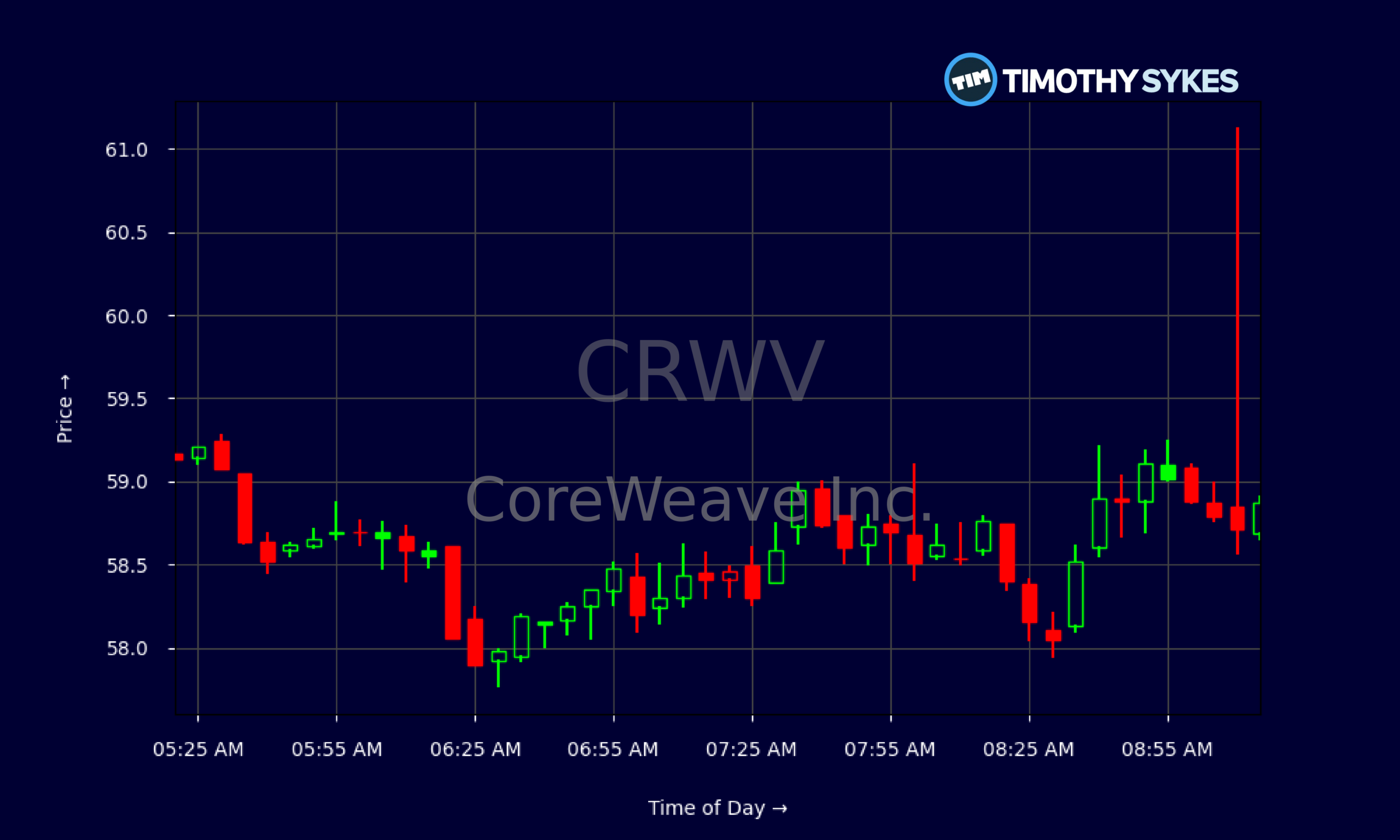
Live Update At 09:18:48 EDT: On Tuesday, October 20, 2026 CoreWeave Inc. stock [NASDAQ: CRWV] is trending down by -3.71%! Discover the key drivers behind this movement as well as our expert analysis in the detailed breakdown below.
Quick Financial Overview
CoreWeave, trading under ticker CRWV, looks like a classic high‑growth, high‑risk story on the numbers. Revenue for the latest quarter came in at about $2.58B, with gross margin near 90%, showing the core AI infrastructure business throws off strong unit economics. But the bottom line tells a different story. CRWV posted a net loss of roughly $626M and a negative profit margin in the mid‑20% range, so scale is not yet translating into consistent profits.
Leverage is the big red flag for traders. CoreWeave’s total debt to equity stands above 3x, with a leverage ratio around 15. Current and quick ratios of 0.5 and 0.4 signal a tight liquidity position, meaning short‑term obligations loom large. Interest coverage is thin at about 2.4 times, which makes every rate move and credit headline matter.
More Breaking News
On the chart, CRWV has slid from the mid‑$80s to low‑$60s in recent sessions, breaking prior support near $70 and $80. That sharp downtrend, paired with weak cash flow — free cash flow was about -$5.7B — tells traders they are dealing with a story stock, not a balance‑sheet fortress.
Why Traders Are Watching CRWV Volatility
CRWV has moved from AI market darling to cautionary tale in a matter of days. The catalyst was blunt: reports that CoreWeave’s three co‑founders sold about $3.3B of stock since the March 2025 IPO, including $2.4B dumped in 2026. Once that insider‑selling data hit the tape, CRWV was already down more than 5% in premarket trading and ultimately finished one session off more than 12%.
For momentum traders, that is a major character change. When leadership at CoreWeave is seen cashing out billions while the company carries a heavy debt load, the market reads it as a confidence check. The worry is not only “Why are they selling?” but also “Who will absorb this supply?” That perceived overhang becomes its own technical headwind as rallies into resistance meet sellers faster.
At the same time, this is not happening in a vacuum. CRWV’s plunge lines up with a broader rotation out of high‑growth tech and AI names. Traders who chased CoreWeave on the AI boom are now reassessing as leverage and credit risk move front and center. Wallstreetbets activity has amplified every move — a 5.9% rip one day, a 3.9% premarket fade the next, then modest 1%–4% bounces alongside other retail favorites.
This mix of heavy insider selling, sector risk‑off, and retail speculation makes CRWV a pure volatility play. Short‑term traders are drawn to the big intraday ranges, but they also know that news flow around debt, credit, or more insider sales can reset the trend in a heartbeat.
Conclusion
For active traders studying CRWV, the message from the tape and the financials is the same: this is a crowded, leveraged AI bet now trading under a cloud of insider selling. CoreWeave’s strong revenue growth and fat gross margins are real, but so are the net losses, negative free cash flow, and a balance sheet stuffed with more than $27B of long‑term debt and sizable lease obligations.
Price action confirms that sentiment has flipped. CRWV has broken down from the $80–$90 zone to the low‑$60s, with premarket gaps, heavy selling on insider headlines, and only tentative rebounds driven by Wallstreetbets‑style trading. The market is treating CoreWeave less like a stable compounder and more like a trading vehicle that can swing 10%–15% in a day.
For newer traders, this is where discipline matters. CoreWeave offers range, but also real downside if sector jitters in AI and “neo‑cloud” deepen or more insider sales emerge. As millionaire penny stock trader and teacher Tim Sykes, says, “You must adapt to the market; the market will not adapt to you.”. As Tim Sykes often says, “Volatility is opportunity for prepared traders, but a trap for lazy ones.” CRWV now sits firmly in that high‑volatility camp — a name to study closely, plan tightly, and treat as a trading lesson, not a comfort stock.
This is stock news, not investment advice. Timothy Sykes News delivers real-time stock market news focused on key catalysts driving short-term price movements. Our content is tailored for active traders and investors seeking to capitalize on rapid price fluctuations, particularly in volatile sectors like penny stocks. Readers come to us for detailed coverage on earnings reports, mergers, FDA approvals, new contracts, and unusual trading volumes that can trigger significant short-term price action. Some users utilize our news to explain sudden stock movements, while others rely on it for diligent research into potential investment opportunities.
Dive deeper into the world of trading with Timothy Sykes, renowned for his expertise in penny stocks. Explore his top picks and discover the strategies that have propelled him to success with these articles:
- Penny Stocks Trading Guide
- Best Penny Stocks Under $1 to Buy Today
- Top 8 Penny Stocks to Watch on Robinhood
Once you’ve got some stocks on watch, elevate your trading game with StocksToTrade the ultimate platform for traders. With specialized tools for swing and day trading, StocksToTrade will guide you through the market’s twists and turns.
Dig into StocksToTrade’s watchlists here:





Leave a reply