

Myriad Genetics Inc. soars as strong genetic testing advances lift investor optimism; stocks have been trading up by 22.8 percent
Key Takeaways
- Craig-Hallum doubled its price target on MYGN to $8, pointing to a potential double or more in 4–6 months if execution stays on track.
- TD Cowen nudged its MYGN target to $4.50 and highlighted large markets, fast test volume growth, and margin upside ahead of Q3 earnings on 2026/11/04.
- A three-way collaboration with SOPHiA GENETICS and AstraZeneca aims to make MYGN’s PrGIS prostate biomarker a new companion diagnostic.
- The prostate-focused deal initially knocked MYGN and SOPHiA shares down 2–3%, showing near-term trader caution despite long-term upside.
- CMS’s 2027 fee proposal brings up to ~15% cuts on some MYGN codes, but analysts see only minimal earnings impact and more headline risk than real damage.
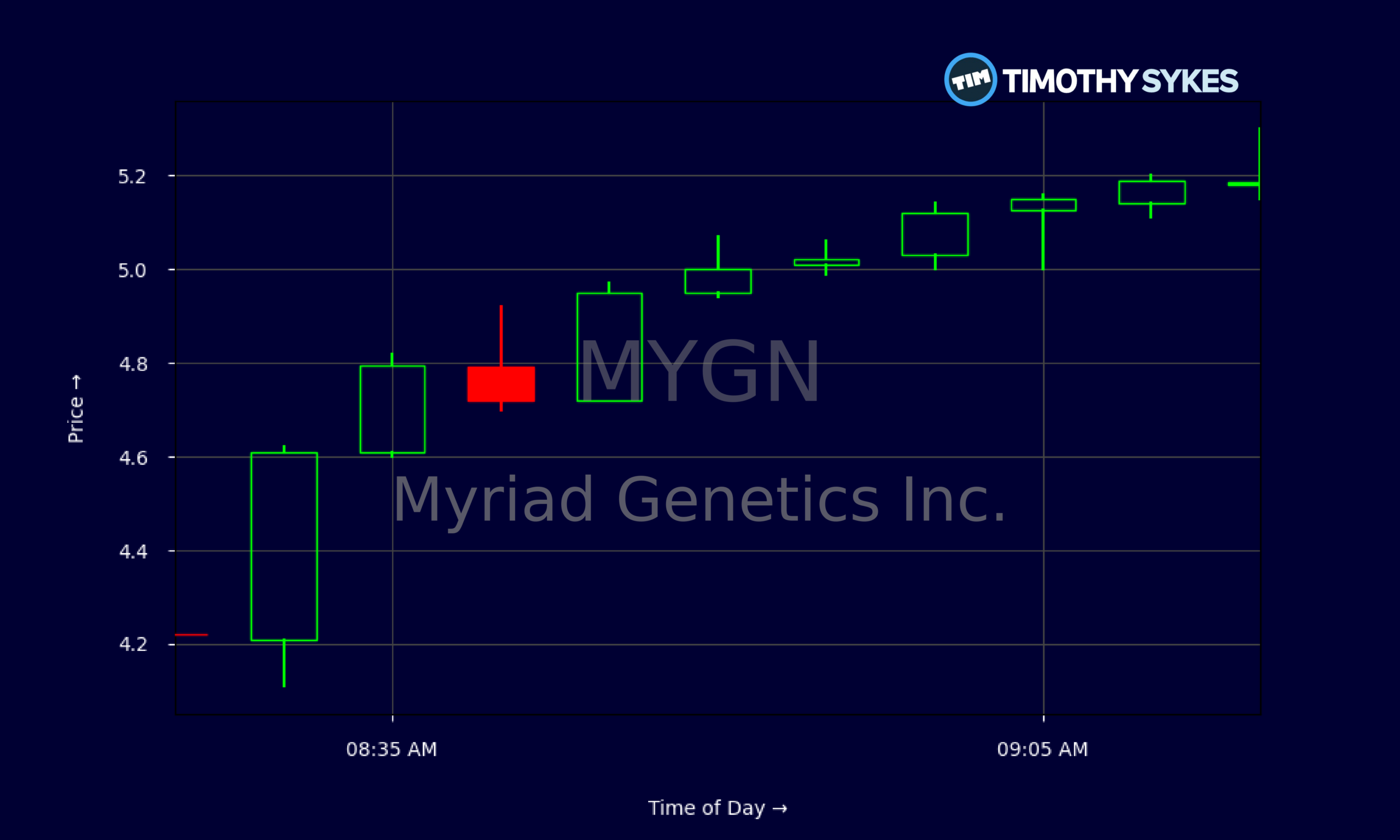
Live Update At 09:18:46 EDT: On Tuesday, October 20, 2026 Myriad Genetics Inc. stock [NASDAQ: MYGN] is trending up by 22.8%! Discover the key drivers behind this movement as well as our expert analysis in the detailed breakdown below.
Quick Financial Overview
MYGN is a classic turnaround-style chart wrapped around a real business. On the daily tape, MYGN has been chopping between roughly $4.00 and $4.60 over the past few weeks, with brief spikes toward $4.82 followed by quick fades back into the low $4s. That range tells traders the market is still undecided, but willing to buy dips when the story heats up.
Intraday, MYGN recently squeezed from about $4.21 at the open to above $5.20 in less than an hour. That kind of +20% intraday push signals strong momentum money hiding in the name. For day traders, MYGN clearly still has range when a catalyst hits.
More Breaking News
Fundamentally, Myriad Genetics posted about $190.7M in quarterly revenue and roughly $824.5M over the trailing year, with a hefty 68.8% gross margin. The problem is further down the income statement: operating income is negative, net income is about -$43.2M for the latest quarter, and MYGN’s return on equity and assets are both deeply in the red. Cash burn matters, but the balance sheet carries about $115.2M in cash, a current ratio of 2.2, and total debt that’s manageable relative to equity. For active traders, MYGN screens as a low-priced growth turnaround, not a steady compounder.
Why Traders Are Watching MYGN Now
MYGN has suddenly become a story stock again, and that’s when traders should pay attention. The headline driver is Myriad Genetics’ push into prostate cancer with its PrGIS genomic instability score, riding on the same MyChoice CDx platform already used in ovarian cancer. By teaming up with SOPHiA GENETICS and AstraZeneca, MYGN is trying to lock itself in as a key diagnostic gatekeeper for HRD-driven therapies.
That matters for trading because companion diagnostics often tie directly to specific cancer drugs. If AstraZeneca and others lean on MYGN’s PrGIS tool in trials and future labels, every scripted therapy can translate into testing volume. Traders don’t need a PhD here: more tests, more revenue, more potential upside for MYGN’s top line.
The twist is how the market reacted. When Sophia Genetics and Myriad Genetics formally announced the collaboration, both stocks actually dipped 2–3% on the day. That pullback shows short-term skepticism or simple “sell the news” behavior, not necessarily a broken thesis. For active traders, that type of reaction often sets up second-leg moves once data or additional deals confirm the story.
Analysts are already lining up on the bullish side. Craig-Hallum doubled its price target on MYGN from $4 to $8 and reiterated a Buy rating, calling out a path for the stock to double or more in 4–6 months. Their checklist is clear: MYGN needs to hit Q3 numbers, keep its 2026 guidance intact, and execute on a prenatal business divestiture that should improve growth, margins, and maybe even cash flow. Each of those items is a tradable catalyst.
TD Cowen is more cautious but still constructive, lifting its MYGN target to $4.50 while sticking with a Hold. They highlight big addressable markets, rapid test volume growth, and margin opportunity across Myriad Genetics’ portfolio. That tempered stance helps keep expectations grounded and volatility tradable.
Layer on the CMS reimbursement noise—up to ~15% fee cuts on some MYGN codes proposed for 2027—and you get extra headline swings. But Craig-Hallum calls the impact “immaterial to minimally negative,” framing the main risk as confusion rather than real earnings damage. For MYGN traders, overreactions to reimbursement headlines may be less about long-term value and more about short-term entries and exits.
Conclusion
MYGN now sits at the crossroads of biotech story and technical setup. On one side, Myriad Genetics is still losing money, burning about $8.3M in operating cash last quarter and posting a -12% EBIT margin. On the other, MYGN is trading at roughly 0.5x sales and about 1.4x book, with a solid 68.8% gross margin and a balance sheet that is not stretched. That’s the kind of backdrop where sentiment and catalysts matter more than classic value screens.
The PrGIS push with SOPHiA GENETICS and AstraZeneca is the core of the bull case. If upcoming ESMO data in prostate cancer are strong and pharma partners lean in, MYGN’s companion diagnostic franchise could widen beyond ovarian cancer into another large oncology market. The scheduled Q3 2026 earnings call on 2026/11/04 becomes the next big waypoint, where traders will want clarity on prostate traction, the prenatal divestiture timeline, and how CMS reimbursement fits into the longer arc.
For active traders, MYGN is not a widows-and-orphans stock. It’s a catalyst vehicle. The chart already showed how quickly MYGN can spike from the low $4s into the $5s when volume hits. As Tim Sykes likes to say, “Volatility is a gift if you respect it and manage risk like a pro.” As millionaire penny stock trader and teacher Tim Sykes, says, “Be patient, don’t force trades, and let the perfect setups come to you.”. That mindset fits Myriad Genetics right now—study the news, track the catalysts, and let the price action confirm your thesis. This analysis is for educational and research purposes only and is not investment advice.
This is stock news, not investment advice. Timothy Sykes News delivers real-time stock market news focused on key catalysts driving short-term price movements. Our content is tailored for active traders and investors seeking to capitalize on rapid price fluctuations, particularly in volatile sectors like penny stocks. Readers come to us for detailed coverage on earnings reports, mergers, FDA approvals, new contracts, and unusual trading volumes that can trigger significant short-term price action. Some users utilize our news to explain sudden stock movements, while others rely on it for diligent research into potential investment opportunities.
Dive deeper into the world of trading with Timothy Sykes, renowned for his expertise in penny stocks. Explore his top picks and discover the strategies that have propelled him to success with these articles:
- Penny Stocks Trading Guide
- Best Penny Stocks Under $1 to Buy Today
- Top 8 Penny Stocks to Watch on Robinhood
Once you’ve got some stocks on watch, elevate your trading game with StocksToTrade the ultimate platform for traders. With specialized tools for swing and day trading, StocksToTrade will guide you through the market’s twists and turns.
Dig into StocksToTrade’s watchlists here:





Leave a reply