
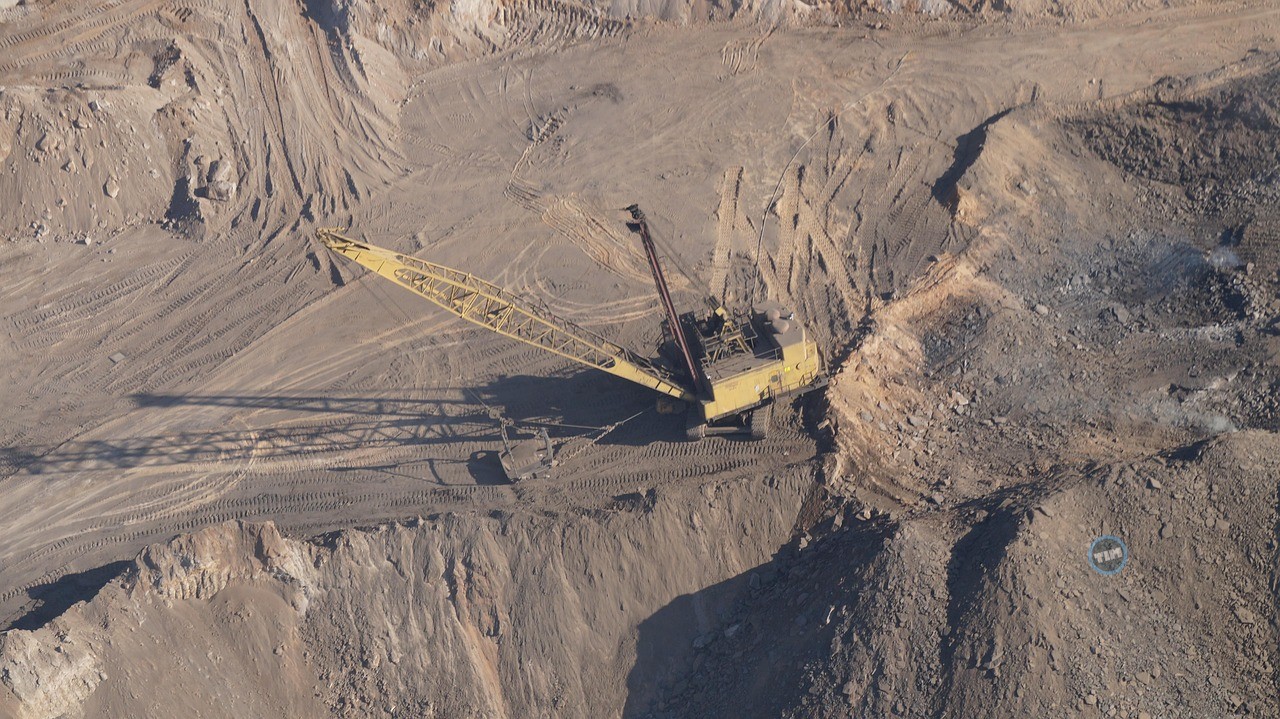
Cleveland-Cliffs Inc. stocks have been trading down by -6.43 percent amid sharply negative reaction to weaker-than-expected earnings guidance.
Key Takeaways
- Barclays nudged its Cleveland-Cliffs (CLF) price target to $11 from $10 but kept an Underweight rating, signaling limited upside despite the tweak.
- JPMorgan trimmed its CLF price target to $12 from $13 while sticking with a Neutral stance, reinforcing a wait-and-see attitude toward the steel name.
- CLF’s Stelco unit will idle cold-rolled and coated operations at Hamilton Works in Ontario, blaming U.S. tariffs and severe trade disruptions.
- Canada is threatening legal action, fines, or even a forced sale of CLF’s Stelco assets over layoffs tied to prior job commitments.
- CLF shares recently traded near $11.08 after the idling headlines, down roughly 9% on the day as traders repriced tariff and regulatory risk.
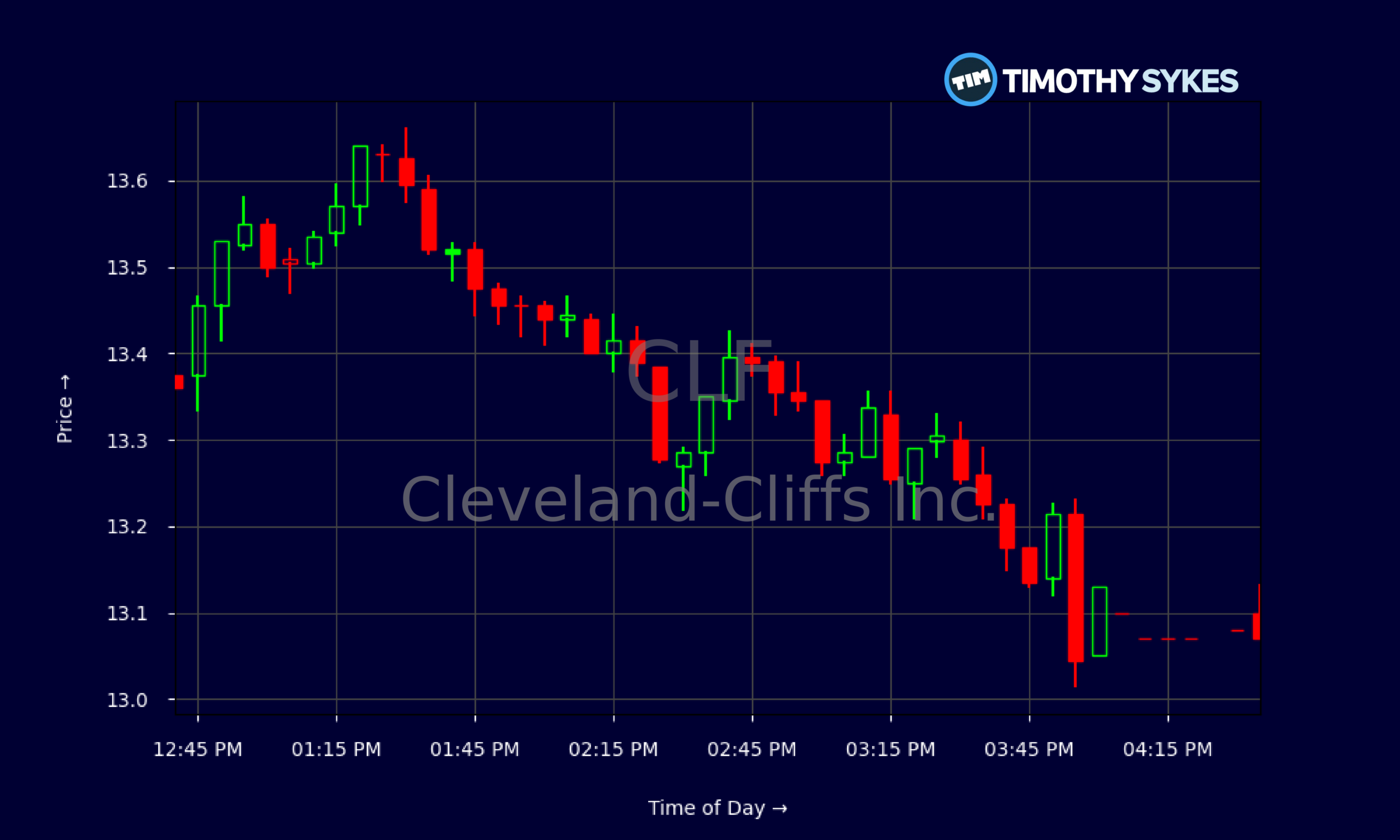
Live Update At 16:46:54 EDT: On Thursday, October 22, 2026 Cleveland-Cliffs Inc. stock [NYSE: CLF] is trending down by -6.43%! Discover the key drivers behind this movement as well as our expert analysis in the detailed breakdown below.
Quick Financial Overview
Cleveland-Cliffs is trading like a classic battleground name. On the daily chart, CLF slid from $14.10 on 2026/10/19 to $13.05 on 2026/10/22, giving back a strong prior bounce. That push to $14.58 on 2026/10/19 now looks like a short-term top, with sellers stepping in hard above $14.
Zoom in to the intraday tape and CLF shows a tight, choppy range, closing around $13.05–$13.13 with plenty of failed attempts to hold mid‑$13s. For active traders, that intraday behavior screams indecision and headline sensitivity. Every tariff or Stelco update matters.
Fundamentally, CLF is a low price‑to‑sales story at about 0.39x on roughly $18.61B in revenue, but margins are razor thin. Profitability ratios show negative net margins and barely positive pretax margins, meaning small volume shocks hit earnings fast. Debt is heavy, with total debt to equity at 1.37 and interest coverage only 0.8. That tells traders higher rates and weaker steel demand both bite.
More Breaking News
The latest quarter still showed life: CLF generated $224M in operating cash flow and $72M in free cash flow, plus about $152M in net income. But with cash only around $78M against big liabilities, CLF remains a leveraged cyclical that trades reactively to every macro and policy headline.
Why Traders Are Watching CLF’s Tariff Drama
Cleveland-Cliffs has become a real‑time case study in how policy can move a stock. The big shock for CLF is Stelco’s plan to idle its cold‑rolled and coated steel lines at Hamilton Works in Ontario indefinitely. Management blamed U.S. tariffs and ongoing trade disruptions that made the Canadian market for those products unsustainable. That is not a small tweak to operations; it is a structural pullback in CLF’s Canadian footprint.
Traders saw the risk right away. On the day CLF’s Canadian unit flagged idling plans, the stock was trading near $11.08, down about 9%. That kind of single‑day hit usually signals a market that is rapidly repricing earnings power and balance‑sheet risk. Less production can mean less revenue to service that sizable debt stack, especially when margins are already thin.
The headache for CLF does not stop with tariffs. Canada is now threatening legal action, fines, or even a forced sale of Stelco assets after layoffs tied to prior employment commitments. For a highly cyclical, capital‑intensive name like CLF, that sort of government overhang can weigh on the multiple for months. Traders know legal uncertainty doesn’t show up in the income statement right away, but it absolutely shows up in how funds position.
Layer on top the analyst backdrop: Barclays lifting its CLF target to $11 but staying Underweight, and JPMorgan cutting to $12 with a Neutral call. Both are basically saying the same thing – CLF is not untradeable, but Street expectations are capped. For short‑term traders, that often means respecting resistance zones and treating rips as potential fade candidates until the news flow improves.
Conclusion
For active traders, Cleveland-Cliffs now trades at the intersection of tariffs, politics, and tight fundamentals. CLF still throws off positive operating cash flow and posted a solid $311M in operating income last quarter, yet net margins and returns on capital remain weak. When a business like CLF is this sensitive to volume and pricing, closing a plant or idling lines — like Stelco at Hamilton Works — has an outsized impact on how the market values the equity.
The Canadian threats of fines, lawsuits, or a forced Stelco sale add another layer of uncertainty. CLF traders have to track not just steel prices, but also government statements and cross‑border trade headlines. That is why CLF’s sharp drop toward $11 after the idling news matters so much: the stock is telling you the market is baking in higher risk and lower confidence in the Canadian portfolio.
At the same time, the Barclays Underweight at $11 and JPMorgan’s Neutral at $12 give traders clear “Street lines in the sand” for near‑term expectations in CLF. Those levels often act as psychological anchors on both rallies and dips.
For traders studying CLF, this is a textbook setup to apply what Tim Sykes and his community hammer home: “Trade the price action, not the story.” As millionaire penny stock trader and teacher Tim Sykes, says, “Cut losses quickly, let profits ride, and don’t overtrade.”. The story around Cleveland-Cliffs is noisy and emotional right now. The traders who keep it simple — focus on key levels, volume spikes, and cut losses fast — will be best positioned to navigate the volatility this name is throwing off.
This is stock news, not investment advice. Timothy Sykes News delivers real-time stock market news focused on key catalysts driving short-term price movements. Our content is tailored for active traders and investors seeking to capitalize on rapid price fluctuations, particularly in volatile sectors like penny stocks. Readers come to us for detailed coverage on earnings reports, mergers, FDA approvals, new contracts, and unusual trading volumes that can trigger significant short-term price action. Some users utilize our news to explain sudden stock movements, while others rely on it for diligent research into potential investment opportunities.
Dive deeper into the world of trading with Timothy Sykes, renowned for his expertise in penny stocks. Explore his top picks and discover the strategies that have propelled him to success with these articles:
- Penny Stocks Trading Guide
- Best Penny Stocks Under $1 to Buy Today
- Top 8 Penny Stocks to Watch on Robinhood
Once you’ve got some stocks on watch, elevate your trading game with StocksToTrade the ultimate platform for traders. With specialized tools for swing and day trading, StocksToTrade will guide you through the market’s twists and turns.
Dig into StocksToTrade’s watchlists here:





Leave a reply