

Leverage Shares 2X Short SPCX Daily rallied as bearish sentiment toward SPAC-focused funds intensified, and stocks have been trading up by 12.81 percent.
Key Takeaways
- SSPC has bounced from an early October low near $6.56 to $8.28, signaling a strong short-term trend shift.
- Daily charts show SSPC grinding higher with higher lows, while intraday trading reveals tight consolidation around $8.20–$8.30.
- With no fundamental ratios available, SSPC trading is being driven mainly by price action and leveraged exposure to its underlying index.
- Volatility remains elevated in SSPC, making risk management and fast decision-making crucial for active traders.
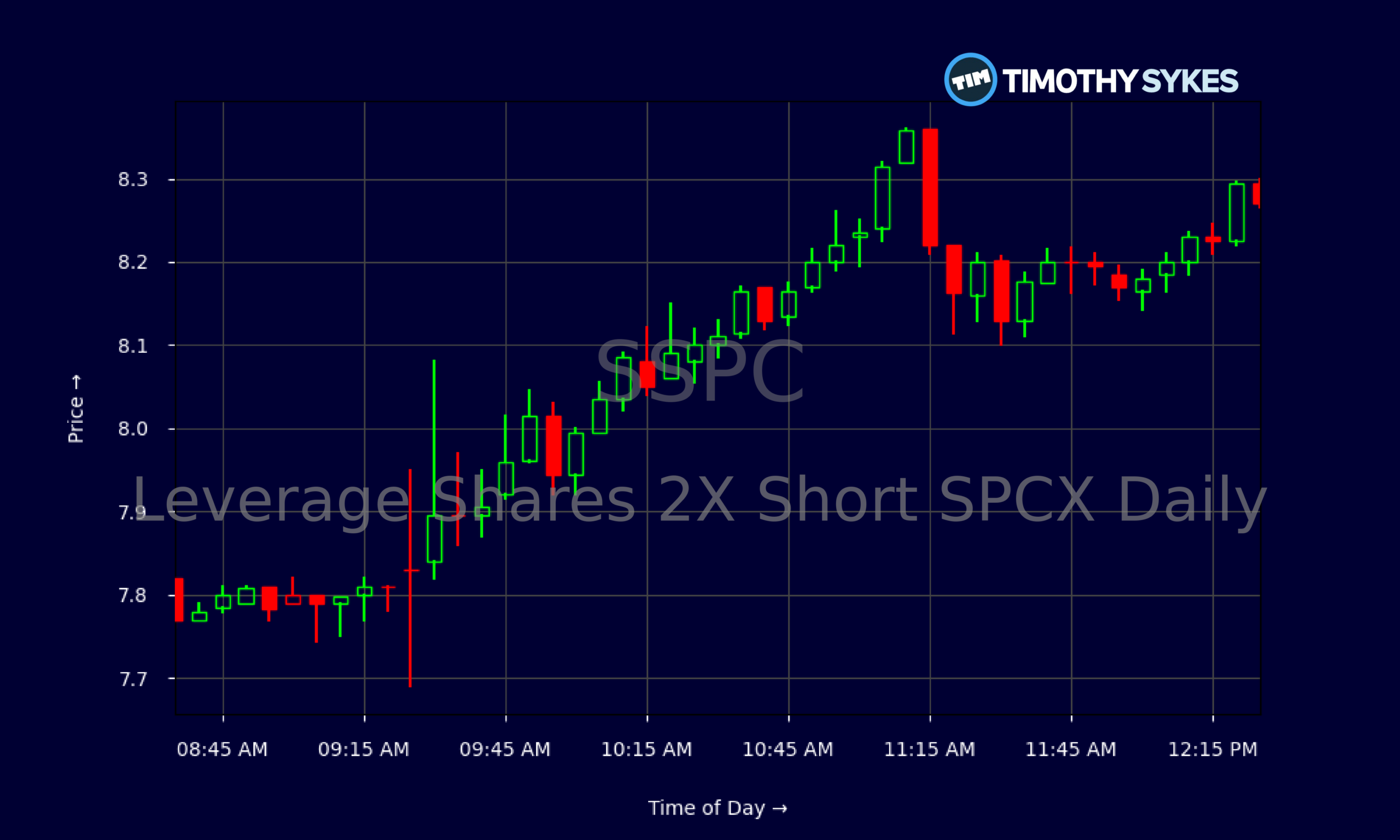
Live Update At 12:32:13 EDT: On Thursday, October 22, 2026 Leverage Shares 2X Short SPCX Daily stock [BATS Global Markets: SSPC] is trending up by 12.81%! Discover the key drivers behind this movement as well as our expert analysis in the detailed breakdown below.
Quick Financial Overview
Leverage Shares 2X Short SPCX Daily, trading under ticker SSPC, is a leveraged product, so price action moves fast. Over the recent stretch, SSPC slid from around $9.53 to a low near $6.56, then pushed back toward $8.28. That’s a big swing for a relatively short period, and it tells traders everything here is about momentum and timing.
The key ratios for SSPC are basically blank, so traditional balance‑sheet analysis does not help much. This is normal for many structured and leveraged products. Traders focusing on SSPC need to lean on charts, volume, and the behavior of the underlying SPCX exposure rather than classic earnings metrics.
More Breaking News
On the daily chart, SSPC has put in a clear higher low pattern after the washout around $6.56. Closing prices climbing back toward the upper $8s show buyers regaining control. Intraday, SSPC has spent most of the session bouncing between roughly $8.10 and $8.30, showing controlled consolidation after the earlier move. For short-term traders, SSPC is a pure technical vehicle: leverage, trend, and discipline matter more than fundamentals.
Why Traders Are Watching SSPC Price Action
SSPC, the Leverage Shares 2X Short SPCX Daily product, has turned into a textbook case study in how leveraged trading products behave when sentiment flips. Early in the month, SSPC was trading above $9.50. A sharp slide followed, hammering the price down into the mid‑$6s. Moves like that shake out weak hands and reset the chart.
From that $6.56 area, SSPC started carving out a rebound. Daily closes at $6.65, then $6.89, then low‑$7s signaled pressure easing on the downside. As SSPC reclaimed $7.80 and later $8.20, traders watching support and resistance saw a shift from defense to offense. Higher lows stacked up, which is exactly what momentum traders want to see when they stalk a potential trend.
Today’s intraday tape for SSPC shows a different phase: digestion. Pre‑market, SSPC hovered around $7.70–$7.80. Off the open, it pushed from $7.84 to over $8.00 quickly, then spent hours coiling between $8.10 and $8.30. That tight range after a push higher often signals accumulation rather than panic selling.
Because SSPC offers 2X short exposure, every underlying move gets magnified. That leverage works both ways. For traders who respect risk, this SSPC pattern—washout, higher lows, consolidation near the highs of the recent range—sets up a potential next leg, up or down. The chart will tell the story; the job is to react, not predict.
Conclusion
SSPC, the Leverage Shares 2X Short SPCX Daily product, is not a sleepy ETF you stash and forget. It is a leveraged trading tool, and the recent price action proves it. A drop from the $9s into the $6s would crush anyone treating SSPC like a long‑term holding. But for agile traders, that same slide and recovery created opportunity on both sides of the chart.
Right now, SSPC is stabilizing around $8.28 after climbing steadily off its $6.56 low. The daily pattern shows rising closes, while intraday action is tightening into a narrow band. That combination often comes before a volatility expansion. Traders watching SSPC will focus on whether it holds this $8.00–$8.20 support zone or fails back into the mid‑$7s. Breaks of either side can trigger fast follow‑through because of the 2X leverage.
For traders studying SSPC, the lesson is simple: respect the leverage and let the chart guide your plan. As millionaire penny stock trader and teacher Tim Sykes says, “The goal is not to win every trade but to protect your capital and keep moving forward.”. He hammers the same point over and over—“cut losses quickly and you’ll always be able to come back for the next opportunity.” SSPC embodies that mindset. It rewards preparation, tight risk, and ruthless discipline. Use the volatility for education and research, not blind hope.
This is stock news, not investment advice. Timothy Sykes News delivers real-time stock market news focused on key catalysts driving short-term price movements. Our content is tailored for active traders and investors seeking to capitalize on rapid price fluctuations, particularly in volatile sectors like penny stocks. Readers come to us for detailed coverage on earnings reports, mergers, FDA approvals, new contracts, and unusual trading volumes that can trigger significant short-term price action. Some users utilize our news to explain sudden stock movements, while others rely on it for diligent research into potential investment opportunities.
Dive deeper into the world of trading with Timothy Sykes, renowned for his expertise in penny stocks. Explore his top picks and discover the strategies that have propelled him to success with these articles:
- Penny Stocks Trading Guide
- Best Penny Stocks Under $1 to Buy Today
- Top 8 Penny Stocks to Watch on Robinhood
Once you’ve got some stocks on watch, elevate your trading game with StocksToTrade the ultimate platform for traders. With specialized tools for swing and day trading, StocksToTrade will guide you through the market’s twists and turns.
Dig into StocksToTrade’s watchlists here:





Leave a reply