

Space Exploration Technologies Corp. stocks have been trading down by -3.33 percent amid reports of major Starlink regulatory and launch setbacks.
Key Takeaways
- The EU is expediting antitrust approval for Project Bromo, a rival satellite venture to SpaceX, and shares dropped about 2.9% on the news.
- SpaceX’s Starshield service in Ukraine was reportedly slowed after a White House order, with SpaceX shares down 3.4%.
- SpaceX, via SPCX exposure, is flagged as a drag on Alphabet’s EPS after a 12% Q3 share slide tied to new capacity ramp-up.
- A SpaceX-linked ETF, SPCX, is down 0.7%, extending a prior 4.2% loss after reports of Starlink limits on Ukraine drone operations.
- Hackers allegedly used SpaceX’s Grok AI agent in cyberattacks on Latin American banks, raising fresh regulatory and reputational concerns.
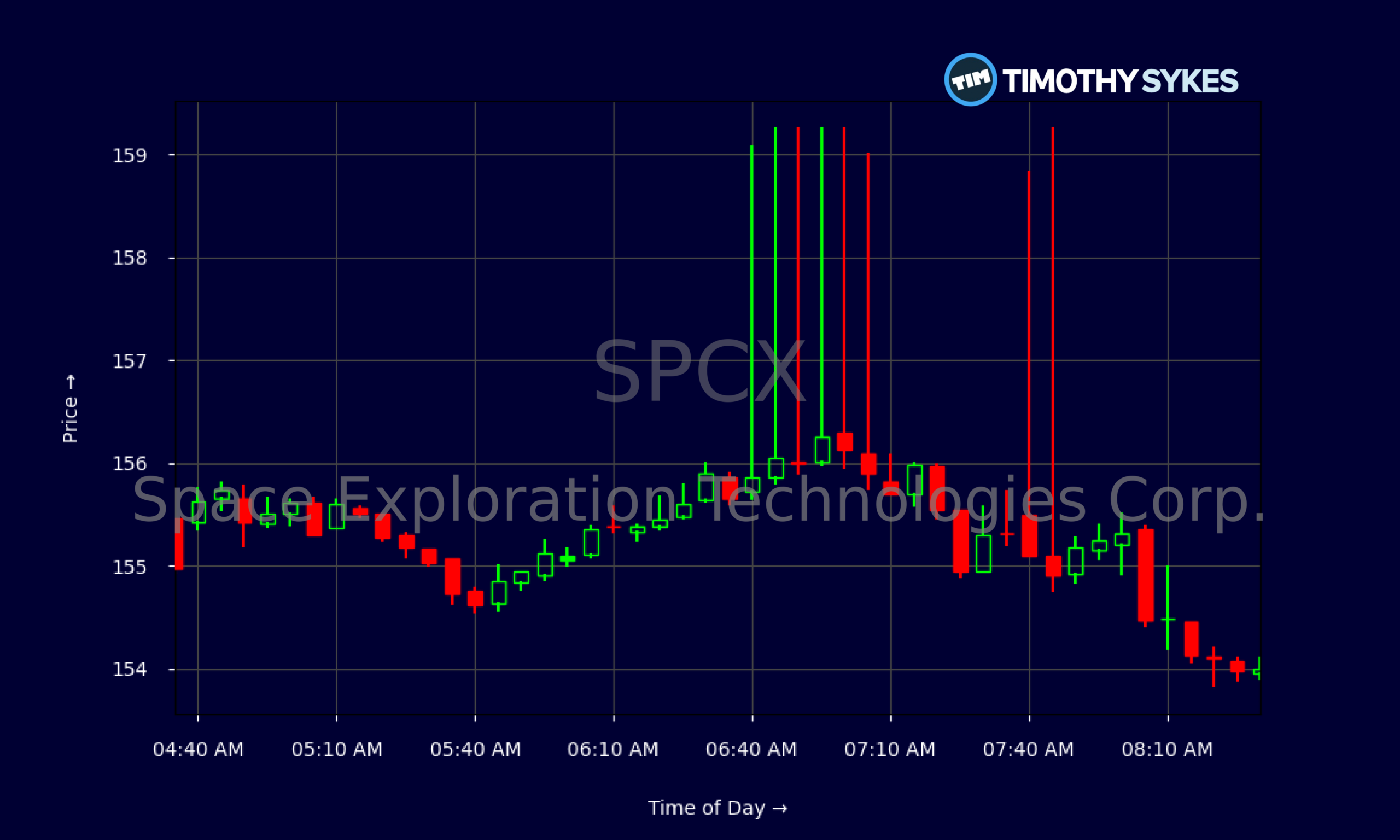
Live Update At 08:32:26 EDT: On Thursday, October 22, 2026 Space Exploration Technologies Corp. stock [NASDAQ: SPCX] is trending down by -3.33%! Discover the key drivers behind this movement as well as our expert analysis in the detailed breakdown below.
Quick Financial Overview
SPCX has been grinding lower in October, and the chart shows it clearly. From a recent high near $176 in early 2026/10, SPCX has faded to a close around $159 on 2026/10/21. That’s a meaningful retrace in a short window, especially for traders used to riding momentum in high‑beta space and AI names.
Daily candles show a series of lower highs after 2026/10/06, with SPCX failing to reclaim the $170s. Each bounce has been sold. The latest session printed a wide intraday range — roughly $156.93 to $166.18 — before SPCX settled near the lows at $159.31. That kind of fade from intraday strength often signals trapped longs and growing overhead supply.
More Breaking News
On the fundamentals side, the SpaceX-related profile behind SPCX is classic high‑growth, high‑risk. Revenue of about $18.67B for the period sounds huge, but a pretax margin near -38.3% and negative net income of roughly $541M highlight how hard the company is pushing expansion. A price-to-sales ratio around 176 and price-to-book above 17 imply traders are paying up for future potential, not current profits. For short-term SPCX trading, that combination means sentiment and headlines can move the tape much faster than earnings.
Why Traders Are Watching SPCX Now
SPCX is sitting in the crosshairs of several pressure points at once, and active traders are glued to the tape. The latest blow came on 2026/10/21, when reports said hackers used SpaceX’s Grok AI agent to help automate cyberattacks on Latin American financial institutions. For a name like SPCX that already trades at rich multiples, any hint of AI misuse brings the risk of regulators stepping in and headlines turning even darker. That’s the kind of overhang that can keep a lid on every bounce.
Just a day earlier, SpaceX, referenced via SPCX, was cited as a drag on Alphabet’s EPS after SpaceX shares dropped 12% during Q3. The mark‑to‑market hit for a giant like Alphabet tells traders one thing: volatility in SpaceX is no longer a niche concern. It’s big and visible, and that matters for sentiment around SPCX, which lives and dies on how the market feels about the SpaceX growth story.
Then layer on the geopolitical noise. SpaceX’s Starshield service in Ukraine was reportedly slowed after a White House order to the Pentagon. Earlier, reports said certain Starlink services used for Ukrainian drone operations were being limited. Each time those headlines hit, SPCX slipped — including a 0.7% drop that extended a prior 4.2% slide. Traders read that as proof that policy shifts in war zones are moving the ETF in real time.
On top of that, the EU is fast‑tracking antitrust approval for “Project Bromo,” a multi‑company satellite rival. When that news broke, SpaceX shares fell about 2.9%. For SPCX, this screams “competitive risk.” If Project Bromo gains traction, the market may stop giving SpaceX, and by extension SPCX, such a rich premium.
In short, SPCX is being squeezed from all sides: competition, regulation, geopolitics, and now AI‑driven reputational risk.
Conclusion
For active traders, SPCX is a textbook case of why you never ignore headlines, even when the chart looks strong. The ETF’s slide from the $170s into the high $150s comes at the same time SpaceX is facing EU competition through Project Bromo, Washington pressure on Starshield and Starlink services in Ukraine, and now serious questions around Grok’s role in cyberattacks. Every storyline chips away at the market’s willingness to pay extreme multiples for future promises.
Financially, the SpaceX exposure inside SPCX still shows big-time growth ambition — billions in quarterly revenue, huge cash on the balance sheet, and massive capital spending. But negative margins and heavy free‑cash‑flow burn mean SPCX traders are leaning on future execution, not present profitability. When that kind of story stock stumbles, the pullbacks can be sharp and surprisingly fast.
Right now, the daily chart says control has shifted to the sellers, with lower highs and closes near the bottom of the range. The intraday action in SPCX shows tight, choppy trading around the mid‑$150s, a classic battleground area where weak hands get shaken out.
For traders who study this stuff, the playbook stays the same — react, don’t predict. As millionaire penny stock trader and teacher Tim Sykes, says, “Consistency is key in trading; don’t let emotions dictate your trades.” As Tim Sykes likes to hammer home, “Volatility is opportunity, but only if you respect the risks and cut losses quickly.” SPCX is giving plenty of volatility. The key is treating it as a trading vehicle, not a belief system, and letting the price action and news flow guide every decision.
This is stock news, not investment advice. Timothy Sykes News delivers real-time stock market news focused on key catalysts driving short-term price movements. Our content is tailored for active traders and investors seeking to capitalize on rapid price fluctuations, particularly in volatile sectors like penny stocks. Readers come to us for detailed coverage on earnings reports, mergers, FDA approvals, new contracts, and unusual trading volumes that can trigger significant short-term price action. Some users utilize our news to explain sudden stock movements, while others rely on it for diligent research into potential investment opportunities.
Dive deeper into the world of trading with Timothy Sykes, renowned for his expertise in penny stocks. Explore his top picks and discover the strategies that have propelled him to success with these articles:
- Penny Stocks Trading Guide
- Best Penny Stocks Under $1 to Buy Today
- Top 8 Penny Stocks to Watch on Robinhood
Once you’ve got some stocks on watch, elevate your trading game with StocksToTrade the ultimate platform for traders. With specialized tools for swing and day trading, StocksToTrade will guide you through the market’s twists and turns.
Dig into StocksToTrade’s watchlists here:





Leave a reply