

Wingstop Inc. stocks have been trading up by 10.19 percent amid strong earnings momentum and accelerating same-store sales growth.
Key Takeaways
- Major banks have trimmed WING price targets but largely kept bullish ratings, signaling confidence in the long-term restaurant story despite valuation reset.
- Mizuho now sees WING at $200, down from $240, while still calling it a preferred name into the 2026/10/28 Q3 earnings event.
- Citi and Baird also nudged targets down yet maintained Buy/Outperform stances, pointing to solid fundamentals with cooler upside assumptions.
- UBS is more cautious at $140 with a Neutral rating, even as WING recently bounced over 3% to about $126.88.
- Seasonal SOUR PATCH KIDS Wicked Punch promo and the 3,000-unit, $5B-plus system highlight Wingstop Inc.’s push to sustain traffic and digital demand.
Live Update At 12:32:41 EDT: On Wednesday, October 28, 2026 Wingstop Inc. stock [NASDAQ: WING] is trending up by 10.19%! Discover the key drivers behind this movement as well as our expert analysis in the detailed breakdown below.
Quick Financial Overview
Wingstop Inc. is coming into its 2026/10/28 Q3 report with WING trading like a textbook momentum reset. After dipping near $103 in early October, the stock has pushed back into the mid-$130s, closing around $136.11 on 2026/10/28. That’s a sharp bounce from the $120–$125 range seen earlier in the week and shows buyers stepping in ahead of earnings.
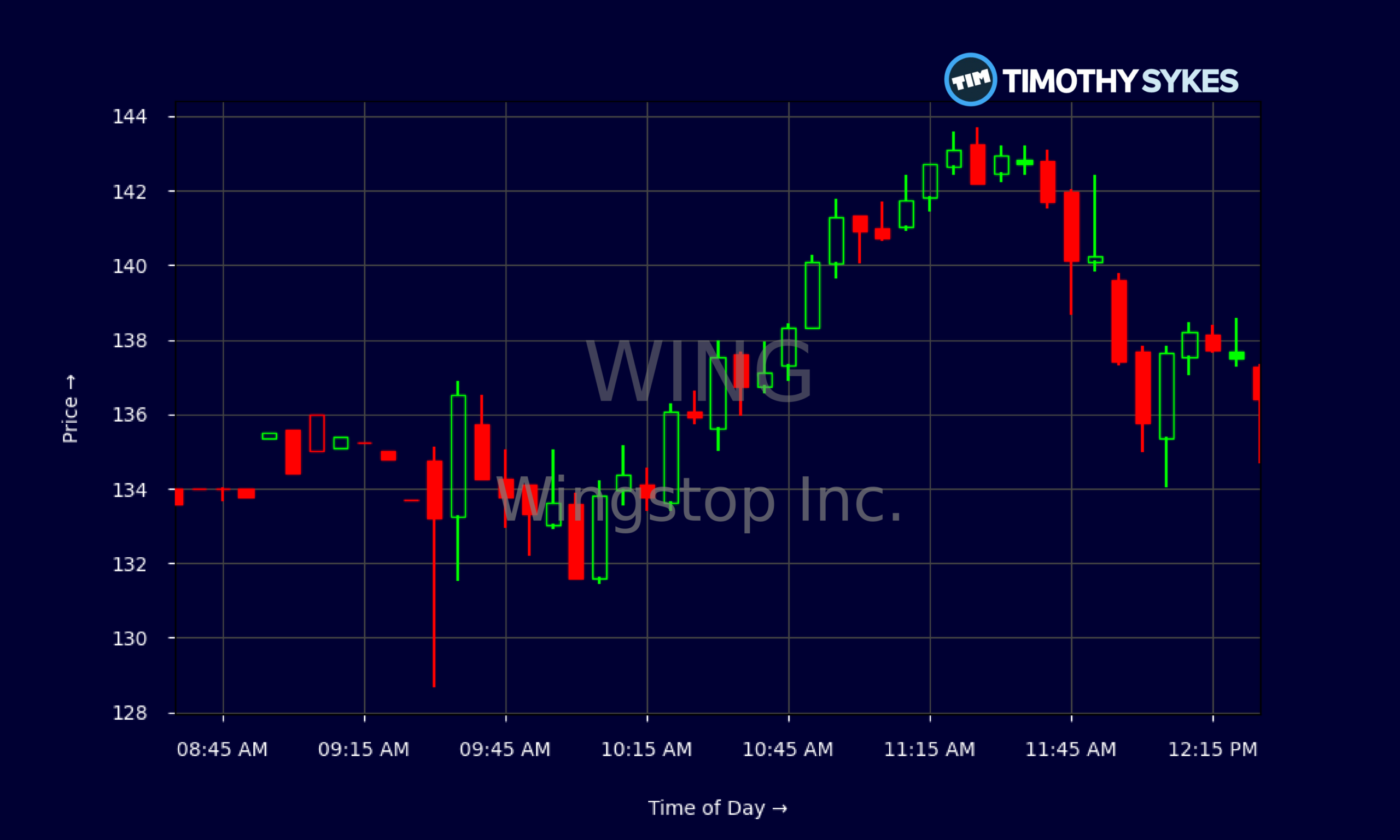
On the 5‑minute chart, WING shows classic intraday volatility. The stock ripped from a 09:30 low near $128.70 to above $143 by late morning before fading back toward the mid‑$130s. For active traders, that’s a wide intraday range and a clear sign that Q3 expectations are driving aggressive positioning on both sides.
More Breaking News
Fundamentally, Wingstop Inc. is still printing strong numbers. Quarterly revenue sits near $185.6M with net income of about $31.3M, helped by a hefty 76.8% gross margin and EBITDA margin north of 30%. A price‑to‑earnings ratio around 28.8 is no longer nosebleed for a growth restaurant name, but it still demands continued execution. WING also carries meaningful debt and negative book value, so the story hinges on cash generation and asset‑light franchising rather than hard assets.
Why Traders Are Watching WING Into Q3
Analyst action on WING tells a tight, important story right now. Mizuho cut its Wingstop Inc. price target from $240 to $200, yet still slapped an Outperform rating on it and called the stock one of its preferred restaurant names into Q3. That’s not capitulation. It’s a reset. Traders should read this as the Street pulling in stretched multiples, not abandoning the growth story.
Baird played the same game, trimming its WING target from $160 to $150 while keeping an Outperform view as it updated models. StoneX went even further, slashing from $245 to $185, again with a Buy. Across these calls, the theme is the same: lower outer‑year same‑store sales assumptions, still‑positive long‑term outlook. For trading, that usually means the big re‑rating already happened on the way down from the prior highs.
Morgan Stanley dropped its WING target from $238 to $202 and flagged slower quick‑service trends and produce issues hitting Q3. Yet it kept an Overweight rating and said demand is resilient. UBS is the clear skeptic, cutting to $140 with a Neutral rating, but even that sits above the recent $126.88 trade, when the stock was up more than 3% on the day. Meanwhile, the broader analyst crowd still pegs average WING fair value around $200.60 with a Buy consensus.
Layer in the Halloween SOUR PATCH KIDS Wicked Punch flavor running 2026/10/27–2026/11/05 and you have a brand still pushing digital orders, loyalty engagement, and traffic. With over 3,000 largely franchised restaurants and more than $5B in 2025 system‑wide sales, Wingstop Inc. is no tiny flyer. That scale, combined with all these target cuts but stubborn Buy ratings, is exactly why short‑term traders are glued to this Q3 print.
Conclusion
For active traders, WING sits at a classic crossroads: compressed from past highs, bouncing into earnings, and surrounded by cautious but constructive analyst chatter. The stock’s move from roughly $106 to the mid‑$130s in October shows that dip buyers are already testing the waters ahead of the 2026/10/28 results. At the same time, trimmed price targets from Mizuho, Morgan Stanley, Citi, Baird, StoneX, and UBS warn that expectations have cooled.
Wingstop Inc.’s fundamentals still look strong, with fat margins and a powerful franchised model, but the bar for upside surprises is tighter now. The consensus near $200 leaves room above current levels, yet the path there will depend on same‑store sales, cost pressures, and any guidance color on 2027 and beyond. Short‑term, the wide intraday swings on the WING chart tell you all you need to know about positioning risk.
This is where discipline matters. As Tim Sykes loves to remind traders, “Cut losses quickly and don’t fall in love with any stock — ever.” As millionaire penny stock trader and teacher Tim Sykes, says, “There is always another play around the corner; don’t chase just because you feel FOMO.”. WING may offer solid volatility and a well‑defined catalyst, but it still demands a plan. Treat the Q3 reaction as data, respect your stops, and remember this is for education and research only, not a signal to buy or sell Wingstop Inc.
This is stock news, not investment advice. Timothy Sykes News delivers real-time stock market news focused on key catalysts driving short-term price movements. Our content is tailored for active traders and investors seeking to capitalize on rapid price fluctuations, particularly in volatile sectors like penny stocks. Readers come to us for detailed coverage on earnings reports, mergers, FDA approvals, new contracts, and unusual trading volumes that can trigger significant short-term price action. Some users utilize our news to explain sudden stock movements, while others rely on it for diligent research into potential investment opportunities.
Dive deeper into the world of trading with Timothy Sykes, renowned for his expertise in penny stocks. Explore his top picks and discover the strategies that have propelled him to success with these articles:
- Penny Stocks Trading Guide
- Best Penny Stocks Under $1 to Buy Today
- Top 8 Penny Stocks to Watch on Robinhood
Once you’ve got some stocks on watch, elevate your trading game with StocksToTrade the ultimate platform for traders. With specialized tools for swing and day trading, StocksToTrade will guide you through the market’s twists and turns.
Dig into StocksToTrade’s watchlists here:





Leave a reply