

Snap Inc. stocks have been trading down by -3.63 percent amid concerns over weakening ad demand and competitive social platforms.
Key Takeaways For SNAP Traders
- UBS raised its price target on SNAP from $5.70 to $7 but kept a Neutral rating, highlighting ongoing struggles to win top-tier advertiser budgets.
- Earlier in 2026, UBS trimmed its SNAP target from $7 to $5.70 while still rating it Buy, underscoring choppy conviction around Snap Inc.’s execution.
- Evercore flagged “negative” ad channel checks for SNAP, with agencies signaling weaker near-term ad trends and possible budget share loss.
- A U.S. appeals court let Florida enforce a law blocking kids under 14 from platforms like Snapchat, raising a new regulatory overhang for Snap Inc.
- A Form 144 shows an insider planning to sell SNAP shares, adding potential supply and another caution signal for traders.
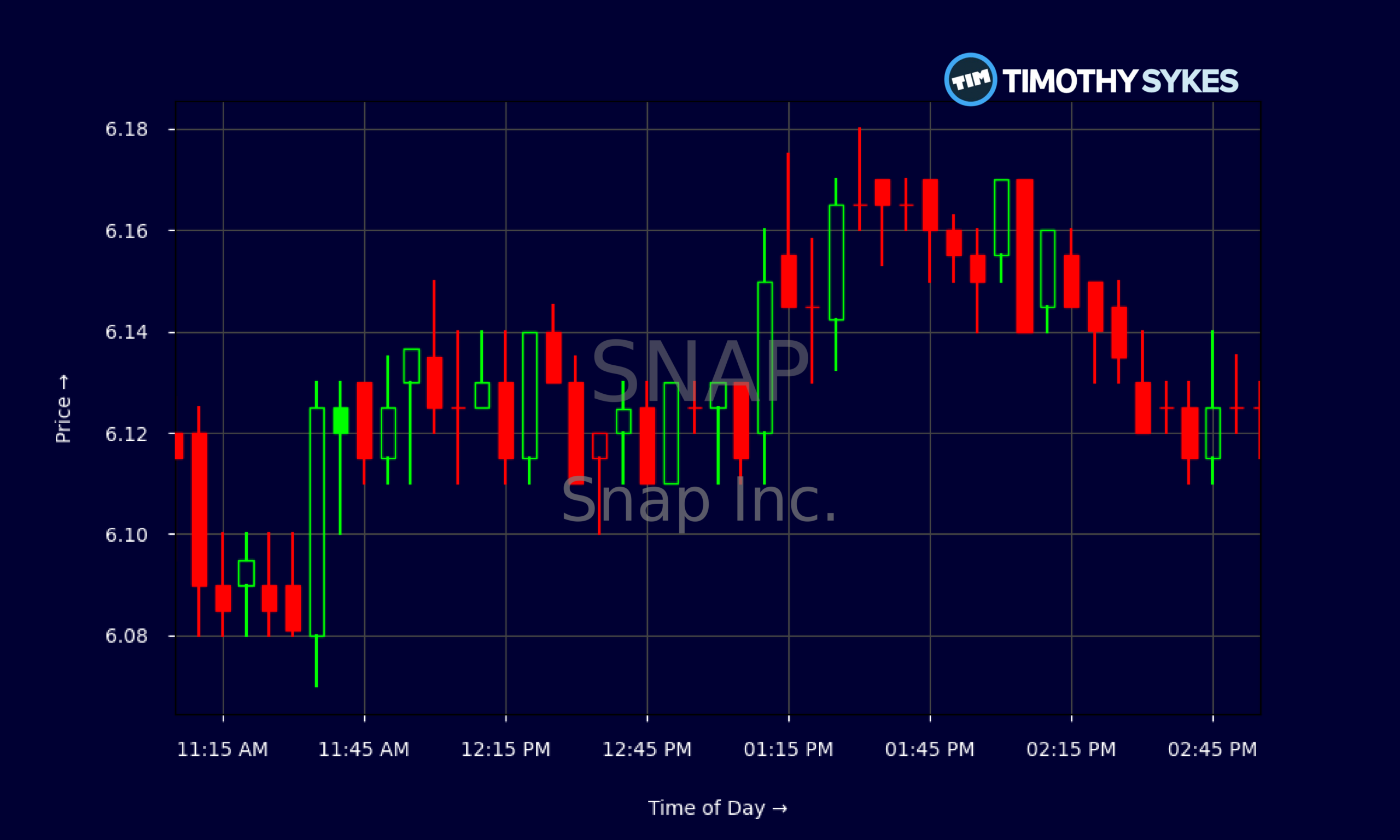
Live Update At 15:02:27 EDT: On Tuesday, October 27, 2026 Snap Inc. stock [NYSE: SNAP] is trending down by -3.63%! Discover the key drivers behind this movement as well as our expert analysis in the detailed breakdown below.
Quick Financial Overview
On the numbers, SNAP is a classic “strong top line, weak bottom line” story. Snap Inc. generated about $5.93B in revenue over the last year, with revenue still growing double digits in recent years. But profitability remains the problem. SNAP shows a skinny but positive EBITDA margin near break-even, while EBIT margin sits around -2.6% and overall profit margin is roughly -4.9%. That tells traders SNAP is still losing money after operating and financing costs.
Gross margin near 78% is a bright spot. It means each extra dollar of ad revenue is highly profitable before overhead. The issue is spending. Research and development, sales, and admin costs are still heavy, so those fat gross profits get eaten up.
Leverage is another red flag. Total debt-to-equity is about 2.2, and interest coverage is barely positive, meaning SNAP doesn’t have much cushion if rates stay high or growth cools. Yet the balance sheet is not broken: a current ratio near 2.9 and strong working capital give Snap Inc. room to maneuver in the short term.
More Breaking News
For traders, this all adds up to a name where sentiment and headline risk move the stock faster than the gradual financial grind toward profitability.
Why Traders Are Watching SNAP Now
SNAP has been grinding in a tight range on the chart, but the news flow turned meaningfully heavier in mid-2026. For active traders, that blend of flat price action and rising headline risk often sets up sharp breaks when the next catalyst hits.
First, the analyst picture is muddy. UBS recently raised its price target on Snap Inc. from $5.70 to $7 while keeping a Neutral rating. That bump nods to a healthier digital ad backdrop, yet UBS still stresses SNAP is not a priority platform for many big advertisers. Earlier, the same firm had cut its target from $7 to $5.70 while oddly keeping a Buy. That kind of back-and-forth tells traders Wall Street likes the long-term platform but doubts near-term execution.
Evercore’s ad channel checks push the tone further negative. Agencies told Evercore they see weaker near-term ad trends and budget allocations for SNAP, even while digital advertising overall improves. That suggests share loss or at least stalled share gains versus rivals. For SNAP traders, weak agency feedback often foreshadows disappointing ad revenue and volatile earnings reactions.
Then there’s regulation. A U.S. appeals court just allowed Florida to enforce a law blocking kids under 14 from social platforms like Snapchat, especially those using “addictive” tools such as autoplay and infinite scroll. SNAP leans heavily on younger users, so a hard age wall in one big state is not trivial. If other states follow, Snap Inc.’s user growth, engagement metrics, and ad impressions all face pressure.
Finally, a fresh Form 144 shows an insider planning to sell shares under Rule 144. These planned sales are routine, but in a weak sentiment setup, incremental supply from someone close to the story can weigh on confidence. Put together, analyst hesitation, negative channel checks, regulatory risk, and insider selling give SNAP a distinctly bearish short-term backdrop — which is exactly when disciplined traders stay nimble and let the chart confirm direction.
Conclusion
Right now, SNAP sits at an awkward crossroads. On one side, Snap Inc. has real scale, high gross margins, and a balance sheet that still offers runway. On the other, the latest data shows ad agencies reducing or redirecting spend, Florida testing tough new social rules for young users, and at least one insider choosing to unload stock.
For short-term traders, that tension is where opportunity lives. SNAP’s daily chart around the $6 zone shows a slow grind with limited range, but the news stack is anything but quiet. A surprise guidance cut, a tougher regulatory headline, or a change in analyst stance can quickly push Snap Inc. out of this consolidation. That works both ways — breakdown or squeeze — so risk management matters more than opinion.
This is where the Sykes-style playbook applies. As Tim Sykes likes to hammer home, “The market doesn’t care about your opinion, only your plan.” As millionaire penny stock trader and teacher Tim Sykes says, “Preparation plus patience leads to big profits.”. For SNAP, that means mapping clear support and resistance, respecting liquidity, and cutting losses fast if the trade proves you wrong. Snap Inc. is a headline-driven name right now; traders who stay patient, react to real price confirmation, and avoid marrying a bias will be the ones still standing when the next big move hits.
This is stock news, not investment advice. Timothy Sykes News delivers real-time stock market news focused on key catalysts driving short-term price movements. Our content is tailored for active traders and investors seeking to capitalize on rapid price fluctuations, particularly in volatile sectors like penny stocks. Readers come to us for detailed coverage on earnings reports, mergers, FDA approvals, new contracts, and unusual trading volumes that can trigger significant short-term price action. Some users utilize our news to explain sudden stock movements, while others rely on it for diligent research into potential investment opportunities.
Dive deeper into the world of trading with Timothy Sykes, renowned for his expertise in penny stocks. Explore his top picks and discover the strategies that have propelled him to success with these articles:
- Penny Stocks Trading Guide
- Best Penny Stocks Under $1 to Buy Today
- Top 8 Penny Stocks to Watch on Robinhood
Once you’ve got some stocks on watch, elevate your trading game with StocksToTrade the ultimate platform for traders. With specialized tools for swing and day trading, StocksToTrade will guide you through the market’s twists and turns.
Dig into StocksToTrade’s watchlists here:





Leave a reply