

WISeSat.Space Holdings Corp. surged as stocks have been trading up by 13.31 percent following upbeat satellite expansion news.
Key Takeaways
- WISeSat.Space has completed its business combination with Columbus Acquisition Corp and now trades on Nasdaq as SAIQ, focused on post‑quantum‑secure satellite and IoT communications.
- After the Columbus Acquisition deal closed, shares ripped roughly 260% to over 500% in premarket trading, with volume exploding far above normal.
- A $10M PIPE from affiliate SEALSQ to fund cybersecurity and next‑gen satellites triggered a sharp ~27% pullback as traders reacted to dilution.
- A new‑generation satellite launch with FOSSA Systems on a SpaceX mission sparked a 66% spike in WISeSat.Space’s share price on huge trading volume.
- WISeSat.Space, part of the WISeKey ecosystem, is lined up to run the Quantum Spatial Orbital Cloud (QSOC) infrastructure, a secure orbital cloud of up to 100 satellites through 2033.
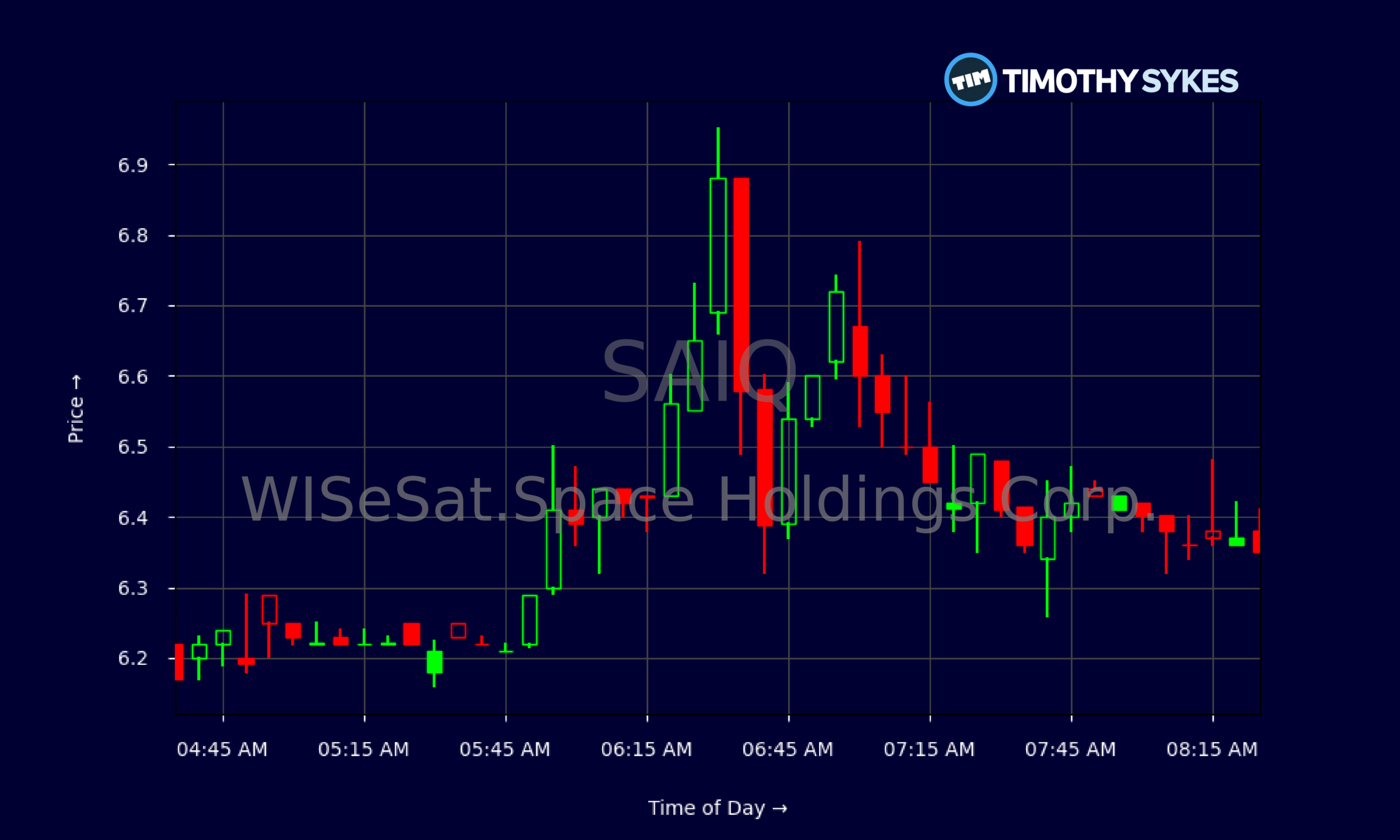
Live Update At 08:32:16 EDT: On Thursday, October 22, 2026 WISeSat.Space Holdings Corp. stock [NASDAQ: SAIQ] is trending up by 13.31%! Discover the key drivers behind this movement as well as our expert analysis in the detailed breakdown below.
Quick Financial Overview
WISeSat.Space Holdings Corp., trading as SAIQ, is a classic new‑listing rollercoaster. The company has modest reported revenue of about $0.20M, yet an enterprise value near $165.68M, so the market is clearly pricing story and future potential, not current cash flow.
Since debuting on Nasdaq on 2026/10/02 at $1.85, SAIQ has already traded as high as $9.94 before pulling back. Even in the most recent stretch, the daily chart shows wide ranges: on 2026/10/20, SAIQ opened near $4.62 and closed at $6.84, almost a 48% intraday swing from low to high. That’s pure momentum‑trader territory.
On 2026/10/21, the stock cooled slightly, closing at $5.56 after touching $5.95, but volatility stayed elevated. The intraday premarket tape around $6.20–$6.80 shows tight, liquid trading bands after earlier spikes, hinting that short‑term traders are now battling for control.
More Breaking News
For active traders, SAIQ is not a slow grinder. It’s a low‑revenue, high‑story name where news, liquidity, and sentiment drive price far more than fundamentals. That demands strict risk control and clear trading plans.
Why Traders Are Watching SAIQ’s Wild Price Action
SAIQ has quickly turned into a textbook momentum playground. WISeSat.Space completed its business combination with Columbus Acquisition Corp and stepped onto Nasdaq as a standalone, post‑quantum‑secure satellite and IoT connectivity company in the WISeKey orbit. That corporate milestone alone can bring in speculative SPAC capital, but SAIQ went beyond the usual pop.
Right after the deal closed, WISeSat.Space shares exploded. Headlines flagged a roughly 260% surge that later stretched to more than 500% in premarket trading. Volume went from sleepy to insane. For day traders, that kind of gap‑and‑go setup with a fresh story ticker like SAIQ is catnip, but it also carries trap‑door risk when the momentum finally stalls.
Importantly, WISeSat.Space is not just a shell story. The company is positioning SAIQ around secure, post‑quantum satellite communications and IoT connectivity. It sits inside a broader WISeKey cybersecurity and space ecosystem, which gives the SAIQ narrative extra credibility for traders who like cutting‑edge themes such as quantum‑resistant encryption and secure data links from orbit.
Operationally, WISeSat.Space launched and deployed a new‑generation satellite built and run by partner FOSSA Systems on a SpaceX mission. That real milestone lined up with a 66% spike in SAIQ’s share price on heavy trading. Earlier, simple momentum buying alone had pushed WISeSat.Space up 52% in premarket trading after a 7.9% prior‑session gain, with no fresh fundamental news. Put together, SAIQ is showing traders that both real catalysts and pure sentiment can move this tape fast.
At the same time, the $10M PIPE from affiliate SEALSQ—earmarked for cybersecurity, next‑gen satellites, and secure post‑quantum communications—reminded everyone of dilution risk, knocking WISeSat.Space about 27% lower on that headline. For short‑term SAIQ traders, that’s a clear example of “good story, tough reaction” and a warning not to chase every green candle.
Conclusion
SAIQ is shaping up as one of those new‑to‑market names that reward preparation and punish laziness. WISeSat.Space sits at the crossroads of satellite communications, IoT connectivity, and post‑quantum security, and the Nasdaq debut via Columbus Acquisition lit the fuse. Since 2026/10/02, WISeSat.Space has delivered premarket spikes over 500%, a 66% rally on a FOSSA‑SpaceX satellite launch, and a sharp PIPE‑driven pullback. That mix of catalysts and whipsaws defines the SAIQ trading landscape right now.
Longer term, WISeSat.Space is set to act as the space infrastructure partner for the Quantum Spatial Orbital Cloud. Under the QSOC plan, SAIQ is expected to operate the constellation, payloads, and ground segment for up to 100 secure satellites through 2033, with the first payload targeted for launch in Q4 2026. That gives WISeSat.Space and SAIQ a multi‑year narrative that could keep the ticker on watchlists well beyond the initial SPAC fireworks.
For active traders, the message is simple. WISeSat.Space is a high‑beta story stock with low current revenue and big promises. That demands strict rules. As Tim Sykes loves to remind his students, “the market doesn’t care about your opinions, it only cares about price action—so respect the chart, cut losses quickly, and never fall in love with a story.” As millionaire penny stock trader and teacher Tim Sykes, says, “Consistency is key in trading; don’t let emotions dictate your trades.”. Applied to SAIQ, that means ride the waves when the setup is clean, but always keep risk first. This coverage is for educational and research purposes only, not trading advice.
This is stock news, not investment advice. Timothy Sykes News delivers real-time stock market news focused on key catalysts driving short-term price movements. Our content is tailored for active traders and investors seeking to capitalize on rapid price fluctuations, particularly in volatile sectors like penny stocks. Readers come to us for detailed coverage on earnings reports, mergers, FDA approvals, new contracts, and unusual trading volumes that can trigger significant short-term price action. Some users utilize our news to explain sudden stock movements, while others rely on it for diligent research into potential investment opportunities.
Dive deeper into the world of trading with Timothy Sykes, renowned for his expertise in penny stocks. Explore his top picks and discover the strategies that have propelled him to success with these articles:
- Penny Stocks Trading Guide
- Best Penny Stocks Under $1 to Buy Today
- Top 8 Penny Stocks to Watch on Robinhood
Once you’ve got some stocks on watch, elevate your trading game with StocksToTrade the ultimate platform for traders. With specialized tools for swing and day trading, StocksToTrade will guide you through the market’s twists and turns.
Dig into StocksToTrade’s watchlists here:





Leave a reply