

Nu Holdings Ltd. stocks have been trading up by 4.76 percent amid strong earnings-driven optimism and expanding customer growth.
Key Takeaways Nu Traders Need To Know
- JPMorgan raised its Nubank price target from $20 to $23 and kept an Overweight rating after Brazil’s post‑election risk-on rally and higher earnings estimates for local financials.
- Shares jumped about 13% to $15.14 after the first round of Brazil’s presidential elections, signaling stronger confidence in the country’s political and economic backdrop.
- Media reports flagged early‑stage talks for a potential £8–10B Monzo acquisition, alongside Monzo’s option to pursue a fresh funding round.
- Nu Holdings later denied it is pursuing a Monzo deal, stressing a focus on Brazil, Mexico, Colombia, and Nu Global, with a disciplined capital allocation framework.
- The stock rose roughly 6% to $13.43 after NU publicly rejected the Monzo deal rumors, showing traders preferred strategic restraint.
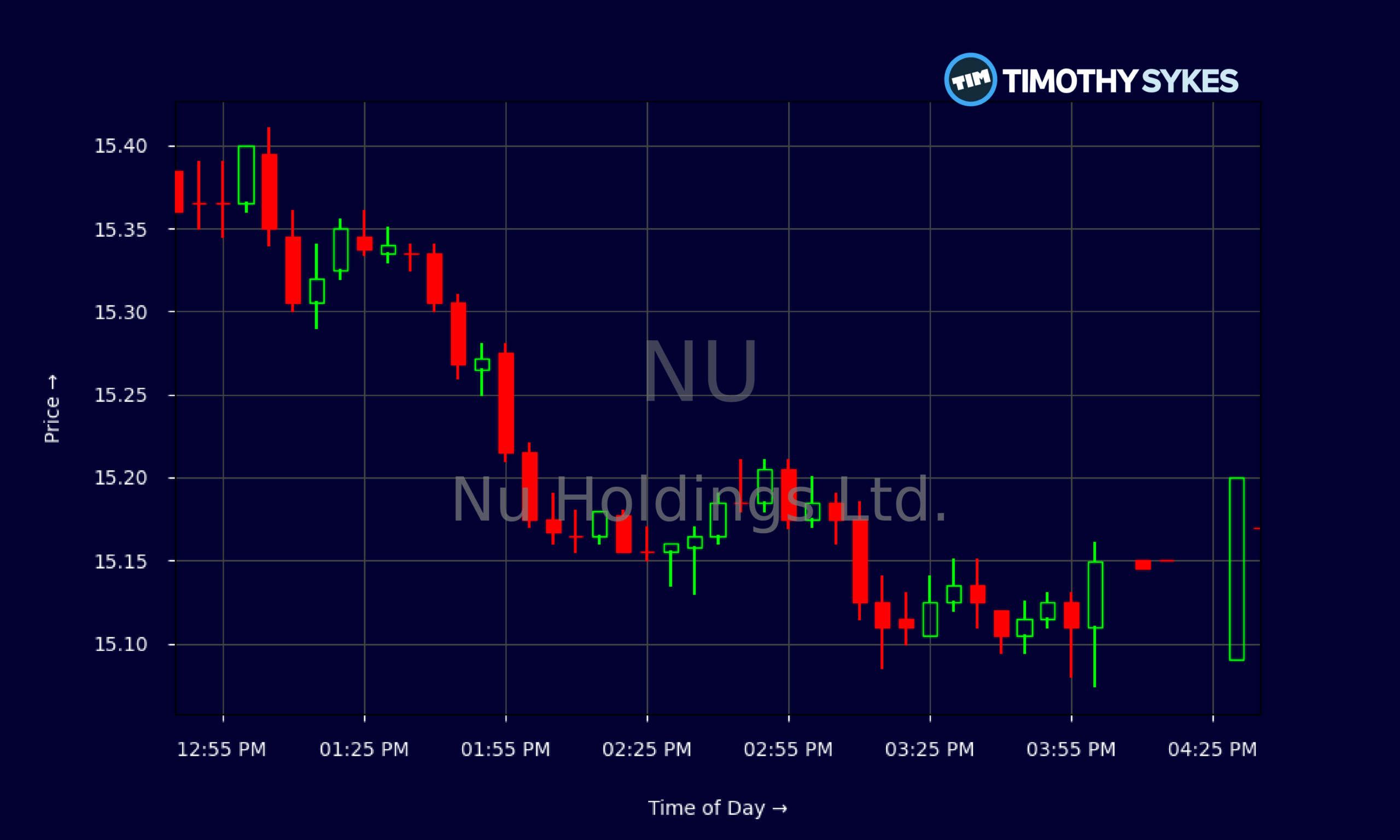
Live Update At 16:46:44 EDT: On Tuesday, October 20, 2026 Nu Holdings Ltd. stock [NYSE: NU] is trending up by 4.76%! Discover the key drivers behind this movement as well as our expert analysis in the detailed breakdown below.
Quick Financial Overview
NU has been in a steady uptrend on the daily chart. From a recent low around $12.23 in late 2026/09, Nu Holdings has pushed to $15.09 by 2026/10/20, a move of roughly 23%. That is a strong multi‑week swing for a large fintech name, and it lines up with the Brazil election bounce and the fresh Wall Street optimism.
The intraday tape on NU around the $15 area shows tight trading action. Most 5‑minute candles on the latest day held between $15.10 and $15.40, with no wild spikes. That kind of controlled grind tells traders there is steady demand rather than pure meme-style speculation.
More Breaking News
On fundamentals, Nu Holdings is still in growth mode. Revenue sits near $10.16B, yet key profitability ratios such as pretax margin at about -5.6% and negative returns on equity and assets show NU is prioritizing scale over bottom‑line profits. With price‑to‑sales around 7.7 and price‑to‑book at 6.93, the market is paying up for the Nubank story. NU also runs a leveraged balance sheet common to banks, with a leverage ratio of 6.6 and about $16.14B in cash stacked against sizable liabilities. For active traders, that mix of strong top‑line growth, rich valuation, and improving sentiment sets up a classic momentum‑with‑risk scenario.
Why Traders Are Watching NU Right Now
The real spark for NU lately has been the macro and headline combo. First, Nubank shares ripped about 13% to $15.14 right after the first round of Brazil’s presidential elections on 2026/10/05. That move told the market one thing clearly: traders are now more comfortable with Brazil’s political and economic direction, and NU is one of the cleanest ways to express that view because its core business is so tied to Brazilian consumers.
Then JPMorgan stepped in on 2026/10/06, raising its Nubank price target from $20 to $23 and reaffirming an Overweight rating. The bank lowered its cost of equity assumptions for Brazilian financials and bumped earnings estimates. For NU traders, that is fuel. When a major Wall Street shop updates models and still pushes the target higher, it validates the long‑side narrative and often pulls in more institutional money.
In the middle of this rally, rumors hit that Nu Holdings was in early talks to buy UK digital bank Monzo in a £8–10B deal. On paper, that would have been a huge swing at European expansion and a sign that NU wanted to go global fast. But big cross‑border bank deals usually come with dilution, integration headaches, and regulatory noise. Many NU traders were understandably cautious about what that might do to the clean, high‑growth story.
Management’s response flipped the script. Nu Holdings used regulatory and public statements around 2026/09/30 to deny it was pursuing a Monzo acquisition, stressing that strategy is still about deepening Brazil, scaling Mexico and Colombia, and expanding through Nu Global in a disciplined way. Nubank stock then climbed about 6% to $13.43 after the denial. The market clearly preferred focus and discipline over a flashy headline deal. For short‑term traders, that type of “rumor down, denial up” price action shows where real demand sits.
Conclusion
Put it together, and NU is trading like a momentum name with a strong story behind it. You have Nubank powered by double‑digit percentage pops tied to Brazil’s election results, followed by a major analyst boost as JPMorgan takes its target to $23 and holds an Overweight stance. At the same time, Nu Holdings is telling the market it will not chase a massive Monzo acquisition and will instead keep building its franchise in Brazil, Mexico, Colombia, and through Nu Global. That combination of macro tailwind, analyst support, and strategic focus is why traders are glued to the NU chart.
The fundamentals still carry risk. Nu Holdings runs negative margins and negative returns on capital, and the valuation on metrics like price‑to‑sales and price‑to‑book is anything but cheap. Any stumble in growth, Brazil’s economy, or credit quality can hit NU hard. Active traders in the Tim Sykes community know what to do with that: treat NU as a trading vehicle, not a sure thing. As Tim Sykes likes to say, “I don’t trade the company, I trade the chart.” As millionaire penny stock trader and teacher Tim Sykes, says, “The goal is not to win every trade but to protect your capital and keep moving forward.”. For anyone studying NU, that means respecting the trend, watching key levels, and always staying ready to cut losses fast.
This is stock news, not investment advice. Timothy Sykes News delivers real-time stock market news focused on key catalysts driving short-term price movements. Our content is tailored for active traders and investors seeking to capitalize on rapid price fluctuations, particularly in volatile sectors like penny stocks. Readers come to us for detailed coverage on earnings reports, mergers, FDA approvals, new contracts, and unusual trading volumes that can trigger significant short-term price action. Some users utilize our news to explain sudden stock movements, while others rely on it for diligent research into potential investment opportunities.
Dive deeper into the world of trading with Timothy Sykes, renowned for his expertise in penny stocks. Explore his top picks and discover the strategies that have propelled him to success with these articles:
- Penny Stocks Trading Guide
- Best Penny Stocks Under $1 to Buy Today
- Top 8 Penny Stocks to Watch on Robinhood
Once you’ve got some stocks on watch, elevate your trading game with StocksToTrade the ultimate platform for traders. With specialized tools for swing and day trading, StocksToTrade will guide you through the market’s twists and turns.
Dig into StocksToTrade’s watchlists here:





Leave a reply