

EVgo Inc. stocks have been trading up by 45.24 percent amid upbeat sentiment on rapid fast-charging network expansion prospects
Key Takeaways Traders Need To Know
- UBS cut its price target on EVgo from $3 to $2 but reiterated a Buy rating, pointing to long‑term strength in U.S. public fast‑charging.
- RBC trimmed its EVgo price target from $2.50 to $1.75 while maintaining an Outperform rating with speculative risk.
- Street consensus on EVGO remains Overweight, with a mean target of $2.93 implying upside from today’s levels.
- Q3 2026 results for EVgo land on 2026/11/09, with a webcast covering its 1,200+ fast‑charging locations across 47 states.
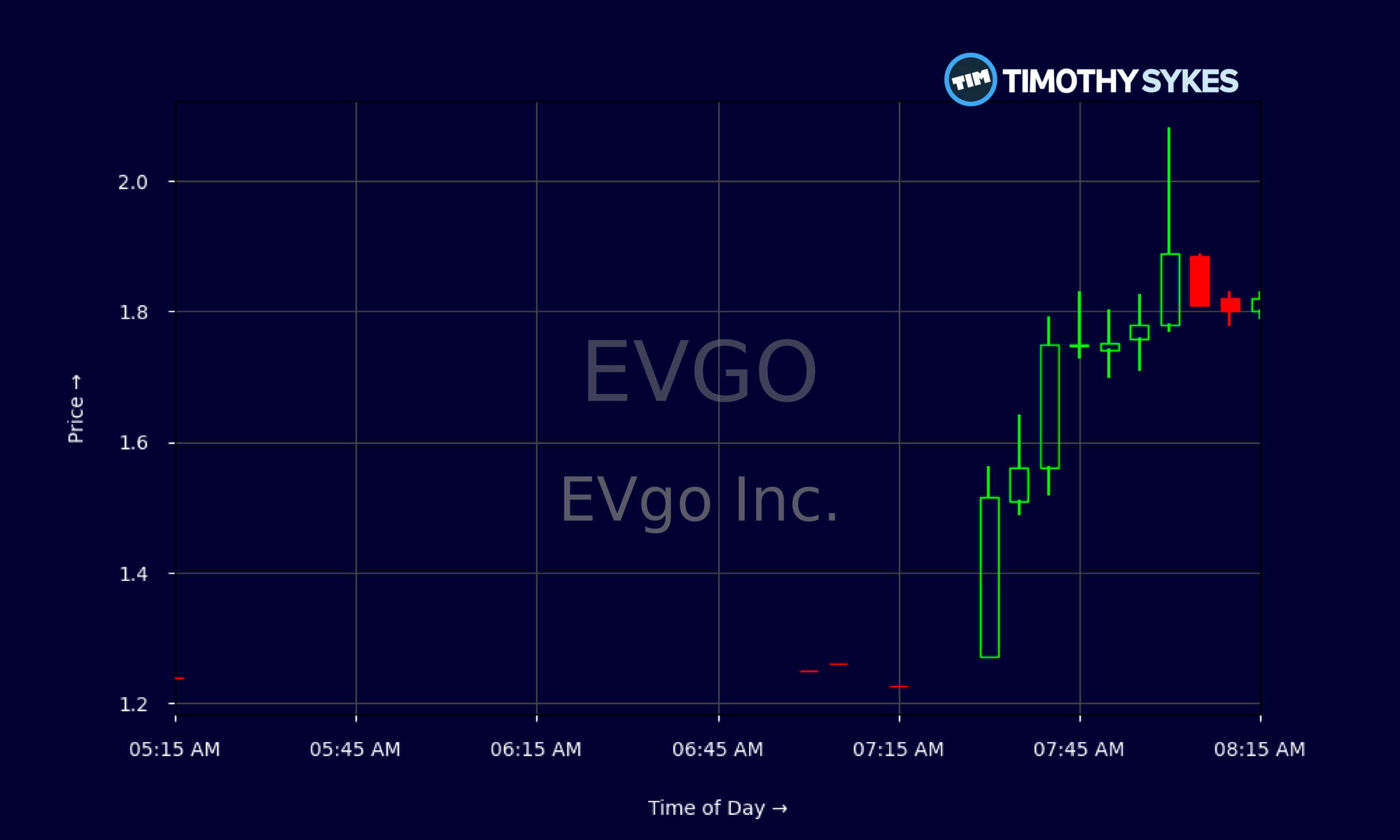
Live Update At 08:18:35 EST: On Monday, November 02, 2026 EVgo Inc. stock [NASDAQ: EVGO] is trending up by 45.24%! Discover the key drivers behind this movement as well as our expert analysis in the detailed breakdown below.
Quick Financial Overview
EVGO has spent the past few weeks grinding higher off penny‑stock style levels, with the daily chart showing a climb from roughly $1.02 on 2026/10/23 to $1.26 by 2026/10/30. That steady move, with higher lows from $1.02 to $1.06, then $1.18 and above, tells traders dip‑buyers are quietly supporting EVgo Inc. ahead of the next catalyst.
Intraday, EVGO’s 5‑minute data shows a classic momentum burst. The stock ripped from around $1.27 at 07:30 to over $2.00 at 08:00, before settling in the high $1.80s. That kind of 40%+ premarket surge followed by consolidation is exactly the volatility momentum traders hunt.
More Breaking News
Under the hood, EVgo is still a growth‑first story. Revenue of about $384.1M and three‑year growth above 85% show the top line ramping, but profitability is not here yet. EVGO is running EBIT margins near ‑27.9% and profit margins also negative, with EBITDA in the latest quarter at roughly ‑$16.5M and net income around ‑$20.8M. A current ratio of 2.2 and cash of about $197.7M give EVgo Inc. room to keep building chargers, but the negative free cash flow near ‑$40.3M reminds traders this is still a cash‑burn story that must be timed, not married.
Why Traders Are Watching EVGO Into Q3 Earnings
EVGO is sitting in a classic tension zone that experienced traders recognize: Wall Street is dialing back near‑term expectations while still arguing the long‑term story is intact. UBS cut its EVgo price target from $3 to $2, but backed that move with a reiterated Buy rating, calling out EVGO’s strong positioning in U.S. public fast‑charging infrastructure. That tells traders the model assumptions changed, not the core thesis.
RBC added another layer, lowering its EVgo target from $2.50 to $1.75 and labeling the stock Outperform with “speculative risk.” Translation for active traders: EVGO is now officially in the higher‑risk, higher‑reward bucket on some desks. Lower targets signal more downside if the story cracks, but an Outperform call says RBC still expects the stock to beat peers if execution holds.
Despite these cuts, the average Street stance on EVGO remains Overweight with a consensus target around $2.93. With EVgo Inc. trading near the low‑$1 range recently, that target implies meaningful upside on paper. For short‑term traders, the gap between price and target often becomes fuel. If Q3 numbers on 2026/11/09 show revenue traction from EVgo’s 1,200+ fast‑charging locations across 47 states, momentum traders will be ready to chase a squeeze. If the report disappoints, those same traders will be just as quick to hammer the downside. EVGO is not a sleepy utility; it is a sentiment battleground tied to EV charging hype and real‑world execution.
Conclusion
EVGO now sits at the crossroads of analyst caution and long‑term optimism. The cuts from UBS and RBC show the Street is adjusting its spreadsheets to reflect a tougher path, yet both firms still lean bullish on EVgo Inc. with Buy and Outperform ratings. The Overweight consensus and $2.93 average target line up with what the chart already hints at: traders still expect more action ahead.
The fundamentals back the idea of a developing, not mature, story. EVGO is growing revenue fast, burning cash, and building out one of the largest public fast‑charging networks in the U.S. The balance sheet has enough liquidity to keep funding that build, but negative margins mean every earnings date becomes a binary‑style catalyst. Q3 2026 results on 2026/11/09, plus the EVgo management webcast, will give traders fresh data on utilization, costs, and whether the path to scale is firming up.
For active traders in the Tim Sykes community, names like EVGO are tools, not trophies. As Tim Sykes likes to say, “I don’t fall in love with stocks, I trade patterns and catalysts.” That mindset is grounded in strict trading discipline; as millionaire penny stock trader and teacher Tim Sykes, says, “The goal is not to win every trade but to protect your capital and keep moving forward.”. Right now, EVgo Inc. offers both: a volatile chart, clear Wall Street expectations, and a near‑term earnings trigger that deserves a spot on every serious trader’s watchlist.
This is stock news, not investment advice. Timothy Sykes News delivers real-time stock market news focused on key catalysts driving short-term price movements. Our content is tailored for active traders and investors seeking to capitalize on rapid price fluctuations, particularly in volatile sectors like penny stocks. Readers come to us for detailed coverage on earnings reports, mergers, FDA approvals, new contracts, and unusual trading volumes that can trigger significant short-term price action. Some users utilize our news to explain sudden stock movements, while others rely on it for diligent research into potential investment opportunities.
Dive deeper into the world of trading with Timothy Sykes, renowned for his expertise in penny stocks. Explore his top picks and discover the strategies that have propelled him to success with these articles:
- Penny Stocks Trading Guide
- Best Penny Stocks Under $1 to Buy Today
- Top 8 Penny Stocks to Watch on Robinhood
Once you’ve got some stocks on watch, elevate your trading game with StocksToTrade the ultimate platform for traders. With specialized tools for swing and day trading, StocksToTrade will guide you through the market’s twists and turns.
Dig into StocksToTrade’s watchlists here:



Leave a reply