
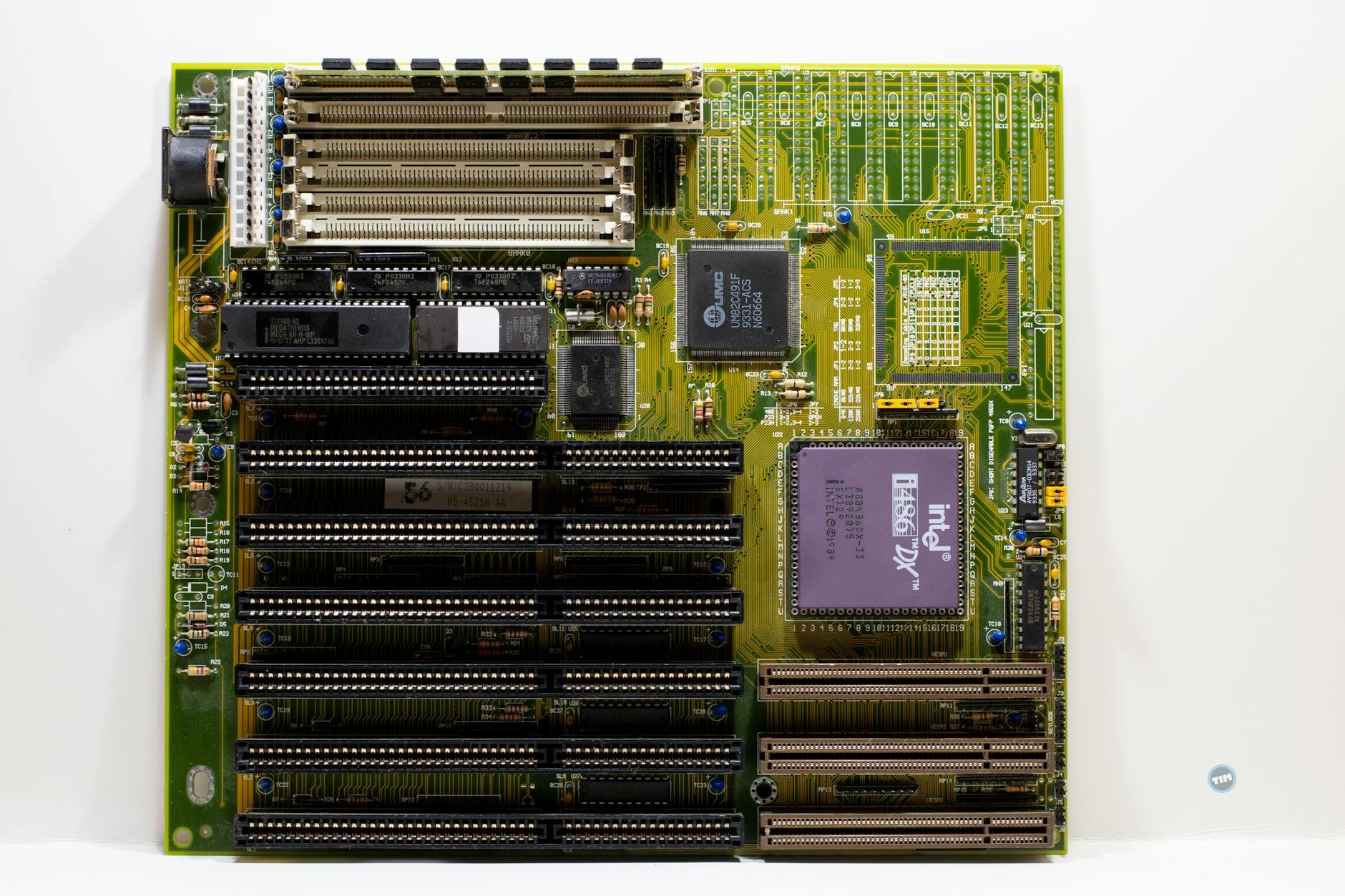
Intel Corporation stocks have been trading up by 3.81 percent amid heightened optimism over its latest AI chip advancements.
Key Takeaways Traders Need To Watch
- Street sentiment on INTC is shifting, with Mizuho and BNP Paribas lifting price targets into the $114–$125 range as AI demand and agentic models ramp.
- New GPU D-series and Xeon-based rack designs position Intel for power-efficient, open-standards AI data center workloads.
- Expanded Intel–Applied Materials alliances and the $5B EPIC Center lock INTC deeper into next-gen AI manufacturing and packaging R&D.
- Intel stays in Elon Musk’s Terafab project for cutting-edge chip capacity, calming fears it might be pushed aside by TSMC.
- Q3 2026 earnings on 2026/10/29 now become a key test of whether AI hype turns into real margins and cash flow for INTC.
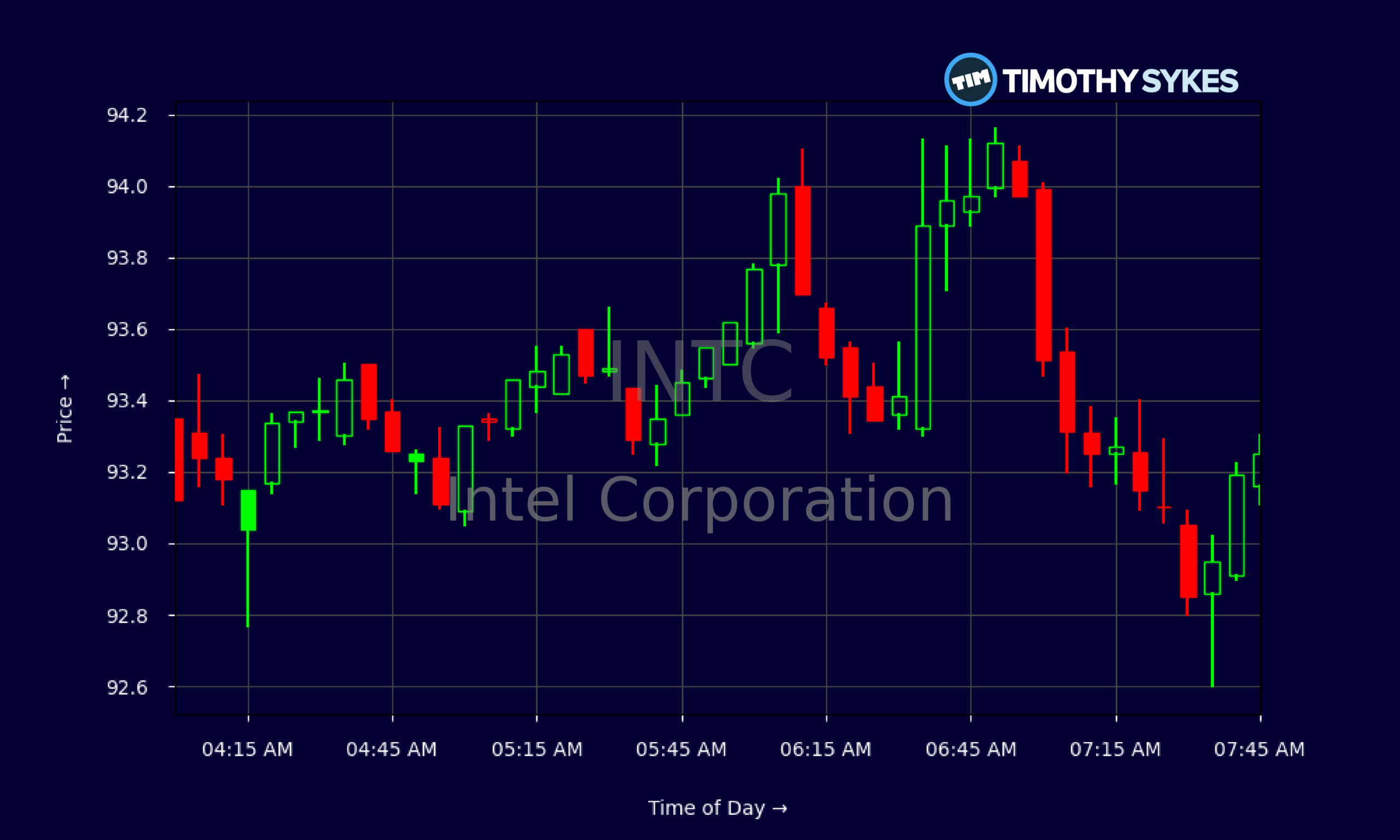
Live Update At 07:48:03 EDT: On Monday, October 19, 2026 Intel Corporation stock [NASDAQ: INTC] is trending up by 3.81%! Discover the key drivers behind this movement as well as our expert analysis in the detailed breakdown below.
Quick Financial Overview
INTC has been on a ride. From a recent high above $126 in late September, Intel shares have slid into the high-$80s, closing near $89.85 on 2026/10/16. That is a sharp pullback that tells traders momentum cooled fast after a huge year-to-date run.
Under the hood, Intel’s fundamentals are still in turnaround mode. The company posted about $52.85B in revenue over the last year, but profitability remains weak. Operating margins are thin and profit margins are negative, with return on equity and return on assets both in the red. That means INTC is still rebuilding, not printing effortless profits like in past cycles.
More Breaking News
At the same time, Intel’s balance sheet is not broken. A current ratio around 1.6 and total debt-to-equity near 0.6 show INTC has liquidity and manageable leverage. Free cash flow of roughly $4.45B last quarter is significant, even with heavy capex. For active traders, the message is clear: Intel is an AI and foundry recovery story priced for big expectations, but earnings are still catching up, which explains the recent volatility and sharp intraday swings around $93 in the 5‑minute tape.
Why Traders Are Watching INTC’s AI And Foundry Pivot
The real driver behind the latest INTC headlines is simple: AI data centers and manufacturing credibility.
Intel just laid out detailed plans for its “agentic AI” data center strategy, unveiling GPU D‑series (Crescent Island) accelerators and new Xeon-based rack designs. The pitch is open, heterogeneous infrastructure that runs AI inference at lower power and cost. For traders, this is Intel sending a message to Nvidia, AMD, and the hyperscalers: INTC wants a serious slice of the AI workload pie, not just legacy CPU sockets.
On top of that, Intel is going all‑in with Applied Materials. Multiple deals tie INTC into next‑gen transistor, interconnect, and Foveros 3D packaging R&D at both Intel’s Oregon campus and Applied’s new innovation center in Silicon Valley. Intel is also a founding partner in Applied’s $5B EPIC Center in Sunnyvale. These are not side projects. They are the plumbing for AI‑era manufacturing, and they matter for Intel Foundry’s attempt to catch TSMC and Samsung.
Traders are also watching Intel’s role in Elon Musk’s Terafab project. After earlier headlines raised doubts, Intel’s CEO confirmed INTC remains in the mix even as Musk talks to TSMC. The stock traded higher premarket on that clarification. Staying tied to Terafab keeps Intel visible in the “bleeding edge” narrative, which supports the re‑rating story.
Analysts are responding. Mizuho raised its INTC target from $92 to $114, and BNP Paribas went more aggressive, hiking to $125 from $75. Consensus now sits around $121 with an average Overweight rating. That is a big sentiment shift for a name that was left for dead a couple of years ago. But it also means the bar for execution is rising fast.
Conclusion
Put it together and INTC is a classic Sykes‑style battleground: huge run, real catalysts, real risk. On one side, you have Intel’s AI push with GPU D‑series, open agentic AI racks, and optimization of models like Muse Spark Open on Intel silicon. You also have deep manufacturing partnerships through the Applied Materials alliance, EPIC Center, and Terafab — all reinforcing the idea that Intel Foundry is back in the fight.
On the other side, the numbers still show a turnaround, not a finished product. Profitability is negative. Intel has pushed through 15%–20% price hikes across several CPU families, which might help margins but can pressure demand if customers push back. There is headline risk from the explosion at Intel’s Israel facility, where injuries are confirmed but operational impact is still unclear. And retail flows show Schwab clients have been net sellers, a hint that some are locking in those 200%+ gains and stepping aside.
The next big catalyst circle on every trader’s calendar is Intel’s Q3 2026 report after the close on 2026/10/29. Earnings will show whether AI and advanced-node demand, now boosting TSMC, is starting to drop to Intel’s bottom line. Until then, the chart tells you the truth: INTC is extended on a multi‑month basis and now pulling back toward prior breakout zones.
As Tim Sykes likes to say, “The market doesn’t care about your opinion, only about price action — react to what the chart says, not what you hope happens.” That ties directly into his risk‑first mindset: as millionaire penny stock trader and teacher Tim Sykes, says, “It’s better to go home at zero than to go home in the red.”. For active traders, that means study the INTC chart, track the AI and foundry headlines, and be ready to move — but always with a plan and tight risk control.
This is stock news, not investment advice. Timothy Sykes News delivers real-time stock market news focused on key catalysts driving short-term price movements. Our content is tailored for active traders and investors seeking to capitalize on rapid price fluctuations, particularly in volatile sectors like penny stocks. Readers come to us for detailed coverage on earnings reports, mergers, FDA approvals, new contracts, and unusual trading volumes that can trigger significant short-term price action. Some users utilize our news to explain sudden stock movements, while others rely on it for diligent research into potential investment opportunities.
Dive deeper into the world of trading with Timothy Sykes, renowned for his expertise in penny stocks. Explore his top picks and discover the strategies that have propelled him to success with these articles:
- Penny Stocks Trading Guide
- Best Penny Stocks Under $1 to Buy Today
- Top 8 Penny Stocks to Watch on Robinhood
Once you’ve got some stocks on watch, elevate your trading game with StocksToTrade the ultimate platform for traders. With specialized tools for swing and day trading, StocksToTrade will guide you through the market’s twists and turns.
Dig into StocksToTrade’s watchlists here:


Leave a reply