

FTC Solar Inc. stocks have been trading up by 20.0 percent after upbeat solar sector demand and policy support headlines
Key Takeaways Traders Need To Know
- U.S. solar manufacturers are nearing tandem panels that generate about 25% more energy, with FTC Solar (FTCI) cited as a potential beneficiary of growing advanced-module demand.
- The company amended its credit agreement, pushing a $5M principal payment out to 2027/03/31 and easing near‑term liquidity pressure.
- New covenants for cash and EBITDA do not kick in until early 2027, giving FTC Solar extra operational flexibility.
- Management scheduled its Q3 2026 earnings release and conference call, spotlighting FTCI’s tracker, software, and engineering platform.
- Multiple Form 4 filings show insider or major‑holder changes in FTCI ownership, though direction and size remain undisclosed.
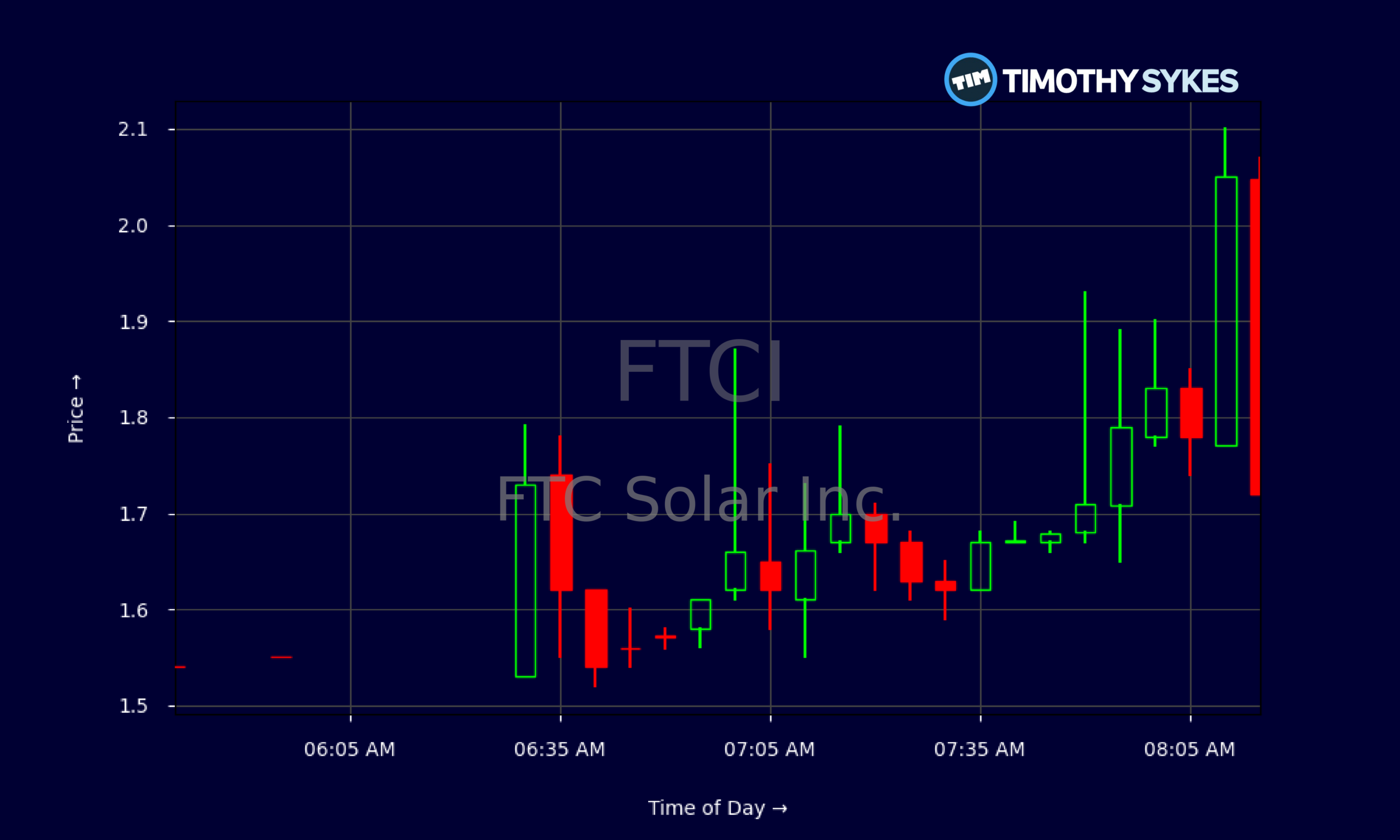
Live Update At 08:19:00 EST: On Wednesday, November 04, 2026 FTC Solar Inc. stock [NASDAQ: FTCI] is trending up by 20.0%! Discover the key drivers behind this movement as well as our expert analysis in the detailed breakdown below.
Quick Financial Overview
FTCI has been trading like a small‑cap rollercoaster. On the daily chart, the stock slid from around $1.94 to roughly $1.45 over the last couple of weeks, a clear downtrend with lower highs and lower lows. That tells traders sentiment has been weak, even before the latest headlines hit the tape.
Under the hood, FTC Solar is still fighting heavy losses. The latest quarterly report shows about $26.2M in revenue but a net loss of roughly $27.1M. Gross margin sits near 3%, so pricing power is thin and costs remain a serious drag. Profitability ratios are deep in the red, with EBIT margin around -38% and profit margin around -49%. For traders, that screams “turnaround story,” not stable compounder.
More Breaking News
Liquidity is tight as well. The current ratio is about 0.9 and the quick ratio around 0.6, meaning short‑term liabilities outweigh cash and near‑cash assets. At the same time, FTCI’s price‑to‑sales near 0.34 and low enterprise value suggest the market already discounts a lot of pain. Any hint of better execution, stronger orders, or margin progress can fuel sharp trading spikes — both up and down.
Why Traders Are Watching FTC Solar Now
FTCI has jumped back onto momentum screens thanks to a mix of macro tailwinds, financing relief, and odd insider signals. Start with the macro piece. A New York Times report says U.S. solar manufacturers are close to commercializing tandem solar panels that deliver about 25% more energy than standard modules. That kind of efficiency gain changes project math fast.
More power per panel means fewer panels, less land, and tighter engineering. It also means more value riding on tracker precision and system design. That’s where FTC Solar lives. FTCI builds solar tracker systems, software, and engineering services — the “balance of system” gear that keeps modules pointed correctly and projects producing. If tandem panels ramp, demand for high‑quality tracking solutions can rise alongside them, putting FTC Solar in the slipstream of that trend.
On the company‑specific side, the amended credit agreement is a big deal for short‑term trading. FTCI pushed a $5M principal payment all the way out to 2027/03/31 and won a suspension of financial covenants through the rest of 2026. New, looser cash and EBITDA covenants only start in early 2027. Translation for traders: the lenders just bought management time.
This doesn’t erase the balance‑sheet stress, but it pushes the “wall” further out and reduces near‑term default risk. That alone can shift how momentum traders treat the stock — from “possible blow‑up” to “speculative turnaround with runway.” Add in multiple Form 4 filings showing insider or major‑holder activity in FTCI — even without clear buy/sell details — and you get another catalyst for day traders watching volume and tape action.
Finally, the coming Q3 2026 earnings release and conference call loom as the next major catalyst. FTC Solar will have to show how it’s using this breathing room: chasing higher‑margin projects, riding tandem‑panel demand, or tightening costs. Whatever management says there will likely drive the next big leg in FTCI, up or down.
Conclusion
FTCI sits in a classic high‑risk, high‑volatility zone that experienced traders know well. The charts show recent weakness, the income statement is still bleeding, and liquidity has been a constant question mark. Yet the news flow around FTC Solar has shifted the setup. The amended credit agreement gives the company a longer runway, while sector‑wide excitement over tandem solar panels puts fresh attention on trackers, software, and system engineering — exactly where FTC Solar operates.
For active traders, that mix creates opportunity, not comfort. FTCI can squeeze hard on any whiff of improved margins, bigger orders, or a stronger outlook on the upcoming Q3 2026 call. It can also unwind fast if the numbers or guidance disappoint, or if the balance‑sheet story weakens again. The cluster of Form 4 filings is another reminder to keep an eye on insider flows, even if these particular disclosures are light on detail.
As Tim Sykes likes to hammer home, “The biggest edge you’ll ever have is preparation — studying patterns, knowing the catalysts, and planning every trade before you click the button.” As millionaire penny stock trader and teacher Tim Sykes says, “It’s better to go home at zero than to go home in the red.”. FTC Solar fits that mindset perfectly. FTCI demands a plan, strict risk control, and respect for both the technology upside and the financial reality — all for educational and research purposes only, never as trading advice.
This is stock news, not investment advice. Timothy Sykes News delivers real-time stock market news focused on key catalysts driving short-term price movements. Our content is tailored for active traders and investors seeking to capitalize on rapid price fluctuations, particularly in volatile sectors like penny stocks. Readers come to us for detailed coverage on earnings reports, mergers, FDA approvals, new contracts, and unusual trading volumes that can trigger significant short-term price action. Some users utilize our news to explain sudden stock movements, while others rely on it for diligent research into potential investment opportunities.
Dive deeper into the world of trading with Timothy Sykes, renowned for his expertise in penny stocks. Explore his top picks and discover the strategies that have propelled him to success with these articles:
- Penny Stocks Trading Guide
- Best Penny Stocks Under $1 to Buy Today
- Top 8 Penny Stocks to Watch on Robinhood
Once you’ve got some stocks on watch, elevate your trading game with StocksToTrade the ultimate platform for traders. With specialized tools for swing and day trading, StocksToTrade will guide you through the market’s twists and turns.
Dig into StocksToTrade’s watchlists here:





Leave a reply