
GMEX ROBOTICS CORPORATION stocks have been trading down by -22.73 percent following reports of major contract losses and guidance cuts.
Key Takeaways
- GMEX has swung from $3+ to nearly $1 in recent weeks, creating a high‑volatility playground for active traders.
- Daily GMEX ROBOTICS CORPORATION charts show sharp spikes followed by heavy pullbacks, a classic momentum-and-fade pattern.
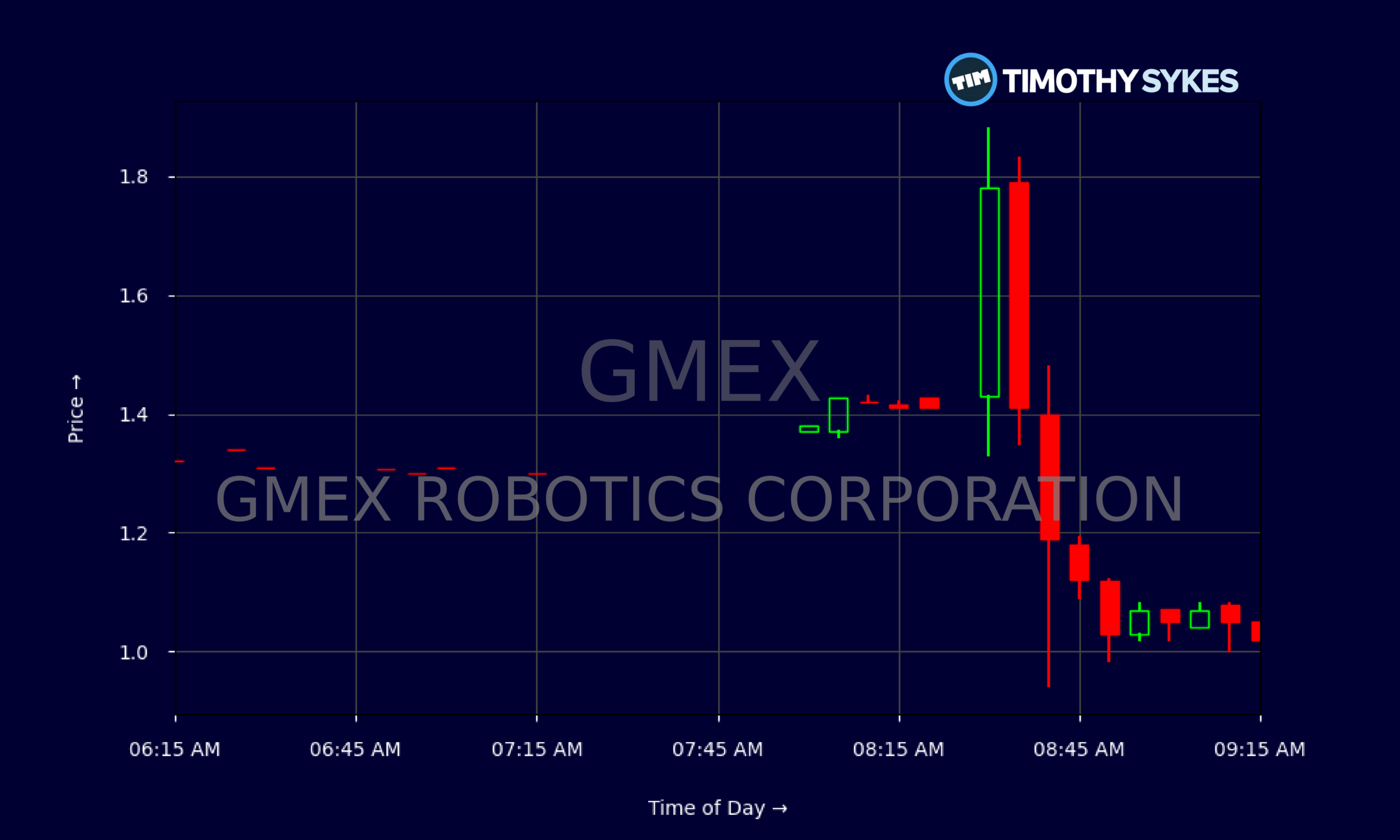
- The latest intraday tape shows big wicks and wide ranges, signaling aggressive day trading in GMEX.
- GMEX holds over $2.8M in cash against relatively modest liabilities, giving the company room to operate.
- With price trading far below book value, GMEX is on many watchlists for potential mean-reversion trades.
Live Update At 09:19:03 EDT: On Tuesday, October 20, 2026 GMEX ROBOTICS CORPORATION stock [NASDAQ: GMEX] is trending down by -22.73%! Discover the key drivers behind this movement as well as our expert analysis in the detailed breakdown below.
Quick Financial Overview
GMEX ROBOTICS CORPORATION is a tiny robotics name, but its financial snapshot gives traders some useful clues. Revenue sits around $5.2M, so we’re talking about a micro‑cap story, not a blue chip. At recent prices near $1–$1.30, GMEX trades at roughly 0.25 times sales. In plain English, the market values the whole company at about one quarter of its annual revenue. That’s cheap on paper, but cheap stocks get cheaper all the time, so traders need to treat that as a data point, not a reason to buy.
The balance sheet is surprisingly solid for a small robotics play. GMEX shows roughly $2.9M in cash and short‑term investments, with total assets around $11.4M and total liabilities just over $2.2M. That leaves stockholders’ equity near $9.2M and working capital above $7.4M, which means GMEX has some runway to keep building the business.
More Breaking News
Book value per share clocks in around $12.21, while GMEX trades at a tiny fraction of that. For traders, that huge discount tells you sentiment is weak, but any real shift in expectations can fuel violent re-ratings.
Why Traders Are Watching GMEX Price Action
GMEX has become a textbook case of why traders love volatile small caps. On 2025/09/25, GMEX closed near $0.37. Within just a few sessions, the stock exploded to intraday highs above $3.50 before rolling over. That’s a massive multi‑bagger move followed by a deep fade, exactly the kind of pattern day traders and swing traders scan for every morning.
From there, GMEX ROBOTICS CORPORATION started a steady slide. Closes stepped down from $3.24, to $3.17, then $2.76, then into the mid‑$2s, finally landing near $1.14–$1.32 on the most recent days. Every bounce has been sold, which tells you the dominant trend is down, but the path is anything but smooth. These wild swings come from a tight float, heavy speculative trading, and stop‑loss cascades both directions.
The intraday 5‑minute chart backs this up. GMEX opened the premarket around $1.30–$1.40, ripped to $1.83, then flushed under $1.00 in less than an hour. Later, it bounced back into the $1.40s before settling closer to $1.02–$1.12. Those are monster ranges for a $1 stock.
For day traders, GMEX is all about respecting risk. The same move that turns a small account quickly can also wipe it out if you chase without a plan. GMEX ROBOTICS CORPORATION is showing classic “hot potato” action: momentum in, profit‑taking out, repeated all day.
Conclusion
GMEX ROBOTICS CORPORATION sits at the intersection of messy price action and surprisingly sturdy balance sheet metrics. Revenue is modest, but GMEX carries more than $2.8M in cash, over $11M in total assets, and limited long‑term debt. On paper, that gives GMEX some breathing room, even as the market prices the stock at a huge discount to its stated book value.
For traders, none of that replaces a trading plan. The daily and intraday charts show GMEX moving like a roller coaster with loose bolts. The run from under $0.40 to above $3.50, then the hard fade back toward $1, is a masterclass in why you never marry a small‑cap robotics name. You ride the momentum, then step aside when it cracks.
GMEX is likely to stay on watchlists as long as the ranges stay wide and liquidity holds up. The key edge comes from preparation: mapping key levels, sizing small, and cutting losses fast when the pattern fails. As millionaire penny stock trader and teacher Tim Sykes, says, “Small gains add up over time; focus on building wealth gradually, not chasing jackpots.”. As Tim Sykes likes to say, “You’re not a trader because you win big — you’re a trader because you take small losses over and over and still come back the next day.” GMEX ROBOTICS CORPORATION is the kind of ticker where that mindset matters more than ever.
This is stock news, not investment advice. Timothy Sykes News delivers real-time stock market news focused on key catalysts driving short-term price movements. Our content is tailored for active traders and investors seeking to capitalize on rapid price fluctuations, particularly in volatile sectors like penny stocks. Readers come to us for detailed coverage on earnings reports, mergers, FDA approvals, new contracts, and unusual trading volumes that can trigger significant short-term price action. Some users utilize our news to explain sudden stock movements, while others rely on it for diligent research into potential investment opportunities.
Dive deeper into the world of trading with Timothy Sykes, renowned for his expertise in penny stocks. Explore his top picks and discover the strategies that have propelled him to success with these articles:
- Penny Stocks Trading Guide
- Best Penny Stocks Under $1 to Buy Today
- Top 8 Penny Stocks to Watch on Robinhood
Once you’ve got some stocks on watch, elevate your trading game with StocksToTrade the ultimate platform for traders. With specialized tools for swing and day trading, StocksToTrade will guide you through the market’s twists and turns.
Dig into StocksToTrade’s watchlists here:





Leave a reply